Reviewed · TOURS IN REYKJAVIK
13-Day Iceland Geology Adventure Guided Tour from Reykjavík
Iceland makes more sense when someone explains what you are seeing. This 13-day tour follows the island’s volcanic and glacial story, from the split between the North American and Eurasian plates to fresh lava, glacier ice, and waterfalls cut through basalt. Dr. Tamie Jovanelly leads the trip with Joe Cook, bringing field experience and a published guidebook to places that can otherwise blur into one long parade of pretty views.
I especially like two things here: the small maximum of 16 people, which should make questions and field stops manageable, and the fact that listed excursion fees are included. The glacier hike, lava cave, museums, Blue Lagoon, and other paid activities are not left for you to arrange separately. The main caution is the price, $9,200 per person, and the active pace. You should also confirm exactly what lodging and meals are included, since those details are not specified.
Key points to know
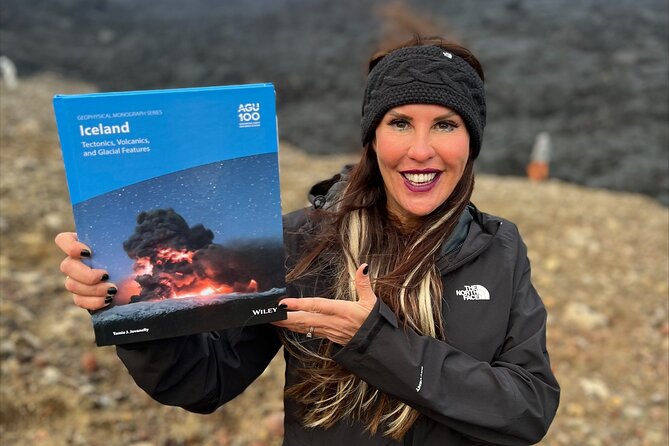
- A geology-led route around Iceland: Dr. Jovanelly has researched Iceland since 2006 and uses her book, Iceland: Tectonics, Volcanics, and Glacial Features, as a field guide.
- A maximum of 16 people: This is small enough for a more personal learning experience than a large coach tour.
- Real hands-on outings: The program includes a three-hour glacier tour, a lava cave visit, guided time among Dimmuborgir’s formations, and volcanic field stops.
- The full Iceland circuit: You visit Reykjavík, the Golden Circle, the south coast, the east and north, Akureyri, and the Snæfellsnes Peninsula.
- Paid excursions are included: The Blue Lagoon, Hellisheidi Power Plant, glacier hike, boat outing at Fjallsárlón, Dimmuborgir tour, Lava Cave, and Snæfellsjökull National Park are listed as included.
- Not just for geology majors: The teaching is designed to make plate tectonics, volcanoes, glaciers, and geothermal power understandable without a science background.
Why this Iceland tour feels different
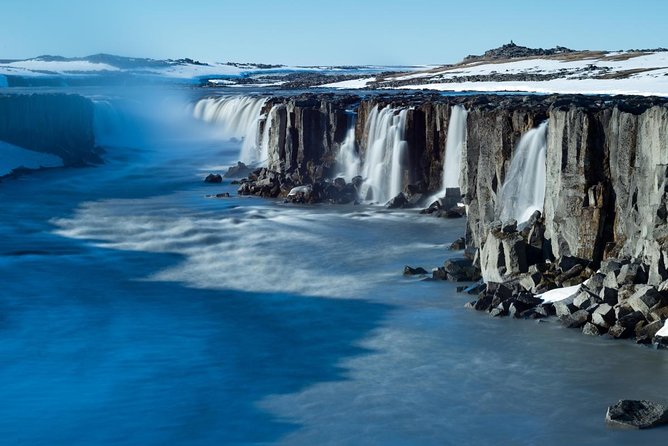
Most Iceland tours point you toward the next waterfall. This one asks you to look at the rock beneath it. At Thingvellir, you learn how the land is opening between two tectonic plates. At Dettifoss, columnar basalt gives the waterfall a harder geological edge. At Jökulsárlón, floating ice becomes a lesson in glacial change.
That approach gives the trip a clear thread. You are not simply ticking off famous stops. You are watching Iceland form itself, one volcanic crater, lava tube, glacier, and fissure at a time.
Dr. Jovanelly’s academic background is useful here, but the trip does not require a geology degree. The morning lectures described in the trip feedback are an important part of the experience. They give you enough background to understand the day ahead, then the stops put that lesson in front of you.
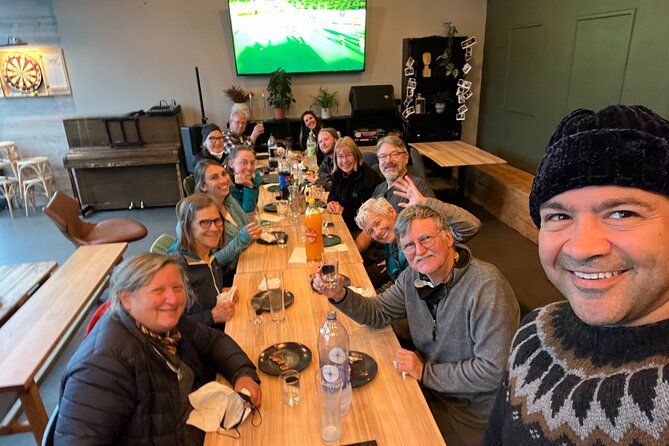
Joe Cook, often called Joey, shares the guiding role. The pair are described as friendly, funny, and highly involved in the group experience. That matters on a 13-day tour. You will spend a lot of time together, so a relaxed guide team is not a small detail.
A few more things to do in Reykjavik worth a look
- Reykjavik: Whale Watching Tour with Expert Guide
★ 4.2 · 2,307 reviews - The Golden Circle Guided Bus Tour from Reykjavik
★ 4.5 · 1,726 reviews - From Reykjavik: Best of Golden Circle Guided Tour
★ 4.8 · 1,646 reviews
Days 1 and 2: Reykjavík, warm water, and fresh volcanic ground
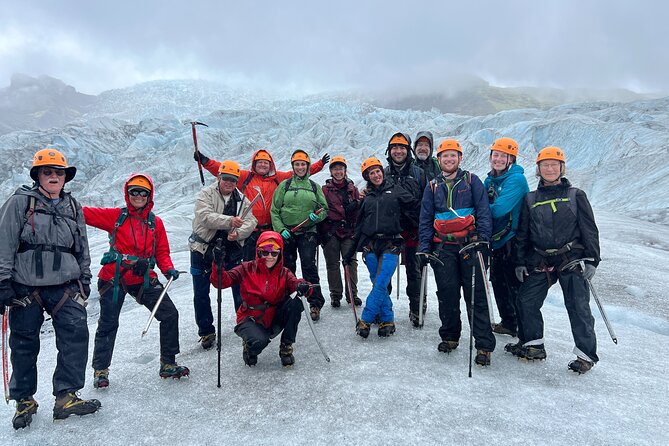
The tour begins in Reykjavík, with time to explore before the first meet-and-greet and group dinner. This opening is fairly light, which is sensible after an international flight. You can get oriented, meet the group, and avoid beginning with a rushed full-day outing.
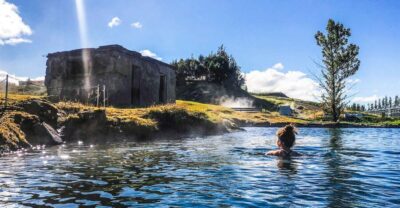
Day 2 starts with the Blue Lagoon. You have about three hours to relax and adjust to jet lag. The timing gives you an easy first experience of Iceland’s geothermal character, though it is also one of the island’s most popular attractions. If you prefer remote hot pools and quiet, this will feel polished and organized rather than wild.
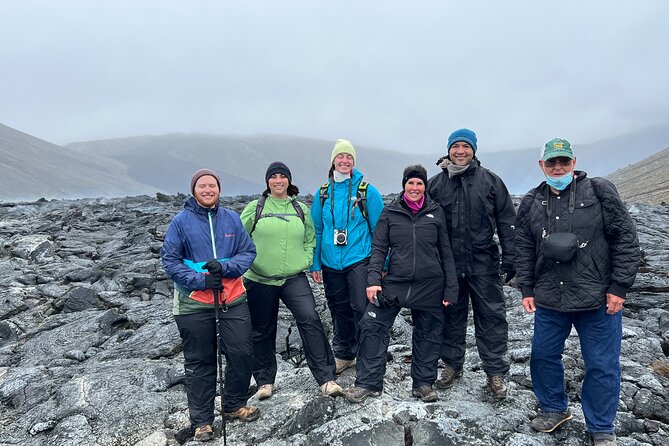
The afternoon turns to Fagradalsfjall, an area associated with some of Iceland’s most recent volcanic activity. The listed visit lasts about an hour, so expect a focused look rather than a long expedition. Seeing recent volcanic ground early in the trip helps set the tone: Iceland is not only a place shaped by ancient eruptions. Its volcanic story is still active.
Day 3: Geothermal power and the meeting of two plates
At Hellisheidi, you visit a geothermal power plant for about two hours. This is one of the most useful stops for understanding modern Iceland. Geothermal energy is not just a scenic side effect of volcanic activity here. It is part of the country’s power system, and the visit also covers carbon capture projects.
Next comes the Bridge Between Continents, a visual marker of the separation between the North American and Eurasian plates. The site is simple, but the idea is enormous. You are standing in a place where a global geological process becomes easy to picture.
Stampar adds a scoria crater field to the day. Scoria, the rough, cindery material thrown from a volcanic vent, looks quite different from the broad lava fields you see elsewhere. The stop is short, about 30 minutes, so listen closely and use the time well.
The itinerary also includes a large, deep lake sitting along a fissure, though the schedule does not name it. That missing name is worth confirming before departure. You may want to know where it fits into the day and how much time is allowed there.
Day 4: The Golden Circle with a geological explanation
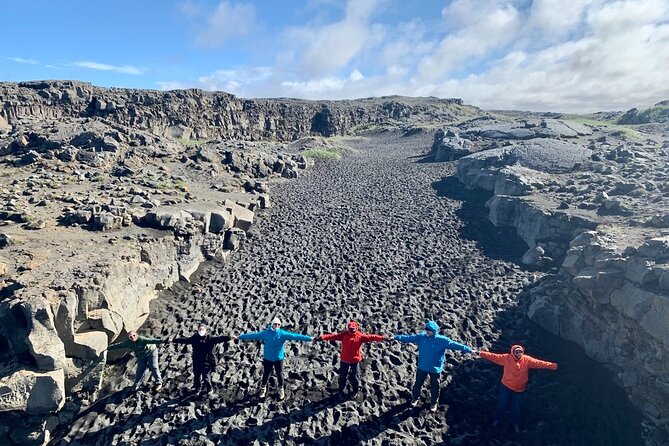
Thingvellir National Park is the day’s anchor. It is famous for Icelandic parliamentary history, but this tour gives equal weight to the tectonic setting. You learn how the plates are spreading apart and how that shifting ground affected Viking settlement.
I like the way this connects earth science with human history. The fissures are not just cracks in rock. They helped shape where people gathered, traveled, and governed.
Gullfoss follows, with about an hour at one of Europe’s major waterfalls. The scale is impressive, but the geological context makes the stop more satisfying. Water, erosion, and layered volcanic rock are all visible in the falls and gorge.
At Geysir, you spend another hour around boiling hot spots and geothermal features. The area can feel crowded, and the stop has a well-worn sightseeing rhythm. Still, it belongs on this route because it shows the heat below Iceland in a direct, dramatic way.
Same base, a different kind of day out:
- Reykjavik: Golden Circle Full-Day Tour with Kerid Crater
★ 4.8 · 24,485 reviews - Reykjavik Food Walk – Local Foodie Adventure in Iceland
★ 5.0 · 18,952 reviews - Iceland: Northern Lights Bus Tour from Reykjavik
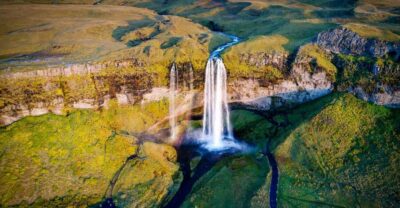
★ 4.1 · 11,161 reviews - Reykjavík: South Coast Waterfalls, Black Sand & Glacier Tour
★ 4.8 · 11,030 reviews
Day 5: Hekla and the story of explosive eruptions
The Lava Centre introduces volcanology through an interactive museum. The itinerary lists two minutes for this stop, which is almost certainly a scheduling error or an extremely abbreviated visit. I would ask the operator to clarify the intended duration before booking, since an interactive museum normally needs more than a quick doorway look.
The main outdoor focus is Hekla, one of Iceland’s historically active volcanoes. You stop in its shadow and learn about its recent activity. Hekla is a good reminder that Iceland’s volcanoes are not all the same. Some have broad lava fields, while others have a more explosive reputation.
This day should appeal to anyone who likes the connection between visible scenery and unseen forces. It is less about a long hike and more about building a working understanding of Icelandic volcanism.
Day 6: A glacier hike followed by wine and cheese
The glacier day is one of the clearest reasons this tour is more active than a standard sightseeing circuit. At Skaftafell National Park, you take a guided three-hour hike on a glacier. The excursion fee is included, and the total stop is listed at about four hours.
You should take this seriously when deciding if the tour suits you. The program says most people can participate, but a three-hour glacier outing still means walking on uneven, cold, changing ground. Good weather is also required for the overall experience, and conditions can affect outdoor plans.
Afterward, the guides arrange a wine and cheese reception. It is a small but smart touch. A shared meal or drink after a physical outing gives the group time to relax and talk, rather than rushing straight back into the vehicle.
Day 7: Icebergs at Fjallsárlón, Diamond Beach, and Jökulsárlón
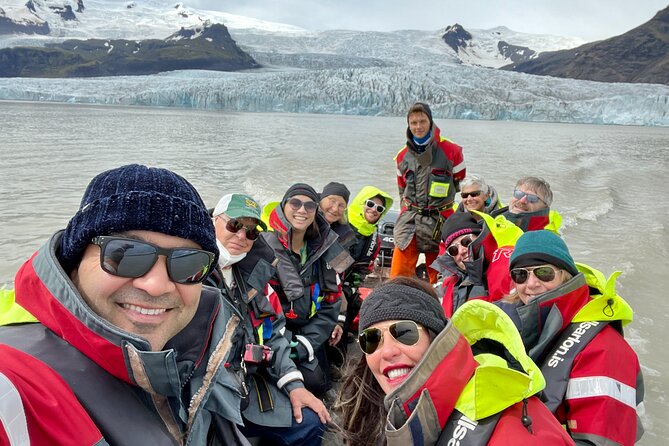
The ice lagoon day is packed with memorable stops. At Fjallsárlón, you see the glacier from the water, with about two hours set aside for the included excursion. The change in viewpoint matters. From the shore, a glacier can look like a distant wall. From the lagoon, ice becomes an active part of the scene.
Diamond Beach offers a different view of that ice. Pieces of iceberg wash onto the black sand before heading out to sea. The contrast is stark, and you have about two hours to take it in.
Jökulsárlón adds floating icebergs, possible seal viewing, birding, and food vendors. The schedule specifically mentions hot dogs, which is useful practical advice on a long touring day. You have about two hours here, and the stop gives you room to explore at your own pace.
These places are among Iceland’s most photographed sights, so you will not have them to yourself. The value of the guided visit is not solitude. It is having someone explain how glacier ice reaches the lagoon, breaks apart, and moves toward the coast.
Day 8: Dettifoss and the raw power of basalt
Dettifoss is the only listed stop on Day 8, with about two hours at the waterfall. That slower structure is welcome after the busy ice-lagoon day.
The waterfall exposes columnar basalt, a volcanic rock that often breaks into geometric columns as it cools. Here, the water is the obvious spectacle, but the rock gives Dr. Jovanelly a useful teaching surface. You can see how an immense flow of water interacts with volcanic material.
A single major stop may also mean a long driving day, but the supplied schedule does not give travel times. Ask about the day’s road hours if you are sensitive to long stretches in a vehicle.
Day 9: Craters, pseudo-craters, and Dimmuborgir
Hverfjall is a large explosion crater and one of the day’s strongest geological sights. The visit lasts about an hour. Its broad, stark form gives you a clear look at what happens when volcanic activity interacts with water and sediment.
At Skútustaðagígar, you learn about pseudo-craters and their effect on Viking life. These formations look volcanic but were not made by a conventional eruptive vent. This is exactly the kind of place that benefits from an expert explanation, since the appearance alone can mislead you.
Dimmuborgir brings two hours among striking lava formations, with a guided visit included. The origin of some of these shapes is debated, which makes the stop more interesting than a simple walk through unusual rocks. You get scenery, a scientific question, and a chance to compare this area with the lava fields seen earlier.
Day 10: A free day in Akureyri
Akureyri is your flexible day. You can rest, shop, go whale watching, try birding, or simply enjoy the town. The itinerary lists one hour for the organized visit, so the free time appears to be the main point.
This break is important. Thirteen days of early starts, lectures, walks, and changing scenery can wear you down. A day with choices lets you set your own pace, though optional activities such as whale watching are not identified as included. Ask what, if anything, is arranged by the tour.
Days 11 and 12: Glaciers, art, and a lava tube
In Stykkishólmur, you visit an art installation at the Water Museum that honors glaciers, past and present. This gives the itinerary a cultural pause after several days focused on rock and ice in the open air. It also connects geology with change over time and the human response to a warming world.
Day 12 explores the Snæfellsnes Peninsula. Clear weather can reveal the stratovolcano, so conditions will shape what you see. The stop is listed at two hours, giving you time to take in the mountain and surrounding area without treating it as a quick roadside photo.
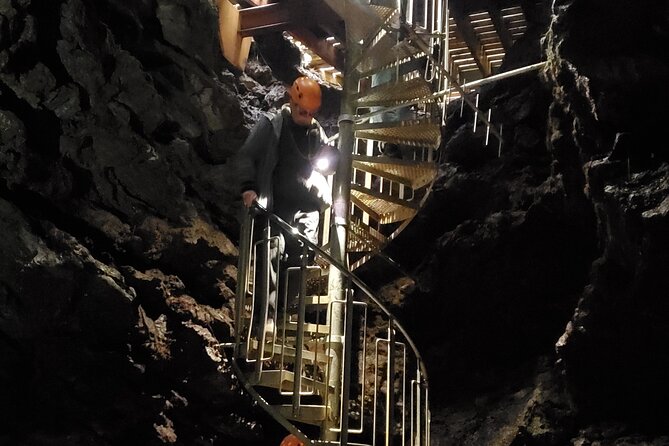
Vatnshellir Lava Cave is one of the trip’s most active outings. You spend about two hours exploring a lava tube and learning how such passages form. A cave visit adds a useful underground chapter to the trip. Instead of seeing only the hardened surface of a lava flow, you enter the route molten rock once took beneath it.
The final stop is Snæfellsjökull National Park and Glacier, with admission included and about two hours scheduled. This is a strong closing area because it brings together volcano, glacier, protected land, and clear-weather views.
What $9,200 buys you
At $9,200 per person, this is a premium trip. Its value depends on how much you want expert instruction and active outings rather than simply transport between famous sights.
The price includes the listed excursion fees, which can add up quickly in Iceland. You are also paying for Dr. Jovanelly’s long experience researching the country, her field-guide approach, the small group size, and a carefully linked route around the island.
But do not assume the price covers every part of your holiday. The supplied details do not specify lodging, most meals, airfare, optional activities in Akureyri, or personal spending. Get a written breakdown before committing. The non-refundable policy also makes travel insurance sensible, especially because the tour requires a minimum number of people and suitable weather.
Who should book this trip?
I would choose this tour if you want Iceland explained, not just photographed. It fits geology students, science teachers, lifelong learners, and curious first-time visitors who like asking why a place looks the way it does.
You do not need a science background. The itinerary also includes famous waterfalls, hot pools, ice lagoons, towns, museums, and cultural touches, so you are not signing up for thirteen days of technical lectures.
I would think twice if you want a slow luxury holiday, dislike group travel, or prefer to make every day your own. The route is broad, the schedule is active, and the glacier hike and lava cave require a willingness to get outside. The group cap of 16 helps, but it does not turn a guided tour into a private trip.
Should you book the Iceland Geology Adventure?
Book it if the idea of standing between tectonic plates, walking on a glacier, entering a lava tube, and understanding the science behind Iceland’s famous sights sounds better than simply collecting photographs. The combination of Dr. Jovanelly’s field teaching, Joe Cook’s shared leadership, included excursions, and a small group is unusual.
Before paying, confirm the lodging and meal arrangements, clarify the two-minute Lava Centre entry, ask about travel time between stops, and make sure the glacier outing suits your fitness level. If those points work for you, this is a serious, high-cost learning trip with plenty of real adventure built in.
FAQ
How long is the Iceland Geology Adventure Tour?
The tour lasts approximately 13 days and begins and ends in Reykjavík.
Where does the tour start?
The meeting point is Gistiheimilið Sunna, Þórsgata 26, 101 Reykjavík, Iceland. The stated start time is 7:00 am.
Where does the tour end?
The activity ends back at the original meeting point in Reykjavík.
How many people can join the tour?
The group has a maximum of 16 participants.
Do I need a geology background?
No. The tour is designed for people interested in Iceland’s geology, but a formal geology background is not required.
Is the glacier hike included?
Yes. A guided three-hour glacier tour at Skaftafell National Park is listed as included.
Are the other excursion fees included?
The listed included activities include the Blue Lagoon, Hellisheidi Power Plant, Bridge Between Continents, the Skaftafell glacier tour, Fjallsárlón, Dimmuborgir, Vatnshellir Lava Cave, and Snæfellsjökull National Park.
What happens if bad weather cancels the tour?
If poor weather causes cancellation, you are offered a different date or a full refund. If the minimum number of participants is not reached, you are offered a different date or experience, or a full refund. Otherwise, the experience is non-refundable and cannot be changed.
Just added in Reykjavik
- Reykjavik: Whale and Puffin Watching RIB Boat Tour★ 4.6 · 179 reviews
- Reykjavik: Whale Watching Express★ 4.3 · 227 reviews
- Reykjavik: Whale Watching & Lava Show★ 5.0 · 4 reviews
- Reykjavik: Whale & Marine Adventure Tour★ 4.3 · 71 reviews
- From Reykjavík: Viking Horseback Tour in Hafnarfjörður★ 4.9 · 112 reviews
- Reykjavík: Horse Riding Tours★ 4.9 · 127 reviews
- Luxury Private Transfer from Reykjavik to Keflavik Airport★ 5.0 · 9 reviews
- Whales Of Iceland Admission Ticket★ 4.0 · 239 reviews
Tours in Reykjavik, compared.
Golden Circle Full-Day Tour with Kerid Crater
Read our review →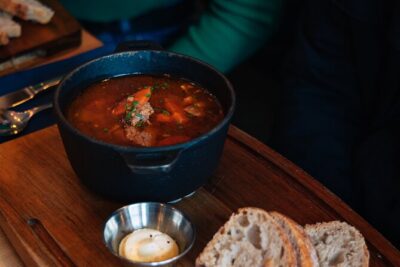
Reykjavik Food Walk – Local Foodie Adventure in Iceland
Read our review →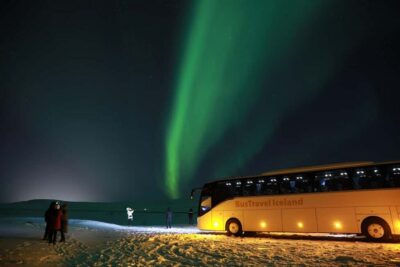
South Coast Waterfalls, Black Sand & Glacier Tour
Read our review →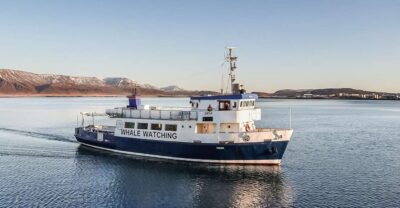
Sky Lagoon Entrance Pass With 7-Step Spa Ritual
Read our review →