
Reviewed · KEFLAVIK AIRPORT TRANSFERS
From Reykjavik: Reykjanes Geopark Tour & Airport Transfer
The Reykjanes Peninsula packs Iceland’s big geological story into one hard-working day: hot ground, crater lakes, fresh lava, sea cliffs, and a lighthouse at the edge of the Atlantic. The best part is the contrast. You can stand beside calm Kleifarvatn Lake in the morning, then watch mud boil and steam roar from the earth later on.
I like the small-group minibus and the guides’ personal touch. Guides such as Trond, Gummi, Jakob, Ian, and Starri have been singled out for clear explanations, humor, and local stories. I also like the route’s airport usefulness: you can finish the tour with an optional drop-off at Keflavík International Airport or the Blue Lagoon.
The main caution is volcanic activity. Roads near Grindavík can close with little warning, and the route may change. In November 2023, the lighthouse, cliffs, bridge, and Grindavík stop were unavailable because of safety concerns. The tour remains worthwhile, but you should treat the exact itinerary as weather and volcano dependent.
Key points at a glance
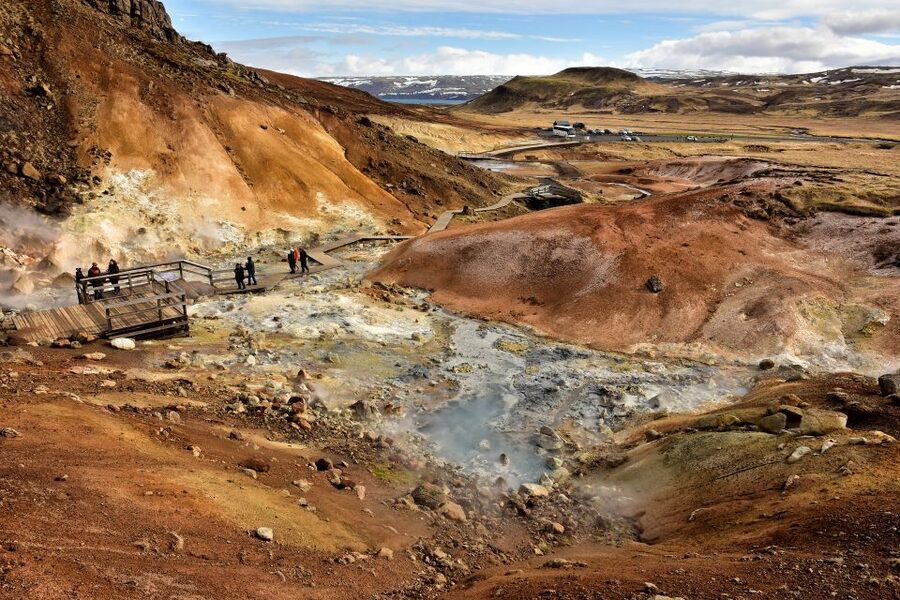
- Seltún’s steaming ground: Walk among orange, yellow, and gray earth, bubbling pools, fumaroles, and hot springs at Krýsuvík.
- Fresh lava near Grindavík: See the raw edge of Iceland’s recent volcanic activity, though access depends on current safety rules.
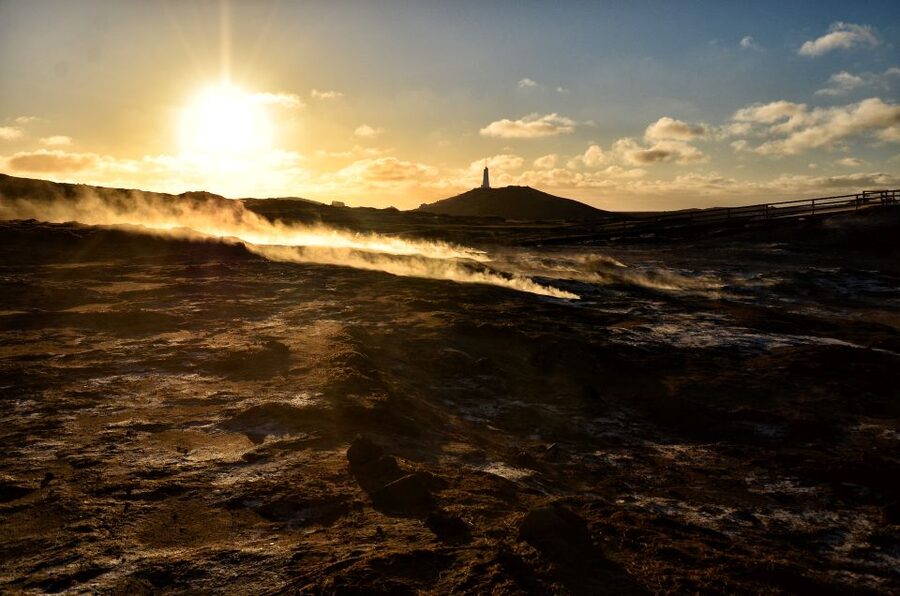
- Reykjanesviti and Valahnúkur: Take in a lighthouse, ocean views, and bird cliffs along the peninsula’s rough southwest coast.
- A useful final-day plan: The tour runs about seven hours and can include an airport or Blue Lagoon drop-off.
- Real small-group feel: Groups range from 5 to 17 people, with a climate-controlled minibus rather than a large coach.
- Flexible pacing: The guide may adjust stops when roads close, and some guides have allowed extra time at especially good viewpoints.
Why Reykjanes is such a good half-day target
Many visitors first meet Iceland through waterfalls, glaciers, and black-sand beaches. Reykjanes offers a different introduction. This peninsula is a working geological zone, where underground heat, volcanic craters, earthquake activity, and the meeting of tectonic plates are easy to see.
You do not need to be a geology expert to enjoy it. The guide explains what you are looking at while you move between stops. The changing colors and smells do much of the teaching. Sulfur hangs in the air around the hot springs. Steam rises from cracks in the ground. The earth looks baked, folded, and freshly disturbed.
At $159 per person, this is not the cheapest way to spend seven hours around Reykjavik. A large bus excursion may cost less. The value comes from the combination of a local guide, a small vehicle, hotel pickup, longer stops than a quick photo tour, and the optional airport transfer. If you are finishing an Iceland trip and need to reach Keflavík, the price can make more sense than paying for a separate sightseeing trip and airport ride.
Other airport runs to and from Reykjavik:
- Iceland: Airport Transfers between Keflavík and Reykjavik Center
★ 4.5 · 2,485 reviews - Airport Transfer in Iceland from Keflavik Airport to Reykjavik City With Hotel Drop Off
★ 4.0 · 464 reviews - Airport Express Shared Departure Transfer from Reykjavik Hotels to Keflavik Airport
★ 4.0 · 386 reviews
Pickup in Reykjavik and the road south
Pickup is offered from a long list of Reykjavik hotels, guesthouses, apartments, bus stops, the cruise port, and Reykjavik Airport. If your accommodation sits in an area where tour buses cannot enter, you will be directed to a nearby designated stop.
Be ready outside by 9:00 AM. The pickup window runs from 9:00 to 9:30, depending on the order of stops and traffic. Keep your phone available, and look for a minibus marked Gateway to Iceland. That small detail matters in central Reykjavik, where several tour companies collect passengers at the same bus stops.
The first scheduled break is in Hafnarfjörður, with about 30 minutes for coffee, shopping, and a pause before the more open country begins. This is practical rather than glamorous, but it gives you time to settle in. Food and drinks are not included, so bring water and a snack.
The vehicle is climate controlled, and the small group size makes the long driving stretches more comfortable than a full coach. Still, this is a full day on the road. You should be happy spending time in a minibus between stops, especially in changeable Icelandic weather.
Kleifarvatn and Grænavatn: quiet water and volcanic color
Kleifarvatn is the first major scenic stop. The lake sits over a fissure zone and is fed by underground springs. Its calm surface makes a useful contrast to the geothermal areas later in the day.
This stop is more about atmosphere than a long walk. You get a sense of the scale of the Reykjanes Peninsula, with open ground, low hills, and water shaped by forces below the surface. Wind can be strong here, so keep your outer layer handy even if Reykjavik felt mild.
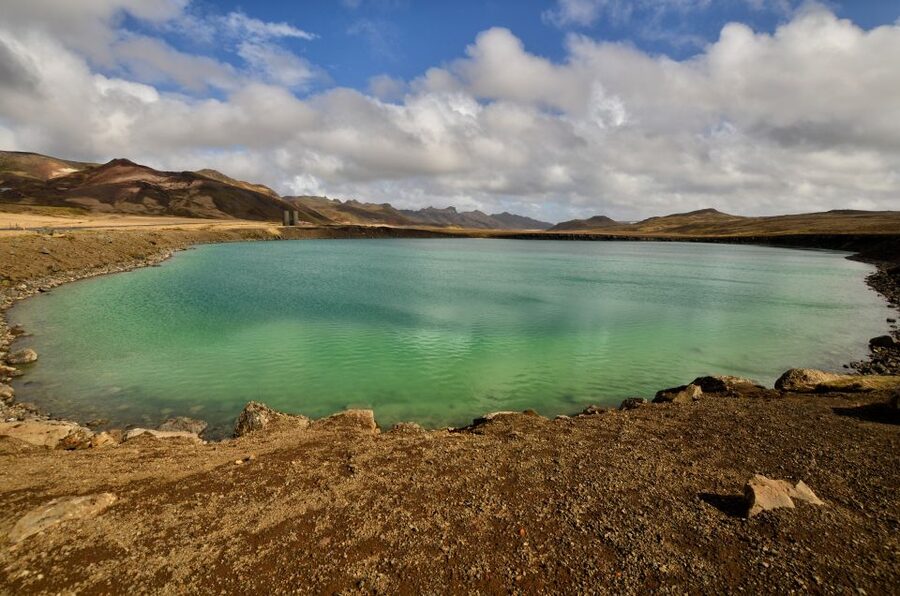
Next comes Grænavatn, a small lake in a volcanic crater. Its teal-colored water gives the stop a clear visual punch. You only have about 10 minutes here, so think of it as a sharp photo and orientation stop rather than a hike.
The route then moves toward Krýsuvík. Driving time is part of the experience. The road cuts through ground that feels spare and exposed, with few signs of ordinary city life. Your guide may use this stretch to explain Iceland’s volcanic systems, local history, or daily life. Guides Jakob and Starri, for example, have been praised for adding cultural stories alongside the geology, which helps keep the ride from becoming a string of technical facts.
Seltún: the tour’s strongest walking stop
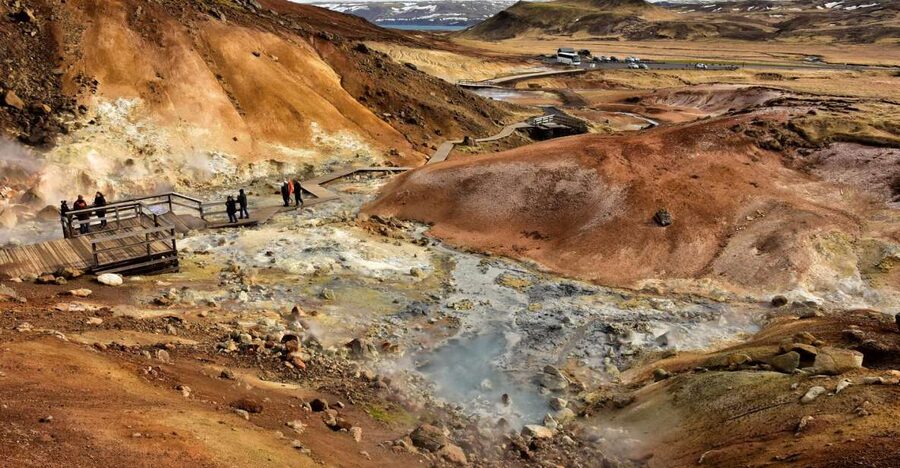
Krýsuvík, often listed as Krýsuvík-Seltún, is where you get the clearest look at Iceland’s geothermal power. A short walk leads through colored hills and steaming ground. Expect yellow sulfur deposits, red and brown earth, bubbling mud, and vents sending heat into the air.
I consider Seltún the most rewarding stop for most people. It is compact, visual, and easy to understand. You do not have to wait for a geyser or hike for hours to see activity. The ground is already working in front of you.
The smell can be strong. Sulfur often smells like rotten eggs, and wind can push steam across the path. Stay on marked routes and follow the guide’s instructions. This is not a place for wandering off to find a better photograph. The hot ground is not merely scenic; it can be dangerous.
You have around 30 minutes here, enough for a proper walk and photographs without turning the stop into a rushed dash. Wear sturdy outdoor shoes. A waterproof jacket is useful even when rain is not falling, since the weather can shift quickly and the steam makes the air feel damp.
A few more things to do in Reykjavik worth a look
- Iceland: Airport Transfers between Keflavik and Reykjavik Hotels
★ 4.0 · 349 reviews - Airport Transfer in Iceland from Reykjavik City to Keflavik Airport with Hotel Pick Up
★ 4.0 · 332 reviews - Private Keflavik Airport Transfer (One Way)
★ 5.0 · 131 reviews - Private Keflavik Airport Transfer (Round trip)
★ 5.0 · 115 reviews
Grindavík and the look of new lava
The route continues toward Grindavík, a fishing town that has been heavily affected by volcanic and seismic activity. The tour includes a view of newly formed lava fields and the eerie edges of areas that were once part of an active community.
This is one of the tour’s most important stops because it connects geology with real life. A volcano is not just a dramatic natural event here. It can close roads, move people from their homes, alter a town, and change the route you are taking that day.
The scheduled sightseeing time in Grindavík is short, about 15 minutes, and access can change. Do not expect to walk freely across fresh lava. Safety barriers and road closures may limit what you can see. If the area is restricted, the guide will use an alternative route or replace the stop.
This is also where you need patience. The itinerary may look precise when you book, but Reykjanes does not always cooperate with a printed plan. In late 2023, closures removed several planned stops. The guide still provided the accessible lake and geothermal areas, but the day was less complete than expected. That is not a fault the operator can control, but it is a real consideration when you book during an active volcanic period.
Gunnuhver: boiling mud and an Icelandic ghost story
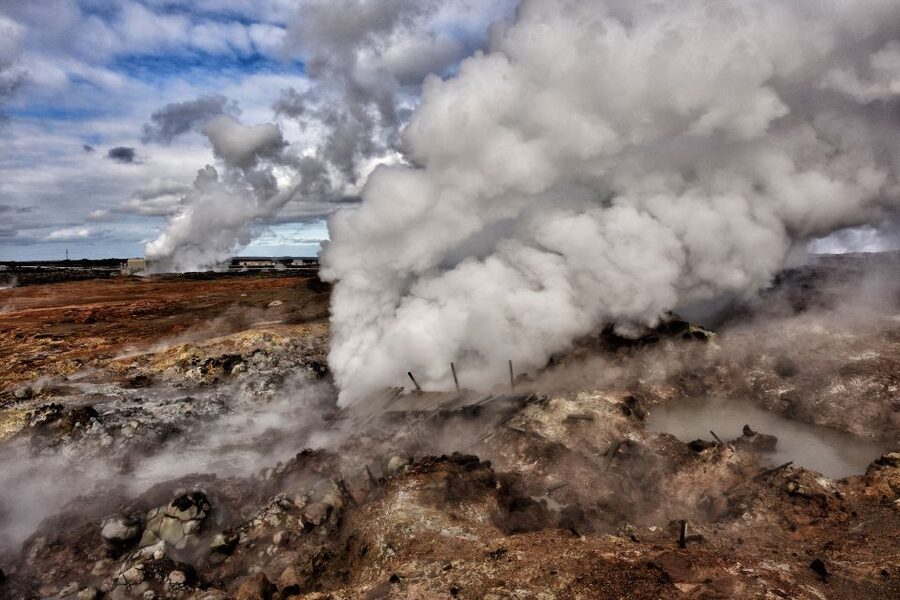
At Gunnuhver, the ground becomes louder and more theatrical. Steaming vents and mud pools spread across the geothermal area, with mineral colors around the wet ground. The air may smell strongly of sulfur.
The guide also tells the local story of Gunna, a ghost associated with the area. It gives the stop a bit of folklore without taking away from the science. I like this mix. Iceland’s natural sites are more memorable when you hear how local stories grew around them.
You have about 10 minutes at Gunnuhver, so this is a quick walk and viewing stop. Be ready to move when the guide calls the group back. The paths and viewing areas may be affected by weather or safety restrictions, and the steam can make photography tricky.
Reykjanesviti, Valahnúkur, and the rough Atlantic edge
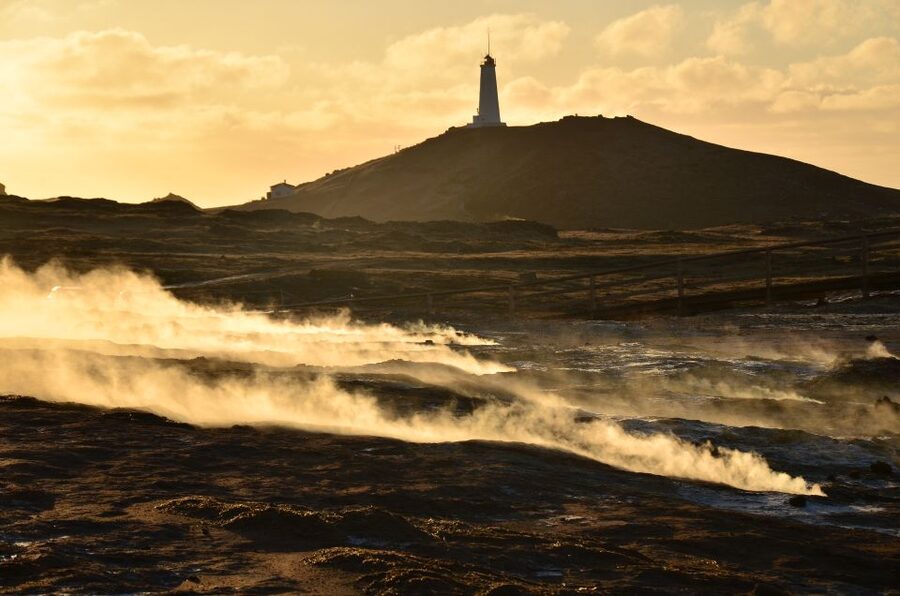
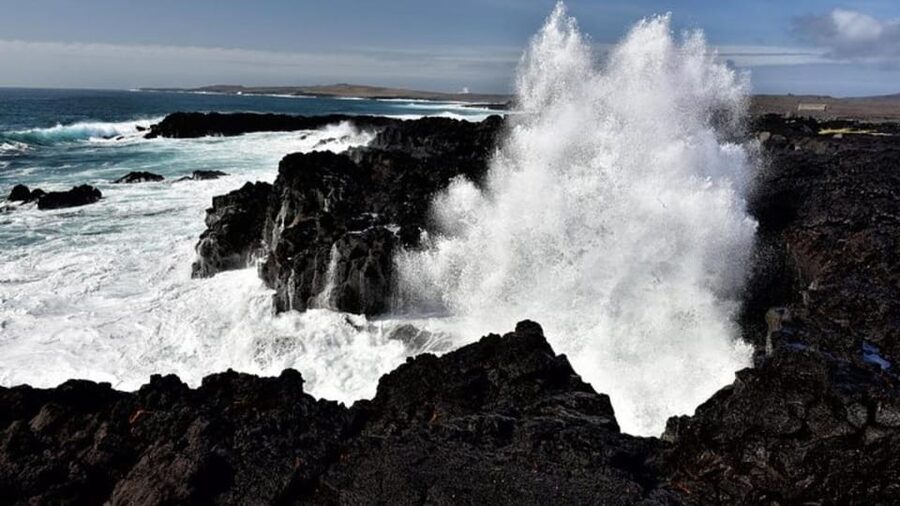
The Reykjanes lighthouse area brings a change of mood. Reykjanesviti is Iceland’s oldest lighthouse, and its position above the ocean gives you broad coastal views. Nearby Valahnúkur offers bird cliffs and a sense of the peninsula’s exposed edge.
This is one of the best places for open sea views. The coast feels raw and wind-cut, with waves below and birds using the cliffs. Bring a warm layer even in summer. The weather can feel much harsher beside the ocean than it did inland at Seltún.
The scheduled stop lasts about 30 minutes. That is usually enough for photographs and a short walk, though one guide, Starri, gave extra time at Valahnúkur when conditions allowed. You should not count on extra time, but a small group gives the guide more room to make sensible choices than a large coach schedule would.
Again, access depends on conditions. Road closures around Grindavík can also affect this part of the peninsula. If the lighthouse or cliffs are closed, the guide may have limited alternatives, as happened during an earlier period of volcanic concern.
Crossing the Bridge Between the Continents
The final main sight is the Bridge Between the Continents, a symbolic footbridge over a fissure between the North American and Eurasian tectonic plates. The bridge itself is modest, but the idea behind it is easy to grasp: Iceland sits across a major plate boundary, and Reykjanes lets you see evidence of that movement in several forms during one day.
You get about 20 minutes here. It is a short walk, a clear photo stop, and a good final geology lesson. Do not expect a huge monument or a long trail. The appeal is the simple act of crossing a narrow gap while standing in a place shaped by plate movement.
The bridge can be unavailable during road closures or safety changes. If it matters greatly to you, check current conditions before booking and again shortly before departure.
Airport and Blue Lagoon drop-off
The tour is especially useful if you have a late afternoon or evening flight. You return to Reykjavik at about 4:00 PM, and an optional drop-off can be arranged at Keflavík International Airport or the Blue Lagoon. The route passes by both areas, but admission to the Blue Lagoon is not included.
Do not treat the airport transfer as a guarantee for a tight flight connection. The tour can be delayed or altered by weather, road conditions, volcanic activity, and traffic. Give yourself a generous buffer and confirm the drop-off details with the operator before departure.
For a late flight, this is a clever way to use your final day. You see a major part of southwest Iceland, avoid returning to Reykjavik only to head back toward the airport, and carry less luggage between separate bookings. For an early flight, it will not work, since pickup begins around 9:00 AM.
Guide quality and the small-group difference
The strongest part of this experience is the guide. The tour has used guides including Trond, Gummi, Jakob, Ian, Rakel, and Starri. Their reported strengths are clear explanations, humor, local history, and the ability to adjust the day when conditions change.
That matters on Reykjanes because the sights are spread out. A silent transfer between stops would make the day feel like a bus ride with scattered photo breaks. A good guide turns the driving time into context about volcanic activity, Icelandic history, and life in the region.
Groups range from 5 to 17 people. That is small enough for a more personal feel, but you should not assume every departure will be intimate. The guide may be able to answer questions, adjust the pace, or stop for a practical lunch suggestion. One guide even helped find a suitable lunch stop when the whole group turned out to be vegetarian.
You are responsible for your own food and drinks, so ask the guide about lunch timing rather than waiting until everyone is hungry. The itinerary includes a coffee and shopping break in Hafnarfjörður, but no meal is included.
What to wear and who should book
Bring waterproof rain gear, warm outdoor clothing, and sturdy footwear. You will be outside beside hot springs, mud pools, cliffs, lakes, and lava fields. Trainers may be fine in dry conditions, but they are not the best choice for wet or uneven ground.
This tour suits you if you want geology, scenery, and local stories without committing to a demanding hike. It is also a good fit for a final day before flying from Keflavík, provided your flight leaves late enough.
You may prefer another plan if you want long walks, a guaranteed visit to every listed stop, or a full Blue Lagoon experience. The route has several short sightseeing periods, and volcanic safety rules can remove major stops. Families should note that Icelandic law requires children to use booster seats.
Cancellation is free up to 24 hours before departure, and you can reserve while paying later. The tour needs at least four participants to operate, so a small possibility of cancellation remains if numbers are too low.
Should you book this Reykjanes tour?
I would book it if you want to understand Iceland through its active ground rather than simply collect famous viewpoints. Seltún, Gunnuhver, the new lava, the lighthouse, and the tectonic bridge form a varied day, and the guide adds the context that makes the stops connect.
The best value comes when you use the airport or Blue Lagoon drop-off. If you need only a ride to the airport, $159 is expensive. If you want a final sightseeing day with a local guide, hotel pickup, a small minibus, and several hard-to-reach sights, the price is fair.
Book with flexible expectations about Grindavík and the coastal stops. If weather and safety close part of the route, you may spend more time at the lakes and geothermal areas. Those are strong sights in their own right, but the tour is at its best when the peninsula allows you to see the full sweep from crater water to ocean cliff.
FAQ
How long does the Reykjanes tour last?
The tour lasts about seven hours. Pickup begins between 9:00 and 9:30 AM, and the return to Reykjavik is expected around 4:00 PM.
Where can I be picked up in Reykjavik?
Pickup is available from many hotels, guesthouses, apartments, designated Reykjavik bus stops, the cruise port, and Reykjavik Airport. If your accommodation is more than a 10-minute walk from a fixed pickup point, contact the operator.
Is airport drop-off included?
An optional drop-off at Keflavík International Airport is available. The tour also offers a Blue Lagoon drop-off, but Blue Lagoon admission is not included.
Can I visit the Blue Lagoon during the tour?
The route passes by the Blue Lagoon, and an optional drop-off is available. Entry tickets are not part of the tour.
What sights are included?
The route includes Kleifarvatn Lake, Grænavatn, Krýsuvík-Seltún, the Grindavík area, Gunnuhver, Reykjanesviti lighthouse, nearby bird cliffs, and the Bridge Between the Continents.
Is food included?
No. Food and drinks are not included. There is a 30-minute break in Hafnarfjörður for coffee and shopping, and you should bring water and snacks.
What should I wear?
Bring rain gear, outdoor clothing, and sturdy outdoor footwear. The tour includes walks near geothermal ground, lava fields, lakes, and coastal cliffs.
Can the route change?
Yes. Volcanic activity, road closures, weather, and unsafe travel conditions can alter or cancel parts of the route. Alternative stops may be used when sections are unavailable.
How many people are in each group?
The group size is between 5 and 17 people. A minimum of four participants is required for the tour to operate.
Just added in Reykjavik
- Reykjavik: Whale and Puffin Watching RIB Boat Tour★ 4.6 · 179 reviews
- Reykjavik: Whale Watching Express★ 4.3 · 227 reviews
- Reykjavik: Whale Watching & Lava Show★ 5.0 · 4 reviews
- Reykjavik: Whale & Marine Adventure Tour★ 4.3 · 71 reviews
- From Reykjavík: Viking Horseback Tour in Hafnarfjörður★ 4.9 · 112 reviews
- Reykjavík: Horse Riding Tours★ 4.9 · 127 reviews
- Luxury Private Transfer from Reykjavik to Keflavik Airport★ 5.0 · 9 reviews
- Winter South Coast Day Tour by Minibus from Reykjavik★ 5.0 · 109 reviews
Keflavik Airport Transfers, compared.
Airport Transfers between Keflavík and Reykjavik Center
Read our review →
Airport Transfer in Iceland from Keflavik Airport to Reykjavik City With Hotel Drop Off
Read our review →
Airport Express Shared Arrival Transfer from Keflavik Airport to Reykjavik Hotels
Read our review →
Airport Transfers between Keflavik and Reykjavik Hotels
Read our review →
Airport Transfer in Iceland from Reykjavik City to Keflavik Airport with Hotel Pick Up
Read our review →
Keflavik Airport One-Way Private Transfer To or From Reykjavik
Read our review →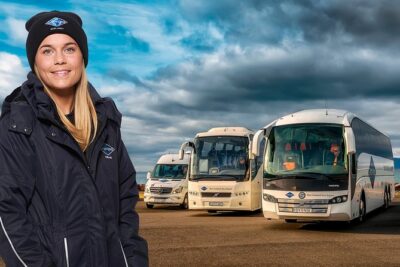
Airport Express Shared Departure transfer from Reykjavik City to Keflavik Airport
Read our review →
Browse the lists this tour appears in