
Reviewed · VOLCANO & LAVA TOURS
Reykjavík: Guided Afternoon Hiking Tour to New Volcano Site
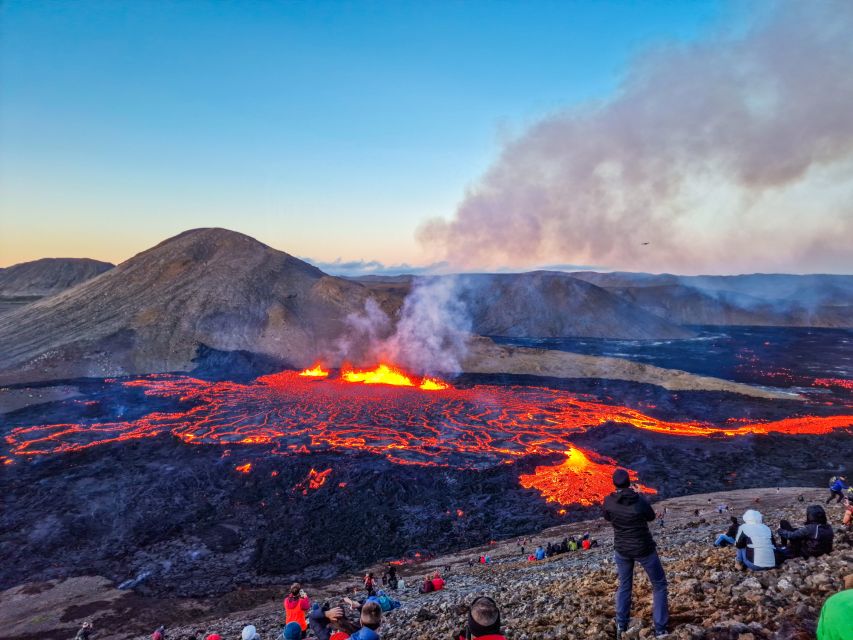
The most striking part of this excursion is not simply seeing a volcano. It is walking across ground that was recently molten, then standing near black lava that may still steam or hold warmth. The Geldingadalur and Meradalir valleys show Iceland being made in real time, with new rock laid over older moss-covered lava.
I like the stop at colorful Seltún before the hike, and I like the guides’ habit of keeping the group together rather than racing to the front. Guides including Tom, Dave, Alain, and Ottar have been praised for clear volcano explanations and good humor. The catch is simple: this is a long, weather-exposed hike, and the advertised Litli-Hrutur lava flow had stopped at the stated update. You need to book it for the geology and scenery, not for a guaranteed eruption.
Key points to know before booking
- A real hike, not a roadside volcano stop: Allow roughly two hours each way to reach a good viewing point, with about three hours set aside at the volcano area.
- Seltún adds color and variety: You get a short visit to steaming ground, sulfur smells, and vivid mineral shades before the black lava fields.
- The new lava may not be flowing: Litli-Hrutur was still smoldering after the flow stopped, but volcanic conditions and access can change.
- Guides are a major part of the value: Tom, Dave, Alain, Ottar, and others have been praised for geology, local stories, safety, and patience with slower walkers.
- Pack food and serious weather gear: Nothing is provided to eat, and the route can be windy, snowy, slippery, or wet.
- Best for fit hikers aged 12 and older: The outing is not suitable for children under 12 or people with mobility impairments.
Why this Reykjanes hike feels different
The Reykjanes Peninsula is not a polished sightseeing circuit. It is a rough, active part of Iceland where volcanoes, fissures, hot springs, and old lava fields sit close together. The recent eruptions near Fagradalsfjall changed the area from a quiet hiking region into one of the country’s most talked-about volcanic zones.
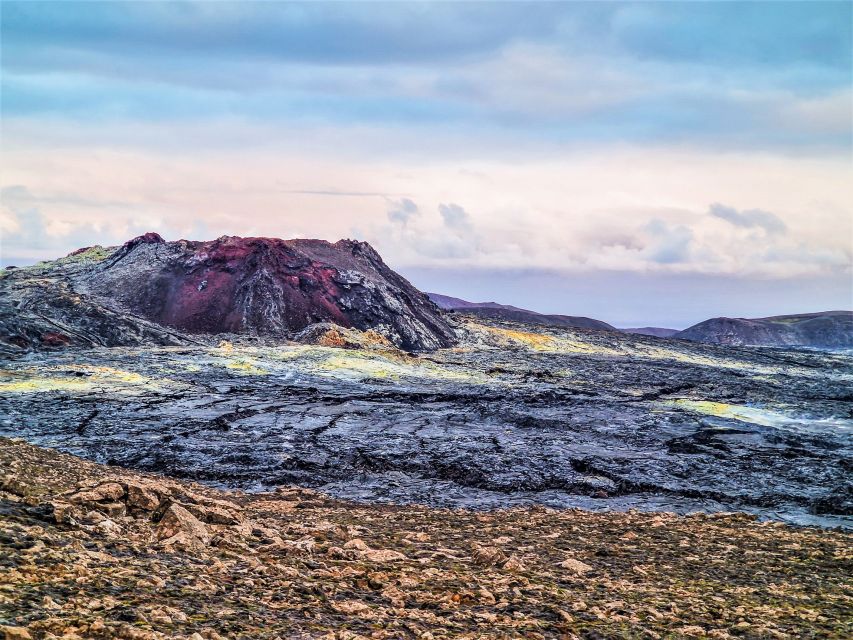
This tour lets you see several stages of that story in one afternoon. At Seltún, sulfurous ground bubbles and steams beside the trail. In Meradalir, you see hardened lava and the shapes it formed as it cooled. In Geldingadalur, the main hike takes you toward the newer eruption areas, with views across fresh black rock and older green lava moss.
I like that the day is not built around one single viewpoint. If the weather closes in or access changes, you still have geothermal ground, lava formations, and the wider Reykjanes story to make the trip worthwhile.
The advertised price is $126 per person. That is fair value if you want transport from Reykjavík, an English-speaking guide, entry fees, a headlamp, and an organized route to an area that can be difficult to understand on your own. You are also paying for local judgment around closures and volcanic safety.
It is less attractive if you only want a quick photo. A rented car or a shorter sightseeing trip may suit you better. Here, much of the value comes from the explanations, the walking time, and the chance to understand what you are seeing.
More craters and lava fields near Reykjavik:
- Reykjavik: Golden Circle Full-Day Tour with Kerid Crater
★ 4.8 · 24,485 reviews - From Reykjavik: Golden Circle, Kerid, & Secret Lagoon Tour
★ 4.8 · 6,009 reviews - Small-Group Golden Circle, Blue Lagoon with Ticket & Kerid Crater
★ 5.0 · 5,631 reviews
Leaving Reykjavík and reaching the peninsula
Pickup depends on the option you choose. The stated meeting point is Tour Bus Stop 12, opposite the Storm Hotel, with pickup also available from selected hotels and official central bus stops after you confirm details with the provider.
Reykjavík’s bus-stop system matters. Parts of the city center do not allow tour buses, so you may be redirected to a nearby official stop even if your accommodation is central. Build in time to reach the meeting point, and do not assume the coach can pull up outside your hotel.
The first drive takes about 35 minutes. This is useful time for the guide to explain the volcanic setting, the recent eruptions, and the older cones and lava fields around the peninsula. Several guides have also added local stories, music, and practical food suggestions for Reykjavík, which helps the ride feel less like a transfer.
Conditions can affect the route and timing. A bus delay or mechanical problem has occasionally caused frustration, and the return can take time because the vehicle serves many central drop-off points. The advertised seven hours is a useful planning figure, but the day can change because of road conditions, weather, or volcanic access rules.
Seltún: sulfur, steam, and bright mineral colors
After the first drive, you stop at the Seltún Geothermal Area for about 25 minutes. This is a short visit, not a long walk, but it gives the day a strong opening.
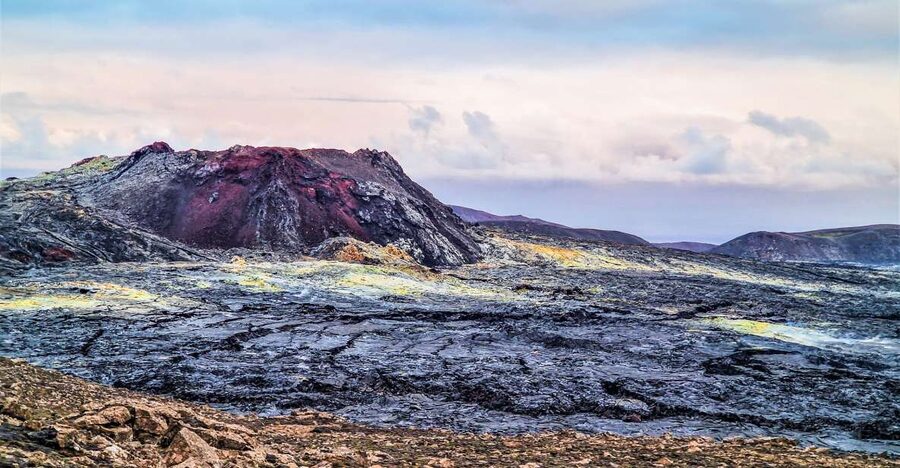
Seltún is known for steaming vents, sulfur smells, wet ground, and mineral colors that range from yellow to orange and greenish shades. The air can smell strongly of rotten eggs. That is not a defect, but it is part of the place. You are seeing heat from below the Earth rather than a staged attraction.
The stop also gives you a gentler start before the main hike. You can take photographs, hear about the geothermal activity, and see how different the peninsula looks from the black lava fields later in the day.
Do not expect a large visitor center or café stop here. The visit is brief, so use the time for photos and stay on the marked walking areas. The ground around geothermal features can be unsafe, and the guide’s instructions matter.
A further drive of about 20 minutes takes you toward the hiking area. Depending on access, weather, and current volcanic conditions, the precise route can change.
Meradalir and the shape of fresh lava
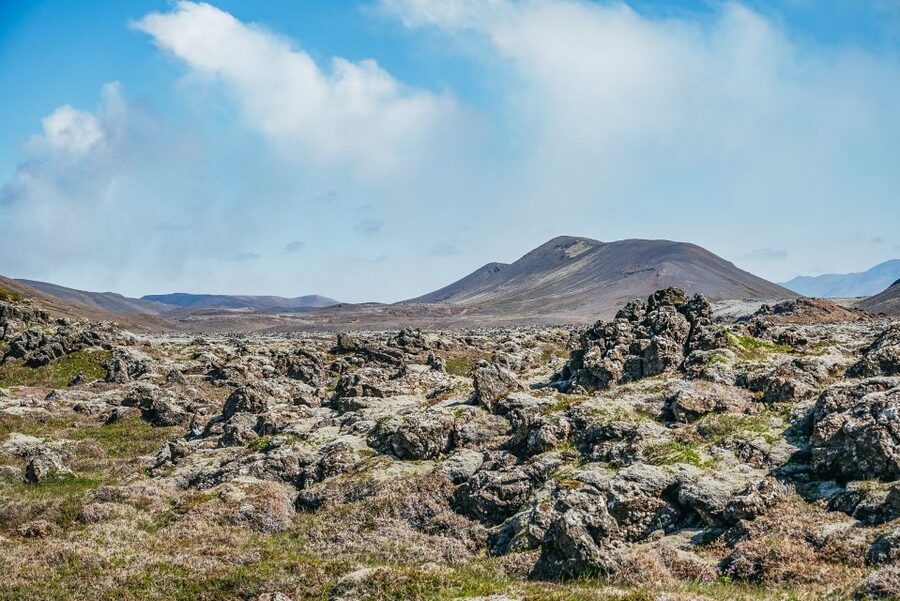
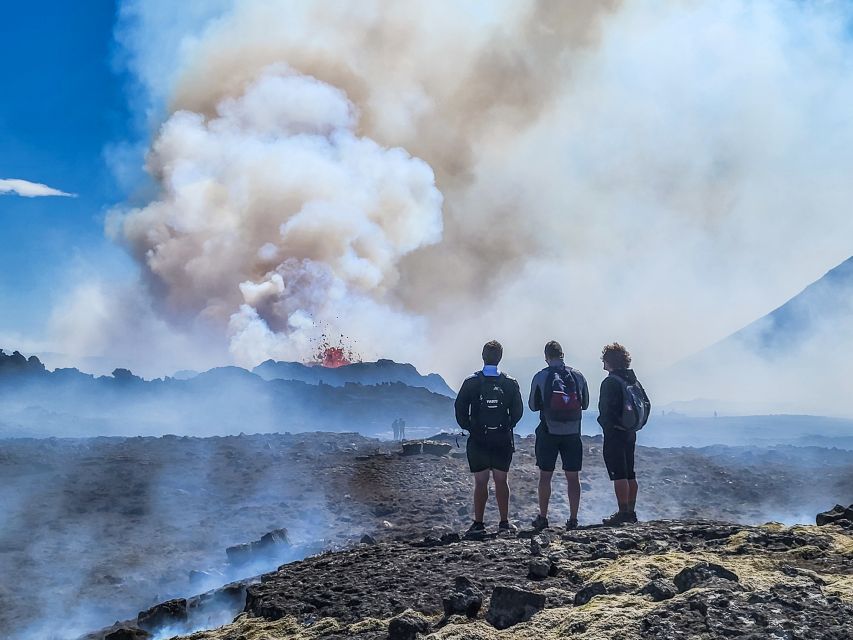
The route passes the Meradalir eruption area, where you can see how lava spread through the valley and hardened. This is one of the most useful parts of the tour for anyone who wants more than a dramatic black rock photograph.
Fresh lava does not cool into one neat surface. It can twist, fold, crack, pile up, and form rough shelves and channels. Your guide can point out those changes and explain how molten rock moved through the valley. You may also see steam or lingering heat in sections of newer rock, but the amount depends on volcanic conditions.
Walking near old lava is a lesson in time. Some flows are covered with soft green moss, while newer surfaces remain dark, sharp, and almost bare. The contrast helps you understand how quickly an eruption changes the ground, and how slowly plants return.
Access rules are important here. Do not climb beyond barriers or approach areas that the guide marks as unsafe. One past excursion even allowed people to warm sandwiches on still-warm lava, but that is not something you should expect or attempt. Heat, unstable rock, and gases can remain dangerous after visible activity ends.
A few more things to do in Reykjavik worth a look
- Reykjavik: Glacier Hike, Waterfalls and Black Sand Beach
★ 4.8 · 1,285 reviews - Reykjavík: Volcano Eruption Site and Reykjanes Hiking Tour
★ 4.6 · 1,066 reviews - From Reykjavik: Glacier Hike, South Coast and Waterfalls Day Trip
★ 5.0 · 915 reviews - Glacier Hike and South Coast Small-Group Tour from Reykjavik
★ 5.0 · 827 reviews
The three-hour hike toward Geldingadalur
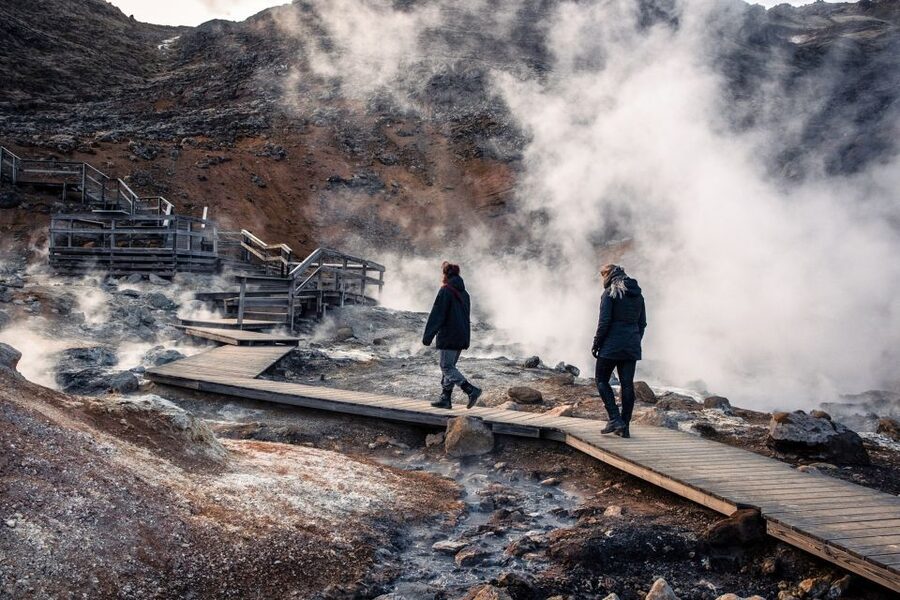
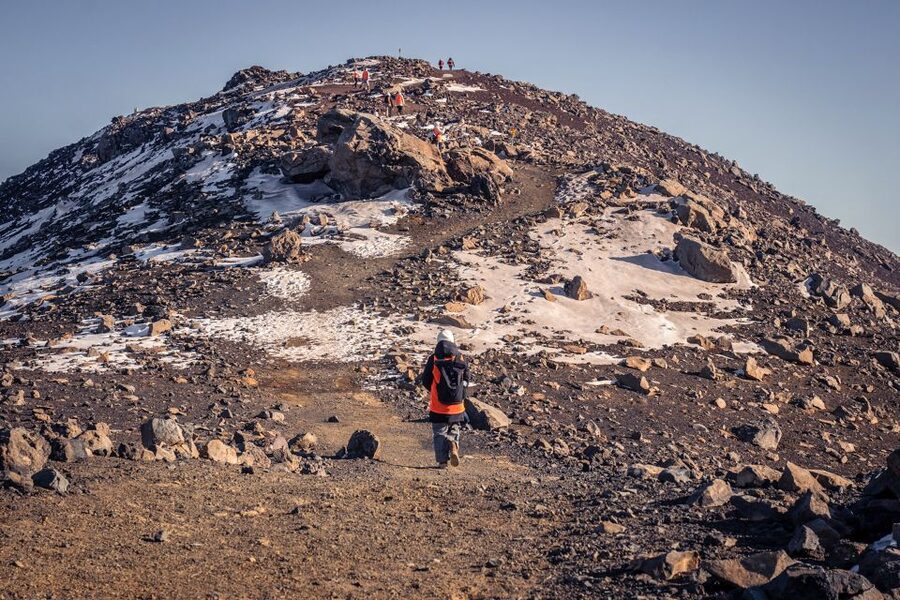
The central part of the day is a hike of about three hours, with roughly two hours each way to reach a good viewing point. The exact route and distance can change. Past groups have covered around 11 kilometers on some versions, while bad weather has led guides to shorten the outing.
The hike is rated moderate to hard. It may not feel technically difficult at every point, but the length, wind, uneven lava, snow, ice, and uphill sections add up. If you are not a regular hiker, you can still manage it if you prepare and accept a steady pace, but do not treat this as a casual stroll.
The guides have generally kept slower walkers included, with one guide sometimes staying toward the back while another leads. That approach matters. You are less likely to feel pressured, and the group can stop for breath, photos, and explanations.
Expect exposed conditions. In winter, snow and ice can make the route slippery. In other seasons, rain and strong wind can turn the return walk into the hardest part. A hiker with asthma found the route challenging but worthwhile, while another person with more serious health problems could not finish. Take those warnings seriously.
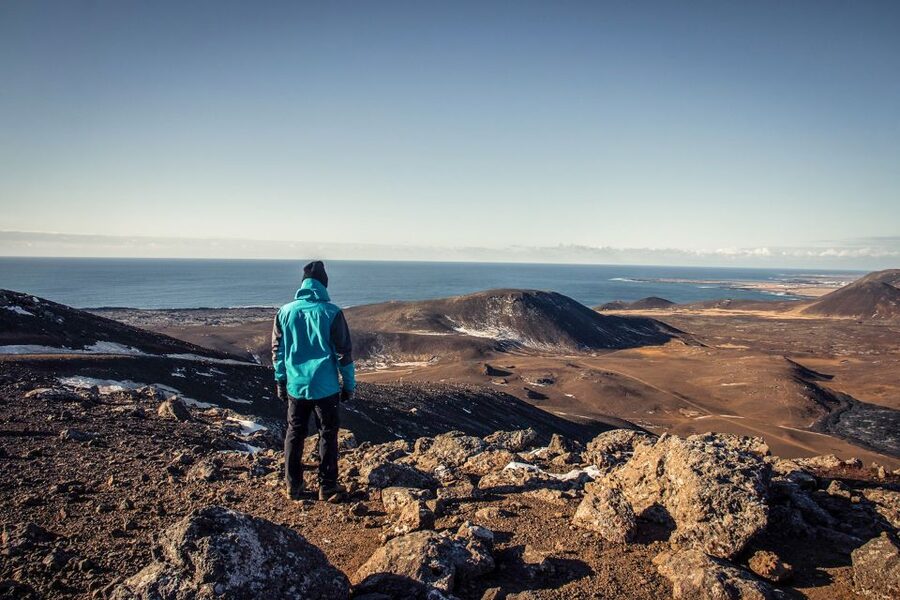
At the viewing area, you may see black lava fields, steaming sections, distant volcanic ridges, and the changed shape of the valleys. The Litli-Hrutur flow had stopped at the stated update, but the area was still smoldering. On other dates, people have seen fresh heat and even active magma, yet nobody can promise that on your departure day.
This uncertainty is part of volcanic travel. Eruptions stop. Roads close. Wind can hide the view. Book this as a chance to walk through a recently altered volcanic zone, with live conditions shaping the day.
What the guides add to the experience
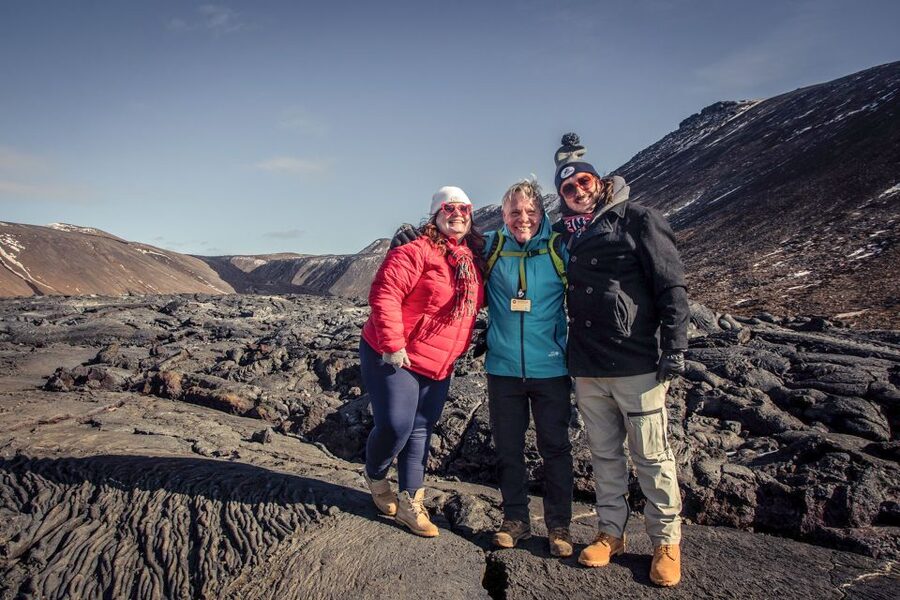
The strongest part of the tour is often the human one. A good guide turns black rock into a story you can follow.
Tom has been praised for balancing clear explanations with humor and practical help. Dave has been described as energetic and caring, with useful advice about Reykjavík food and city stops. Alain has explained past eruptions, Icelandic history, and the geology of the peninsula while adjusting the pace for a mixed group.
Other guides named on different departures include Ottar, Sara, Kalman, Karol, Omar, Joanna, Odysseas, and Viktor and Viktoria. The guide changes, so you cannot book a specific personality from the general tour details. What you can expect is an English-speaking guide who explains the volcanoes and helps manage the walk.
A good guide is especially valuable when the weather turns. One departure was shortened from about 20 kilometers to 11 because wind and rain made the longer route a poor idea. That is the right kind of flexibility for Iceland. Reaching every planned point matters less than getting the group back safely.
Food, clothing, and footwear
Food and drinks are not included. Bring more than you think you need, since there is no dependable meal stop once you begin the hike. Pack water, snacks, and a lunch if your timing calls for one.
Your clothing should handle wind, rain, cold, and sudden changes. Bring:
- Hiking shoes with firm grip
- Warm layers and weatherproof outer clothing
- Hat and gloves
- Rain gear
- Water and a packed lunch or substantial snacks
- A headlamp if the guide does not provide one for your departure
The tour includes a headlamp, but good hiking shoes remain essential. Jeans are specifically discouraged, as they become cold and uncomfortable when wet. Sports shoes are also not allowed under the stated rules, which makes sense on sharp, uneven lava and slippery winter ground.
In icy conditions, traction aids can help. One departure did not have enough shoe clamps for everyone, so carrying your own simple traction equipment may be wise if the forecast calls for ice. That is practical preparation, not overkill.
Timing, transport, and who should go
The full outing lasts about seven hours. You spend some time on the bus, a short period at Seltún, and the largest part of the day hiking. The return drive can take about an hour before the many Reykjavík drop-offs begin.
This tour suits you if you want a full day outside and enjoy learning while walking. It is a strong choice for hikers, geology fans, photographers, and anyone who wants to understand the 2021 and later eruptions rather than simply see a distant crater.
It is not a good match if you have limited mobility, dislike exposed weather, or want a guaranteed view of flowing lava. Children under 12 are not accepted, and people with mobility impairments should choose another outing.
The group may include people with different fitness levels. That can slow the pace, but it also means the guide’s patient approach is useful. You should be comfortable walking for several hours and waiting while others catch their breath.
Free cancellation is available up to 24 hours before departure, and you can reserve now and pay later. Those terms help when Iceland’s weather forecast is unsettled, though they do not remove the need to check the route conditions before you go.
Should you book the Litli-Hrutur volcano hike?
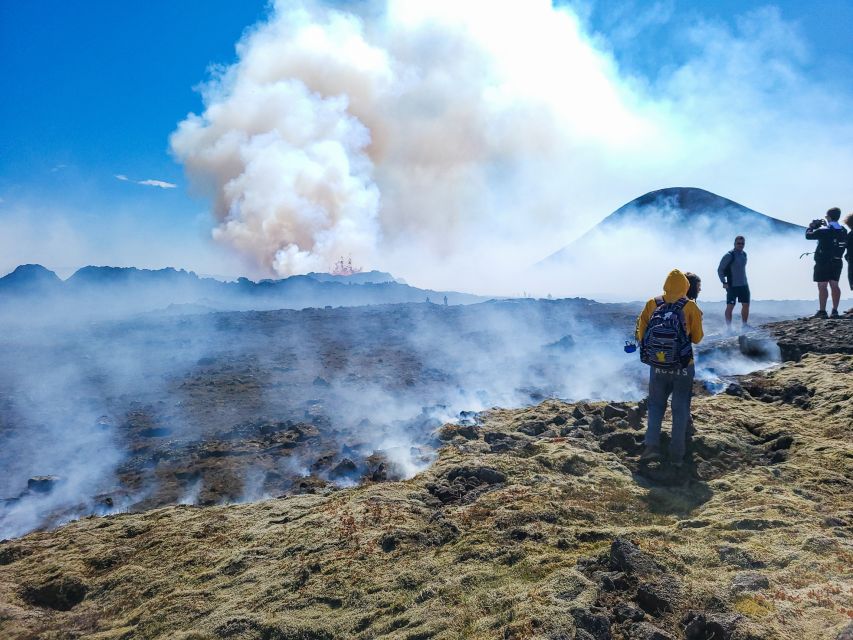
Book it if you want to walk across recent lava, hear clear explanations from a local guide, and see Seltún, Meradalir, and Geldingadalur in one long outing. At $126, the package offers solid value for transport, guiding, entry fees, and access planning.
Do not book it expecting a guaranteed eruption. Litli-Hrutur may be quiet, the route may be shortened, and the weather may hide the best views. You should also be ready for a serious hike, not just a scenic bus ride.
For a well-prepared hiker, this is one of the more meaningful ways to see the Reykjanes Peninsula. Pack food, wear proper boots, watch the forecast, and let the volcano set the schedule.
FAQ
How long does the tour last?
The tour lasts about seven hours, including transport from Reykjavík, the Seltún stop, and the hike near Geldingadalur. The timing can change because of weather, route closures, or volcanic conditions.
How difficult is the hike?
The hike is considered moderate to hard. Reaching a good viewing point takes around two hours each way, and the full hiking portion is listed at about three hours. Snow, ice, wind, rain, and uneven lava can make it more difficult.
Will I definitely see flowing lava?
No. The stated update says the Litli-Hrutur lava flow had stopped, although the area was still smoldering. Conditions change, so you should book this for volcanic scenery and geology rather than a guaranteed active eruption.
Is food included?
No. Food and drinks are not included. Bring water, snacks, and a packed lunch, since there may be nowhere to buy food during the hike.
What should I wear?
Wear hiking shoes, warm layers, a hat, gloves, and weatherproof clothing. Rain gear is important. Jeans and sports shoes are not allowed under the stated tour information.
Where do I meet the guide?
The stated meeting point is Tour Bus Stop 12, opposite the Storm Hotel. Pickup from selected hotels and official bus stops in central Reykjavík may be available, but you should confirm the exact pickup details after booking.
Just added in Reykjavik
- 2-Day South Coast, Blue Ice Cave, Glacier Lagoon Tour★ 5.0 · 4 reviews
- 1-Hour Helicopter Tour in Iceland: The Geothermal Tour★ 4.9 · 263 reviews
- Reykjavik: Countryside Guided ATV Tour with Transfers★ 4.8 · 272 reviews
- Midnight Sun ATV Adventure from Reykjavik★ 5.0 · 112 reviews
- 8-Day Iceland Ring Road Tour: Reykjavik, Akureyri, Golden Circle & South Coast★ 4.5 · 81 reviews
- Helicopter Tour with Mountain Summit Landing from Reykjavik★ 5.0 · 243 reviews
- Magical Whales in the Midnight Sun | from Reykjavik★ 4.5 · 91 reviews
- Iceland Volcanic Eruption Area Helicopter Tour from Reykjavík★ 4.5 · 196 reviews
Volcano & Lava Tours, compared.
Golden Circle Full-Day Tour with Kerid Crater
Read our review →
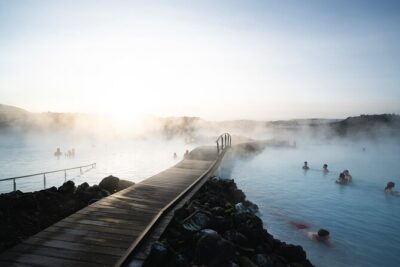
Small-Group Golden Circle, Blue Lagoon with Ticket & Kerid Crater
Read our review →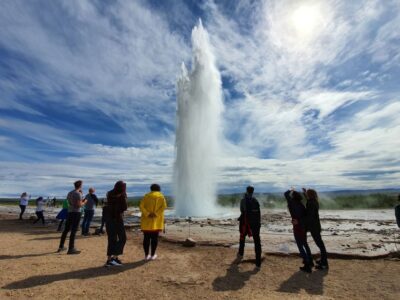
Golden Circle, Kerid Crater, & Blue Lagoon Tour
Read our review →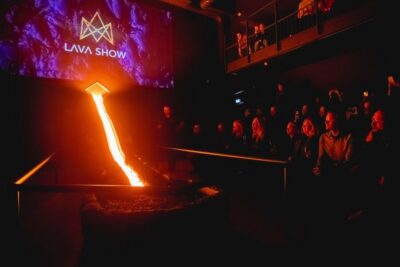
LAVA SHOW – Immersive Experience Entry Ticket
Read our review →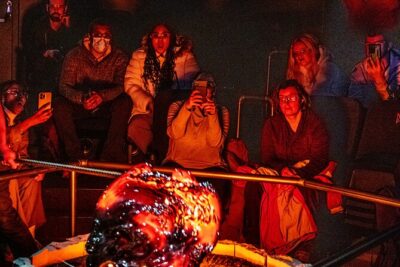
Lava Show Reykjavik Admission Ticket – Optional Premium Upgrade
Read our review →
Golden Circle with Kerid Volcanic Crater Day Tour from Reykjavik
Read our review →
Browse the lists this tour appears in