
Reviewed · REYKJAVIK MUSEUMS & ATTRACTIONS
Reykjavík: National Museum of Iceland Entry Ticket
The most striking object here may be a small figure of Thor dated to around the year 1000, a reminder that Iceland’s Viking-era past is not just a saga on a page. The museum follows Iceland from the first settlers crossing the Atlantic to modern life, using about 2,000 objects, photographs, and church treasures to tell the story.
I like the way the permanent exhibition has a clear route through time, beginning with a medieval ship and ending at a modern airport. I also like the ticket’s flexibility: it is valid for 365 days, includes temporary exhibitions, and comes with an audio guide in 10 languages. The main drawback is that some displays may feel lightly labeled, and the $20 price can seem high if you only stay for a quick visit.
Key points to know before you go
- Thor from around the year 1000: See one of the museum’s most memorable objects, a small figure linked to the old Norse god.
- A full national story: The exhibition moves from the Settlement Age through medieval Christianity and into modern Iceland.
- About 2,000 objects: Expect archaeological finds, church art, books, household items, and 20th-century photographs.
- A useful rainy-day stop: You can spend about an hour and a half here, or stay longer if you read the labels and use the audio guide.
- Flexible admission: Your ticket is valid for 365 days and includes temporary exhibitions as well as the permanent collection.
- Good pairing in Reykjavík: Add the Settlement Exhibition for more Viking-era material, or the Maritime Museum for modern fishing and Cod War history.
A national story told through objects
The National Museum of Iceland is the place to go when you want more than a quick Viking snapshot. Its permanent exhibition asks a broad question: what makes a nation? The answer comes through objects tied to work, belief, family life, settlement, politics, and Iceland’s connection with the wider world.
The route begins with the ship that carried medieval settlers across the ocean. That opening gives the exhibition a strong human scale. Iceland’s story starts with a difficult journey, not an abstract date. You can picture people leaving one home behind and trying to build another on a remote island.
From there, the displays carry you through the Settlement Age, the medieval period, the arrival of Christianity, the development of printing, and the changes that brought Iceland into the modern world. The final stop is a modern airport, described as Icelanders’ gateway to the world. That ending makes sense of the country’s long relationship with isolation, migration, trade, and travel.
I like this structure because it prevents the museum from becoming a loose collection of old things. The objects are placed within a national story. Still, you should not expect every case to explain itself at the same level. If you want detailed information about each object, use the audio guide and take your time with the labels.
Other indoor stops in Reykjavik:
- Reykjavik: FlyOver Iceland Entry Ticket
★ 4.7 · 3,499 reviews - Reykjavik: Perlan Museum Wonders of Iceland Entrance Ticket
★ 4.7 · 2,575 reviews - Perlan – Wonders of Iceland Experience
★ 4.5 · 2,012 reviews
The Settlement Age and the first Icelanders
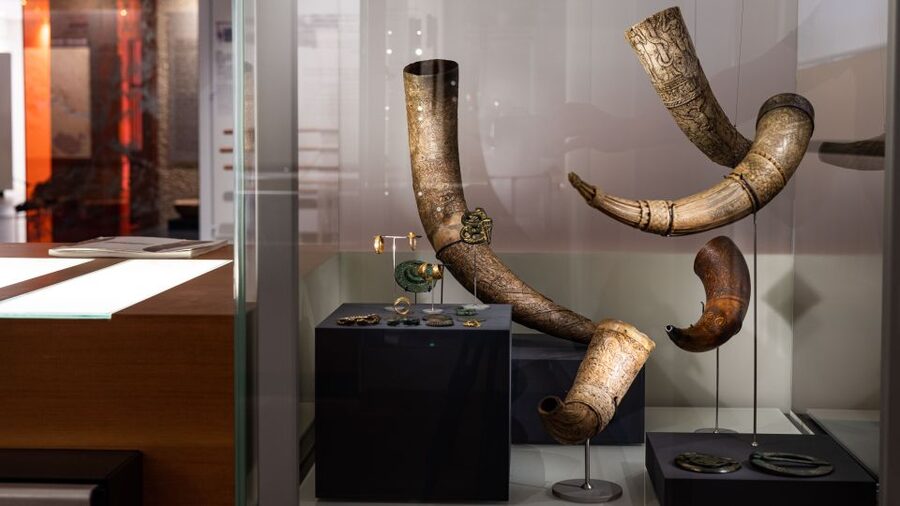
The earliest section focuses on the people who crossed the sea and made Iceland their home. The ship at the start of the route gives this part a strong visual anchor, while archaeological material helps explain the world those settlers entered.
This is where you get the clearest sense of Iceland as an isolated place that still belonged to a wider North Atlantic network. The first inhabitants arrived with skills, beliefs, tools, and customs shaped elsewhere. Their new home required them to adapt those traditions to a difficult environment.
The museum does not treat settlement as a single heroic event. Instead, it shows the foundations of a society. You can look for evidence of daily work, religious change, and the gradual formation of a distinct Icelandic identity. The subject suits anyone interested in archaeology, medieval Europe, or the practical problems of starting a community far from established towns.
For a more concentrated look at the Viking period, pair this museum with Reykjavík’s Settlement Exhibition. The National Museum gives you a broad timeline, while the Settlement Exhibition is the better choice if your main interest is the earliest settlement itself.
Thor, Christianity, and medieval belief

The figure of Thor is one of the objects most likely to stay with you. Dated from around the year 1000, it captures Iceland at a turning point, when older Norse beliefs and Christianity were both part of the cultural picture.
This is not a large monument. Its value comes from what it represents. A small object can open a window onto religious life, artistic skill, and the changing beliefs of a society. If Viking mythology is your main reason for visiting, make a point of finding Thor early in your visit.
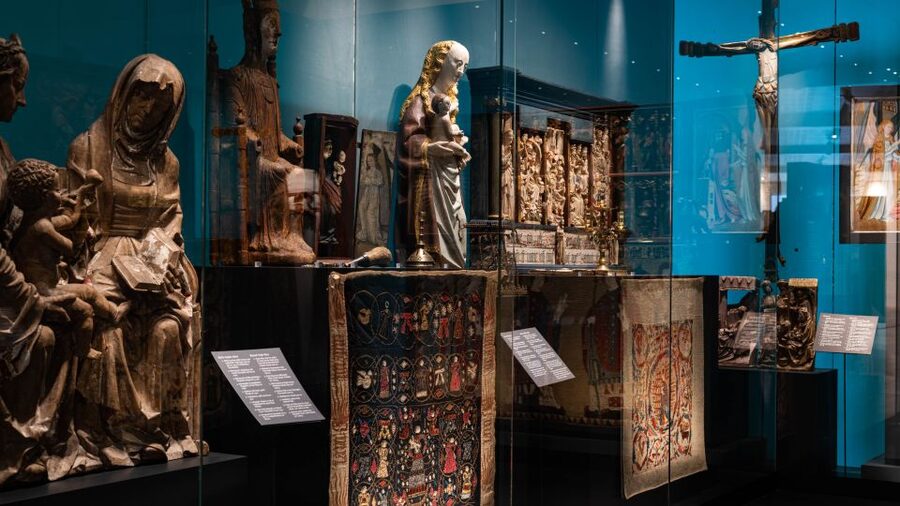
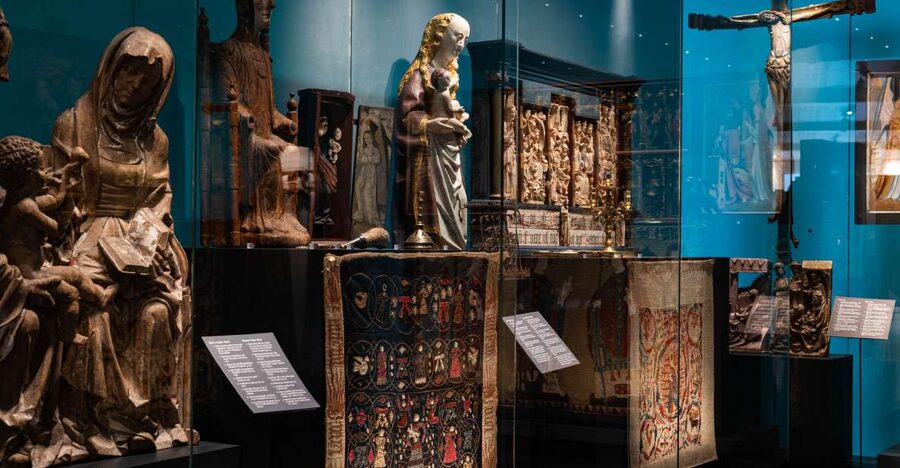
The museum then carries the story into Iceland’s Christian period. Medieval church objects show how religion shaped art, buildings, rituals, and community life. Some of these pieces are beautiful, but they also need context. The audio guide can help explain why church objects mattered and how they fitted into life in medieval Iceland.
The collection includes striking medieval church art, including triptychs. These works give the religious section a visual lift, especially if you enjoy painting, carved objects, or European church history. The display is more useful when you consider the objects as working parts of worship rather than simply old decorations.
The first Icelandic Bible and the power of print
One of the key objects is the first Bible printed in Iceland in the 16th century. It is still regarded as one of the country’s most beautiful printed works, and it marks an important change in how ideas could be preserved and shared.
The Bible is worth seeing even if you are not especially interested in religious books. Printing changed access to language, belief, education, and authority. In a country with a scattered population and long distances between communities, printed material carried particular weight.
This section also helps connect Iceland to wider European changes. The country was remote, but it was not cut off from new technology or religious movements. The museum’s larger point is that Icelandic identity developed through both local conditions and outside connections.
You may find that some individual pieces have less explanation than you would like. One useful approach is to read the broad introductory text first, then use the audio guide for the objects that catch your attention. That gives you context without turning the whole visit into a study session.
A few more things to do in Reykjavik worth a look
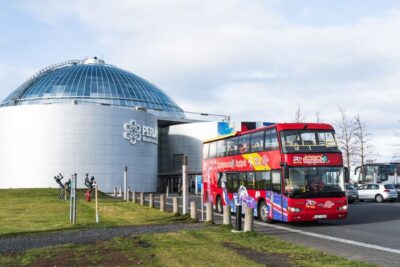
- Reykjavík: Hop-On Hop-Off Bus and Perlan Museum Entry Ticket
★ 4.3 · 719 reviews - Reykjavik: Whales of Iceland Museum Entrance Ticket
★ 4.4 · 493 reviews - Aurora Reykjavík, The Northern Lights Center Museum Visit
★ 4.5 · 327 reviews - Hellisheiði Geothermal Exhibition: Entry and Audio Tour
★ 4.6 · 88 reviews
From old objects to modern Iceland
The later part of the exhibition brings the collection closer to the present. Photographs from the 20th century add faces and everyday scenes to the older archaeological material. They help show how Iceland changed from a small, largely rural society into a modern nation connected to the wider world.
This section matters because it keeps the museum from becoming only a Viking attraction. You see that Iceland’s identity did not stop forming after the medieval period. The country’s modern story includes changes in work, transport, communication, family life, and international links.
The route ends at a modern airport. It is a simple but effective image: the same island that once required a long sea crossing is now linked to the world by air. The ending also gives the earlier sections more meaning. Iceland’s isolation was never absolute, but the ease of reaching the country has changed dramatically.
If your main interest is recent maritime and economic history, the Reykjavík Maritime Museum may suit you better. It offers a closer look at seafaring, fishing, and the Cod Wars. The National Museum gives you the wider national framework.
How long should you allow?
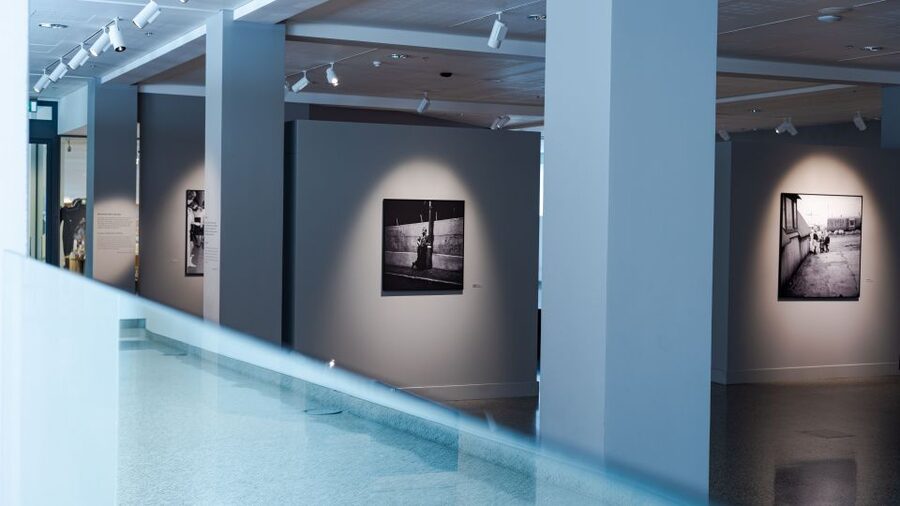
You can see the main exhibition in about an hour and a half if you keep moving. That is enough for a useful overview, especially if you are fitting the museum between other Reykjavík plans.
I would allow two hours if you want to use the audio guide, read the background panels, and spend time with the church art and photographs. History fans can stay longer, particularly when temporary exhibitions add new material.
The 365-day validity is unusual and useful. It does not mean you need to plan a full-day museum visit. You can go for a short first look, then return later if your schedule brings you back to Reykjavík. The ticket also includes temporary exhibitions, so a repeat visit may offer something different.
Check the museum’s current opening arrangements before you go, since the ticket information does not provide fixed daily hours. The ticket itself does not include transportation, so you will need to make your own way to the museum.
Audio guide, labels, and the pace of the visit
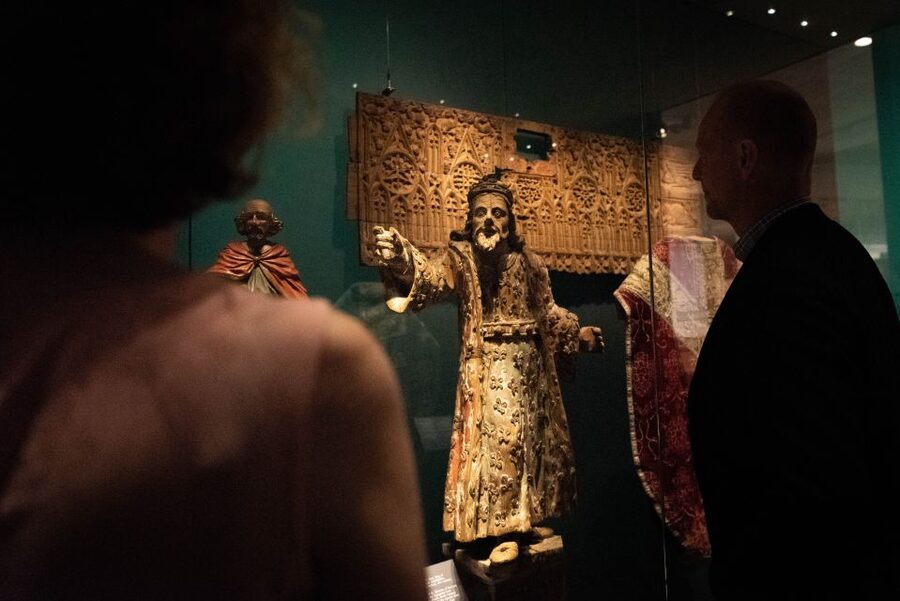
The audio guide is included in English, Danish, French, Polish, Spanish, Dutch, Swedish, Icelandic, Italian, and Chinese. That broad language choice makes the museum easier to use for international visitors.
I would use it selectively rather than listening to every entry. Start with the main route, then choose the objects that interest you most. Thor, the printed Bible, the medieval church pieces, and the photographs are natural places to spend extra time.
The exhibition layout is designed as a journey through time, but the numbering is not always as easy to follow as it could be. You may find objects spread out or feel uncertain about the exact sequence. If that happens, step back and look for the larger section headings before focusing on individual cases.
Some displays also have limited detail about each object. That is the strongest argument for using the audio guide. It is also worth asking at the reception desk if staff can point you toward the most important pieces. One visitor had a particularly engaging conversation with a staff member about the objects, so a short exchange can add something that a recording cannot.
Is the $20 ticket good value?
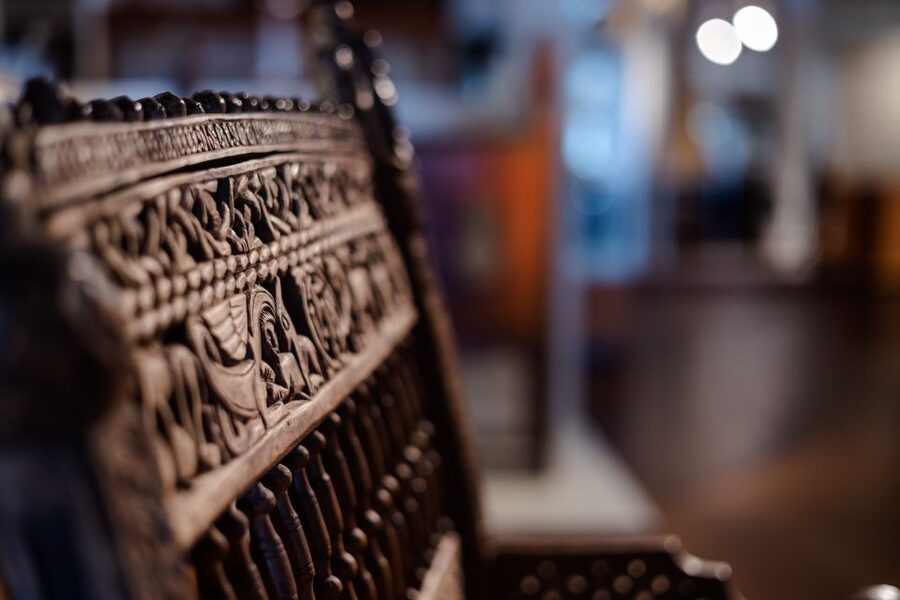
At $20 per person, this is not the cheapest indoor stop in Reykjavík. The value depends on how you use it.
For a quick 45-minute visit, the price may feel steep. For an hour and a half or more, with the audio guide and temporary exhibitions included, it becomes easier to justify. The 365-day validity also gives the ticket practical value if you are staying in Reykjavík for several days or expect to return.
The collection covers a long period, from the Settlement Age to the present. That means you are not paying only for Viking objects. You are getting archaeology, medieval religious art, books, photographs, and modern cultural material in one place.
The museum shop adds another small benefit for history enthusiasts. It sells exclusive replicas of archaeological finds, which can be more meaningful than a generic souvenir. You can take home an object connected to what you saw rather than simply a piece of Icelandic branding.
If you already plan to visit several Reykjavík museums, compare the total cost with any available city museum pass or combination ticket before booking. The information provided here confirms the individual ticket price, but not whether a wider pass is available during your visit.
Who will enjoy this museum most?
I would recommend the National Museum to adults and older children who enjoy history, archaeology, religion, books, or national identity. It is especially useful early in an Iceland trip because it gives you background for the farms, churches, roads, and communities you may see elsewhere.
It also works well on a rainy day. You can spend a manageable amount of time indoors without committing to a full day. The material is serious, though, and young children may lose interest if they are not already keen on history.
Families can still make it work by choosing a few objects in advance. Thor offers an obvious starting point, while the ship and the medieval art provide strong visual points. Keep the visit short and active rather than trying to read every label.
The museum is also a good choice for anyone who wants a more balanced view of Iceland. The popular image often centers on Vikings, sagas, and dramatic scenery. Here you also see Christianity, printing, ordinary life, modern change, and the country’s links with the outside world.
Practical details before your visit
Show your ticket at the reception desk at the National Museum of Iceland. The ticket lets you skip the ticket line, but transportation is not included.
Large bags and luggage are not allowed, so do not arrive with your main suitcase or a bulky travel bag. This matters if you are visiting between airport transfers or hotel checkouts.
The museum is wheelchair accessible. Wi-Fi is included, which is helpful if you need to download information or stay connected while planning the rest of your day.
Free cancellation is available up to 24 hours in advance, and you can reserve now while paying later. Those terms are useful if your Reykjavík plans are still shifting, though the museum ticket itself remains valid for 365 days.
Should you book the National Museum of Iceland?
Book it if you want a clear introduction to Iceland’s past, especially if Thor, medieval church art, the first Icelandic Bible, and the story of settlement appeal to you. I would also choose it for a rainy day or as a first museum in Reykjavík, since the route gives you a broad framework for the rest of your trip.
Think twice if you only want Viking objects or if you plan to stay for a very short time. The Settlement Exhibition may suit a narrowly focused Viking visit, while the Maritime Museum is better for fishing, seafaring, and the Cod Wars.
For most history-minded visitors, the $20 price is fair if you allow at least 90 minutes and use the audio guide. Treat it as a national story told through real objects, not as a quick display of Viking souvenirs, and the visit gives you useful context for nearly every other part of Iceland.
FAQ
How long is the National Museum of Iceland ticket valid?
The ticket is valid for 365 days. It is not limited to a single short booking window.
What does the ticket include?
It includes entry to the National Museum of Iceland, the permanent exhibition, temporary exhibitions, an audio guide, and Wi-Fi.
Which languages are available for the audio guide?
The audio guide is available in English, Danish, French, Polish, Spanish, Dutch, Swedish, Icelandic, Italian, and Chinese.
Is transportation included?
No. You must arrange your own transportation to the National Museum of Iceland.
Can I bring luggage or a large bag?
No. Luggage and large bags are not allowed.
Is the museum wheelchair accessible?
Yes. The National Museum of Iceland is wheelchair accessible.
Just added in Reykjavik
- 2-Day South Coast, Blue Ice Cave, Glacier Lagoon Tour★ 5.0 · 4 reviews
- 1-Hour Helicopter Tour in Iceland: The Geothermal Tour★ 4.9 · 263 reviews
- Reykjavik: Countryside Guided ATV Tour with Transfers★ 4.8 · 272 reviews
- Midnight Sun ATV Adventure from Reykjavik★ 5.0 · 112 reviews
- 8-Day Iceland Ring Road Tour: Reykjavik, Akureyri, Golden Circle & South Coast★ 4.5 · 81 reviews
- Helicopter Tour with Mountain Summit Landing from Reykjavik★ 5.0 · 243 reviews
- Magical Whales in the Midnight Sun | from Reykjavik★ 4.5 · 91 reviews
- Iceland Volcanic Eruption Area Helicopter Tour from Reykjavík★ 4.5 · 196 reviews
Reykjavik Museums & Attractions, compared.


Perlan Museum Wonders of Iceland Entrance Ticket
Read our review →


Hop-On Hop-Off Bus and Perlan Museum Entry Ticket
Read our review →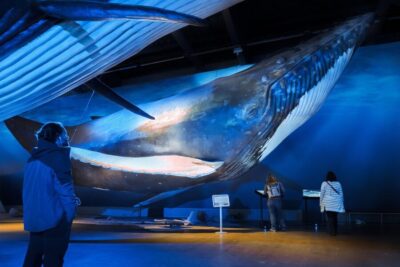
Browse the lists this tour appears in