
Reviewed · REYKJAVIK WALKING & FOOD TOURS
Reykjavik: World War II Walking tour around the city centre
The most striking part of this walk is that the British Invasion began at a real point on Reykjavik’s waterfront, not in some faraway battlefield. From Austurvollur, you follow the soldiers’ route toward the city centre, using old photographs and film to compare wartime Reykjavik with the streets you see today. I especially like the clear connection between place and event, and the way the tour treats World War II as a social story as well as a military one.
I also like the small-group feel suggested by the personal guiding style, with guides such as Lucky bringing humor and even a few ghost stories when the mood suits. The main consideration is the weather: this is an outdoor walk in almost all conditions, and you will be on your feet for two hours, with only some benches and one small hill along the way.
Key points at a glance
- See the exact Old Harbour landing place where British troops came ashore in May 1940.
- Walk the soldiers’ route into Reykjavik, passing key buildings taken during the occupation.
- Learn about American influence, including changes to Icelandic food, music, and social life.
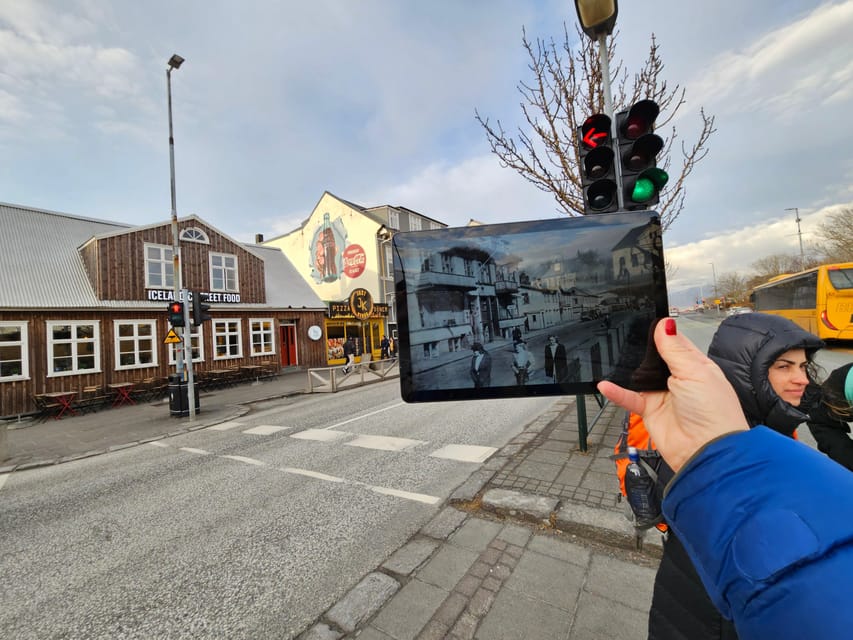
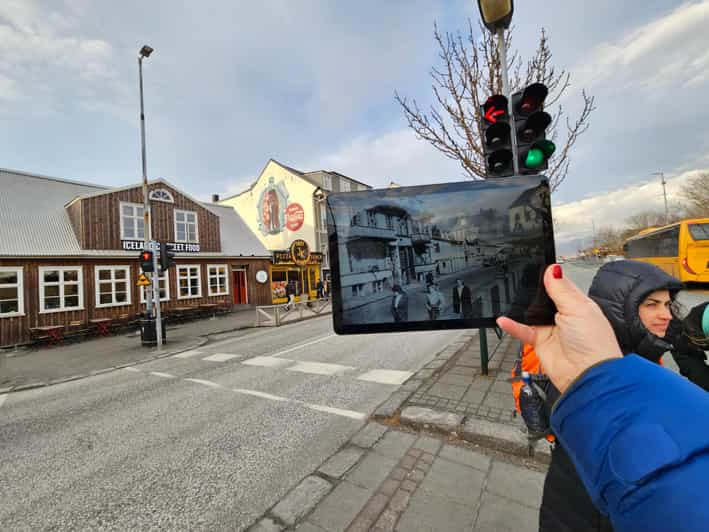
- Use period photos and videos to see how the city looked during the war.
- Visit the German Residence as part of a wider look at Iceland’s wartime position.
- Prepare for open-air conditions, with comfortable shoes, rain gear, and warm clothing.
Why Reykjavik’s 1940 invasion matters
Iceland may seem far removed from the main events of World War II, but its position in the North Atlantic gave it military importance. The British landed in Reykjavik in May 1940, taking control of key locations without a battle. This tour helps you understand that event by placing your feet on the same streets used by the soldiers.
That physical route makes the subject easier to follow. You begin at Austurvollur, the square outside Parliament, then walk down toward the Old Harbour. Instead of treating the invasion as a date to memorize, the guide shows how troops moved from the waterfront into the heart of the capital.
I find that approach useful because Reykjavik’s centre can look calm and modern at first glance. The tour asks you to picture it with soldiers, military vehicles, unfamiliar uniforms, and a sudden foreign presence. Period images and videos add detail that buildings alone cannot provide.
The story does not stop once the British arrive. You also hear about the American presence in Iceland and the lasting effect of wartime contact on ordinary life. Food, music, social habits, and local attitudes all enter the conversation. That wider view gives the walk more value than a simple military-history route.
More walking and eating in Reykjavik:
- Reykjavík Small group Walking Tour – by CityWalk
★ 5.0 · 5,076 reviews - Reykjavik: Guided Foodie Walking Tour with 6 Tastings
★ 4.9 · 1,645 reviews - Reykjavik Walking Tour – Walk with a Viking
★ 4.5 · 1,018 reviews
Starting at Austurvollur and Hotel Borg
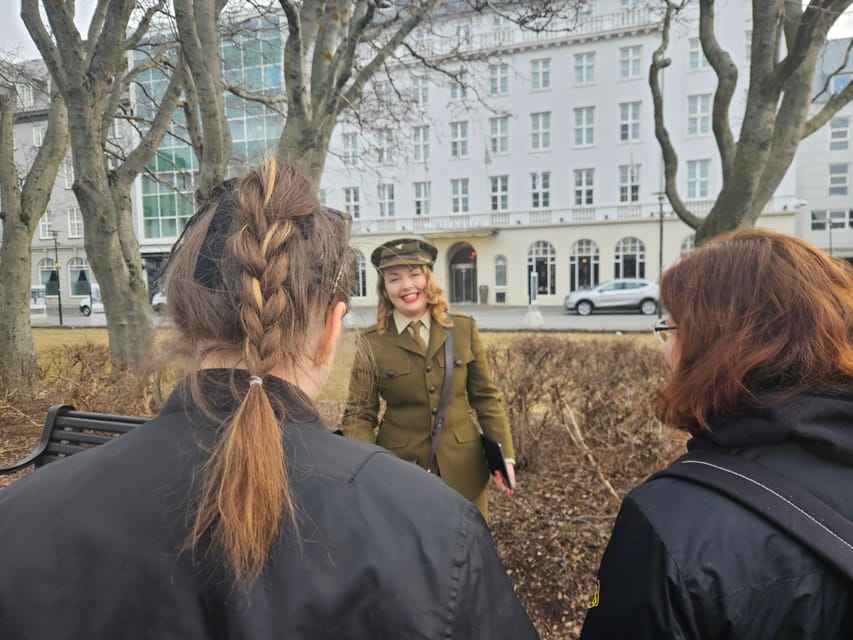
The meeting point is outside Hotel Borg on Austurvollur, also known as Parliament Square. Wait outside rather than going into the hotel. This is a central and easy-to-recognize place to begin, but you should arrive ready to walk because the tour sets off through the city rather than remaining around the square.
Austurvollur is a fitting starting point. It places the tour in the political centre of Reykjavik, close to the institutions that mattered during the occupation. From here, the guide can explain how a foreign military presence affected not just ports and barracks, but the capital’s government, streets, and residents.
The opening section also helps set the tone. This is a history-focused walk, but it is not presented as a lecture delivered from one spot. You move through the city while the guide uses the surroundings as evidence. If you enjoy learning through maps, routes, and visual comparisons, you will get more from this than from a standard city orientation walk.
Walking down to the Old Harbour
The Old Harbour is the central scene of the tour. It marks the landing place of the British forces in May 1940, and the guide shows you exactly where the arrival took place. That detail gives the event a strong sense of scale. You are not simply told that troops reached Iceland. You are shown the waterfront where the operation began.
Period photographs and videos are especially useful here. They let you compare the harbour of the wartime years with the present-day city. Reykjavik has changed, and the visual material helps you notice those changes instead of taking the modern setting for granted.
The harbour portion should appeal to anyone who likes history tied to real locations. It also gives you a strong opening scene for the rest of the walk. Once you have seen the landing point, following the route inland makes sense.
You will be outdoors and exposed to Icelandic weather at this stage. Bring rain gear even if the forecast looks fair, and wear shoes that can handle two hours of walking. Summer does not guarantee warmth in Reykjavik, so outdoor clothing is a practical choice rather than an optional extra.
Following the soldiers through the old town
After the harbour, the walk follows the route taken by the soldiers into Reykjavik’s old town. The guide discusses the key buildings that were taken as the British moved through the city. This section turns the old town into a historical route rather than just a collection of attractive streets.
The value here is the change in perspective. You may already walk through central Reykjavik to see shops, cafés, and familiar landmarks. On this tour, the same streets become part of a sudden military operation. The guide’s task is to connect those ordinary places with the pressure and uncertainty of 1940.
The route also includes side streets that you might not find on your own. These are not presented as isolated curiosities. They help keep the walk tied to the city’s wartime layout and let you move away from the most obvious central paths.
Most of the route is flat, and there are no stairs. There is a small hill to go up and back down, so the walk is accessible for wheelchair users but not entirely level. Benches appear at several stops, though not at every one. If standing for long periods is difficult, it is worth keeping that in mind before booking.
A few more things to do in Reykjavik worth a look
- Reykjavik: City Sightseeing Hop-On Hop-Off Bus Tour
★ 3.9 · 1,283 reviews - Reykjavík City Card
★ 4.3 · 964 reviews - City Sightseeing Reykjavik Hop-On Hop-Off Bus Tour: 24 or 48-Hour
★ 3.0 · 839 reviews - Airport Transfer in Iceland from Keflavik Airport to Reykjavik City With Hotel Drop Off
★ 4.0 · 464 reviews
The German Residence and Iceland’s wider position
The German Residence is one of the named stops, adding another side to the story. The tour does not focus only on the British arrival. It also considers Germany’s place in the wartime picture and how Iceland’s position mattered to more than one foreign power.
This broader treatment is one reason the walk works well for people who already know the basic outline of World War II. You are not only retracing a British operation. You are considering Iceland’s position between competing forces and the effect of outside attention on a small capital.
The stop also helps balance the tour geographically. The Old Harbour shows where the British came ashore, while the German Residence points you toward the political and international setting surrounding the occupation. Together, they make the subject feel less like a single military episode and more like a period of change across the city.
The supplied information does not give a full list of buildings or the exact order of every stop, so you should expect the guide to shape the details around the group and the conditions on the day. That flexibility can make the experience feel personal, but it also means the precise storytelling may vary by guide.
British occupation, American influence, and daily life
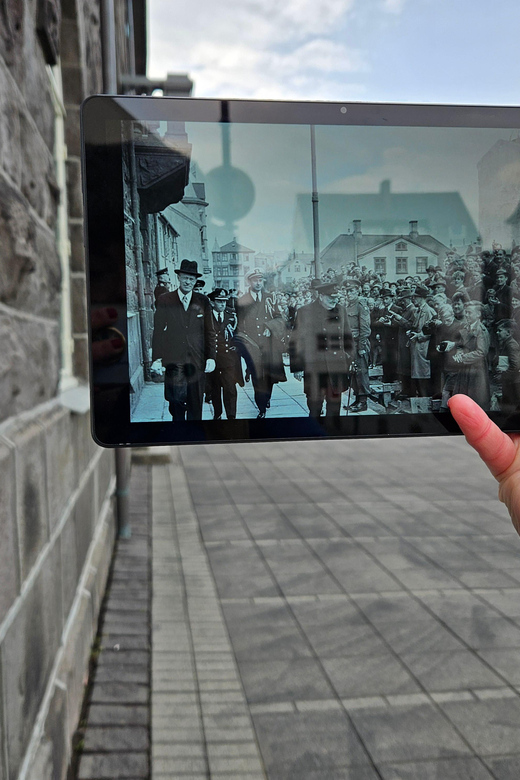
The British landing is the hook, but the most interesting material may be what followed. The tour discusses the American presence and how it changed Icelandic society. You hear about food and music, two everyday subjects that make large political events easier to understand.
Military history can sometimes become a list of commanders, dates, and troop movements. This walk adds a more familiar scale. You consider what people ate, what music they heard, and how contact with foreign soldiers affected local habits. That is useful if you want to understand occupation as a social experience, not just a military fact.
The American section also gives the tour a longer reach. The British arrival happened in 1940, but the changes connected to foreign forces continued beyond the first landing. By including culture, the guide shows why the period still matters to Icelandic identity and city life.
You should not expect a museum-style collection of objects or a long indoor presentation. The evidence comes through the guide’s explanations, the streets around you, and the period photos and videos. For me, that is a strength if you prefer active sightseeing, though readers who want a large display of original artifacts may want to add a museum visit separately.
A guide-led walk with room for personality
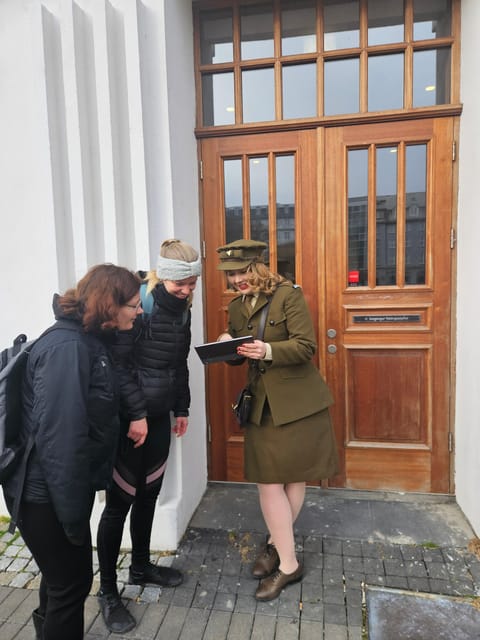
The tour is in English and lasts two hours. Its quality depends heavily on the guide’s storytelling, and the available feedback points to a warm, engaging style. Lucky is specifically praised for mixing strong historical knowledge with humor, and for adding ghost stories when people express interest.
That balance matters. A walk about invasion and occupation can feel heavy if every stop is delivered in a stiff tone. Humor can make the material easier to absorb, while the subject still receives serious treatment. The ghost-story option is a pleasant extra, but it is not the main reason to book. The core experience remains the wartime history of Reykjavik.
Another guide is described as friendly and deeply informed about Iceland during World War II, with clear enthusiasm for the subject. That passion is important on a walking tour. You are relying on spoken explanation rather than a large exhibition, so a guide who can connect facts to places makes a real difference.
The group may also receive a personalized route or discussion. You can ask questions and show interest in particular parts of the story, such as American culture, German involvement, or local life. Still, the exact degree of customization is not guaranteed, so book it for the overall subject rather than for a promised private itinerary.
What $40 gets you
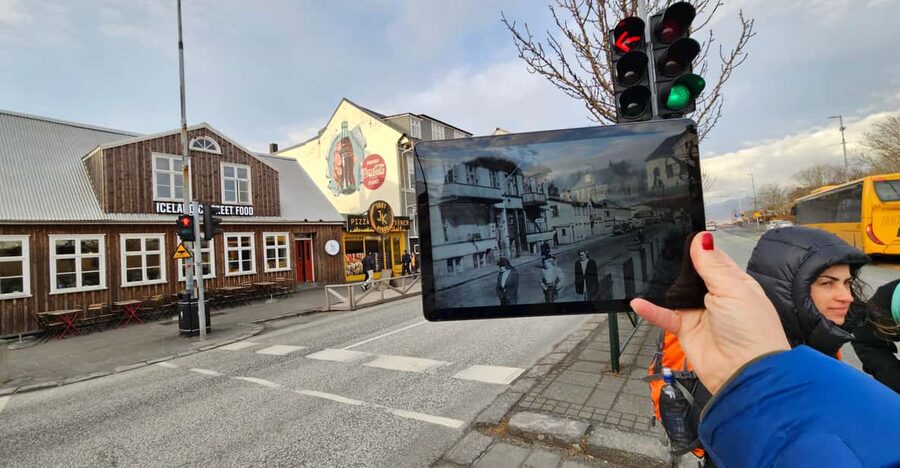
At $40 per person, this is not the cheapest way to spend two hours in Reykjavik, but the price is reasonable if you want a focused guide rather than a general walk through the city. You are paying for an English-speaking live guide, a carefully chosen route, historical visual material, and access to stories tied to exact locations.
The value is strongest for visitors who would otherwise walk through the Old Harbour and old town without understanding their wartime role. The tour gives those streets a clear theme and links several parts of the centre into one narrative.
You do not receive drinks or snacks, so plan around that. Two hours is long enough to want water, especially in warm weather, but you will need to buy anything you want before or after the walk. Since the tour ends back at the starting point, you can easily continue sightseeing or find food in central Reykjavik afterward.
Free cancellation up to 24 hours before the start adds useful flexibility, and you can reserve now and pay later. That matters in Iceland, where weather and changing plans can affect a city day. The walk runs in almost all weather, however, so flexible booking should not be confused with an indoor backup plan.
Who will enjoy this tour most
I would choose this experience if you like local history, military history, or city walks with a clear story. It suits adults and older children who can handle the subject matter and two hours on foot. Children under 10 are not considered suitable because of the topics discussed. If you want to bring younger children, a private version can be arranged with material adjusted for them.
It is also a good choice for repeat visitors who have already seen Reykjavik’s main sights. You will walk through familiar central areas, but the wartime route gives them a different meaning. First-time visitors can use it as an unusual introduction to the city, especially if they want history rather than shopping or food.
The tour may be less suitable if you dislike outdoor activities in poor weather, need frequent seating, or want a fast overview of Reykjavik’s major landmarks. This is not a general sightseeing tour. It stays focused on World War II, the occupation, and the cultural changes linked to foreign forces.
Wheelchair users can join because there are no stairs and most of the route is flat, though the small hill and uneven availability of benches are worth noting. Comfortable shoes help everyone, including visitors who normally prefer short city walks.
Practical preparation for the two-hour route
Dress for the day you might get, not the day you hope for. Bring rain gear and warm outdoor clothing, even during summer. Reykjavik’s weather can make a pleasant walk feel cold quickly, and the tour continues in almost all conditions.
A camera is useful for recording the places you visit and comparing them later with the period images shown by the guide. You do not need special equipment, but you should keep your hands free enough to walk comfortably and handle changing weather.
Before setting out, consider having water or a snack. Food and drinks are not included, and there may not be a planned stop for refreshments. Since the activity ends at Hotel Borg, you can arrange a café break after the walk rather than carrying much with you.
Arrive at the correct meeting point, outside Hotel Borg on Austurvollur. Do not wait inside the hotel. The return to the same point makes the tour simple to fit into a day of central Reykjavik sightseeing.
Should you book the Reykjavik World War II walk?
Book it if you want a place-based history tour that explains how the British arrival and American presence changed Reykjavik. The exact harbour landing, the soldiers’ route through the old town, the German Residence, and the discussion of food and music give the two hours a clear purpose.
I would be especially likely to recommend it to adults, history fans, repeat visitors, and anyone who enjoys a guide with personality. Lucky’s humor and optional ghost stories can add warmth to a serious subject, while the period photos and videos help keep the story tied to what you see.
Skip it if you want an indoor museum visit, a broad introduction to every major Reykjavik sight, or a short walk with plenty of sitting. For everyone else, $40 is a fair price for a focused experience that gives ordinary city streets a surprising wartime dimension.
FAQ
Where does the World War II walking tour begin?
The tour begins outside Hotel Borg in Austurvollur, also called Parliament Square. You should wait outside the hotel, not inside.
Where does the tour end?
The walk ends back at the starting point outside Hotel Borg.
How long does the tour last?
The tour lasts two hours. Starting times depend on availability.
What language is the tour in?
The live tour guide speaks English.
Is the tour suitable for children?
The tour is not suitable for children under 10 because of the subject matter. A private tour can be arranged for younger children with the material adjusted.
Is the walking route wheelchair accessible?
Yes. The route has no stairs and is mostly flat, but it includes a small hill and benches are available only at some stops.
What should I bring?
Bring comfortable shoes, a camera, rain gear, and outdoor clothing. The tour operates in almost all weather, and Reykjavik can feel cold even in summer.
Just added in Reykjavik
- Reykjavik: Whale and Puffin Watching RIB Boat Tour★ 4.6 · 179 reviews
- Reykjavik: Whale Watching Express★ 4.3 · 227 reviews
- Reykjavik: Whale Watching & Lava Show★ 5.0 · 4 reviews
- Reykjavik: Whale & Marine Adventure Tour★ 4.3 · 71 reviews
- From Reykjavík: Viking Horseback Tour in Hafnarfjörður★ 4.9 · 112 reviews
- Reykjavík: Horse Riding Tours★ 4.9 · 127 reviews
- Luxury Private Transfer from Reykjavik to Keflavik Airport★ 5.0 · 9 reviews
- Day Trip to Snæfellsness Peninsula from Reykjavik★ 5.0 · 7 reviews
Reykjavik Walking & Food Tours, compared.
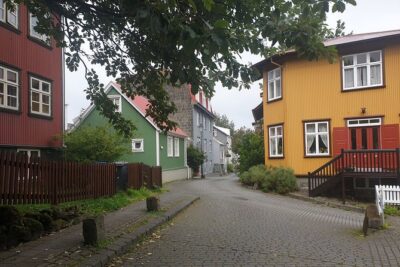
Reykjavík Small group Walking Tour – by CityWalk
Read our review →
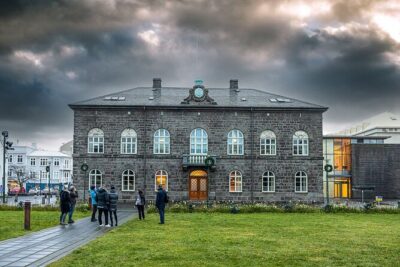
Reykjavik Folklore Walking Tour: Meet the Elves, Trolls & Ghosts of Iceland
Read our review →

Funky History Walking Tour in Reykjavik – With local storyteller
Read our review →
City Walking tour in Small Group with Local Guide
Read our review →Browse the lists this tour appears in