
Reviewed · SILFRA SNORKELING & DIVING
Silfra Drysuit Snorkeling with Free Photos – Meet on Location
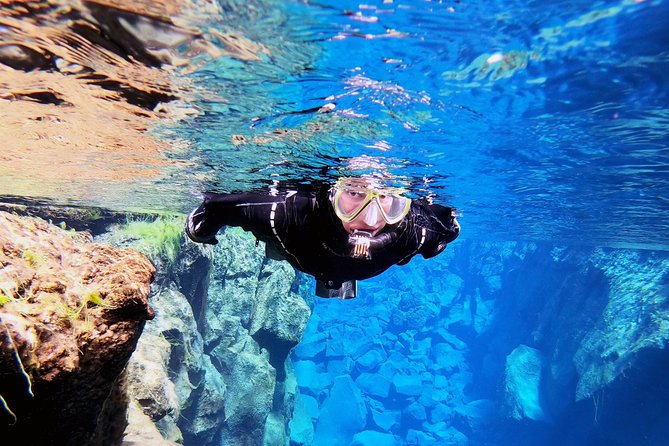
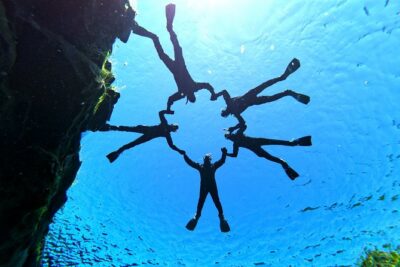
Silfra is one of those rare places where geology becomes something you can feel. At Thingvellir National Park, you float through a freshwater fissure formed as the continental plates slowly pull apart, with visibility reaching at least 100 meters. The water is about 2 C, but a proper drysuit keeps your body mostly dry.
I like the small groups of up to six and the careful preparation from PADI divemaster guides. I also like the free underwater photos, since holding a camera while managing a mask, snorkel, fins, and bulky drysuit would be a nuisance. The catch is simple: the suit feels tight, your hands and face get cold, and getting dressed can take longer than the actual swim.
Key points to know before you book
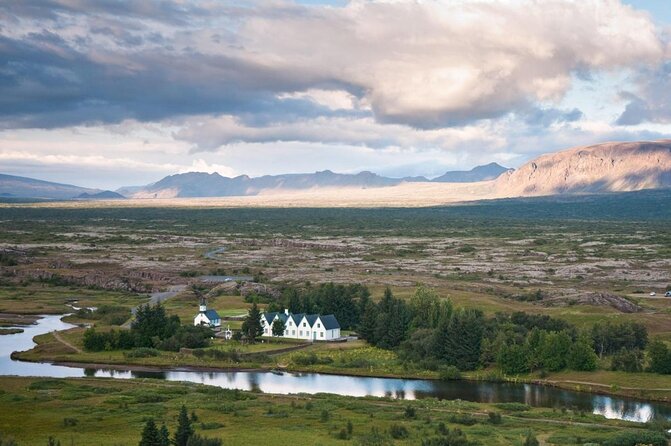
- Swim between tectonic plates: Silfra is a freshwater fissure in Thingvellir National Park, a UNESCO World Heritage Site.
- Expect about 40 minutes in the water: The full experience takes roughly three hours because of check-in, medical forms, dressing, safety instruction, walking, and changing afterward.
- Guides lead groups of six: PADI divemasters or instructors handle the briefing, fitting, water entry, safety checks, and photographs.
- The drysuit protects your core, not every inch of you: Your hands and head are exposed to cold water, and minor leakage is possible.
- Bring proper base layers: Long thermal underwear and thick wool socks make a major difference under the suit.
- The $140 price includes the essentials: Equipment, guide, underwater photos, and hot chocolate are included, but food, weatherproof outer clothing, and transport to Thingvellir are not.
Why Silfra feels unlike ordinary snorkeling
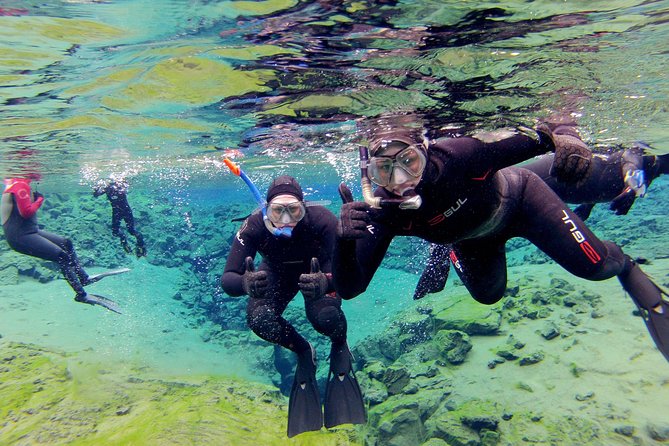
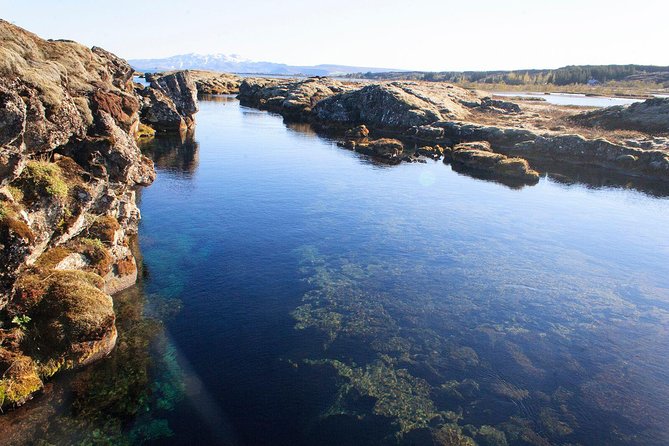
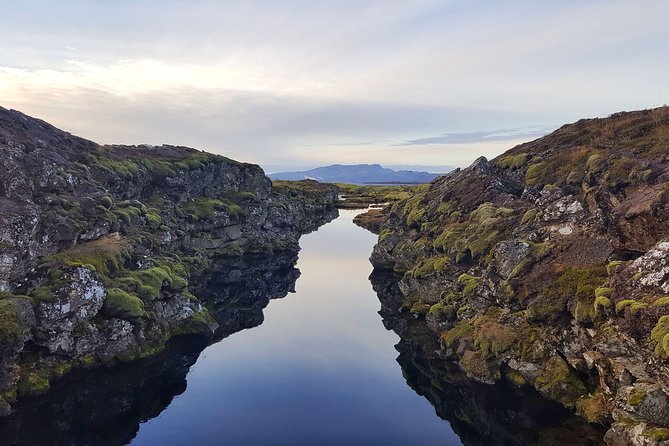
Most snorkeling gives you fish, coral, or rocks to look at. Silfra gives you an unusual sense of place. You are moving through a narrow underwater canyon created by the separation of the North American and Eurasian continental plates, with clear freshwater flowing through the fissure.
The geology is not just something your guide points out from a distance. It is the whole setting beneath your mask. You can look through the water for roughly 100 meters, and the remarkable clarity makes the movement feel quiet and almost weightless. Several guides, including Anil, Hugo, Niko, Oli, and Klaudyna, have been praised for combining safety instruction with useful background about the site.
The water is cold enough to demand respect. The supplied drysuit is designed for these conditions, and you wear thermal clothing beneath it. Your torso and legs should remain dry when the suit is working properly, but your hands and face are still exposed. Some people finish with numb fingers or cold feet, while others adjust after the first few minutes.
That difference matters. This is not a warm-weather float with a little scenic snorkeling added. It is a cold-water activity in specialized equipment, and you should book it because the setting interests you, not because you expect complete comfort.
More cold-water snorkelling and diving from Reykjavik:
- Silfra: Snorkeling Between Tectonic Plates – Meet on Location
★ 5.0 · 5,001 reviews - Reykjavík: Silfra Fissure Snorkeling between Two Continents
★ 4.7 · 1,712 reviews - Silfra: Snorkeling Between Tectonic Plates Pick Up from Reykjavik
★ 5.0 · 1,187 reviews
Arriving at Thingvellir National Park
You meet Adventure Vikings at the Silfra Adventure Vikings location in Thingvellir National Park, about 50 kilometers from Reykjavik. The tour does not include food or weatherproof clothing, so plan your route and clothing before leaving the city.
Once you arrive, you check in, complete the required medical form, and meet your guide. Each guide handles one group of up to six people, although as many as three groups can be present during the activity. That small group size is useful in the water. Your guide can keep an eye on everyone without managing a crowd.
The area is a national park, so do not expect a full visitor center with indoor changing rooms and a long list of comforts. The operator uses a heated changing van for the first part of the preparation. That warmth is especially welcome in winter, when the air can be far colder than the water feels once you are properly dressed.
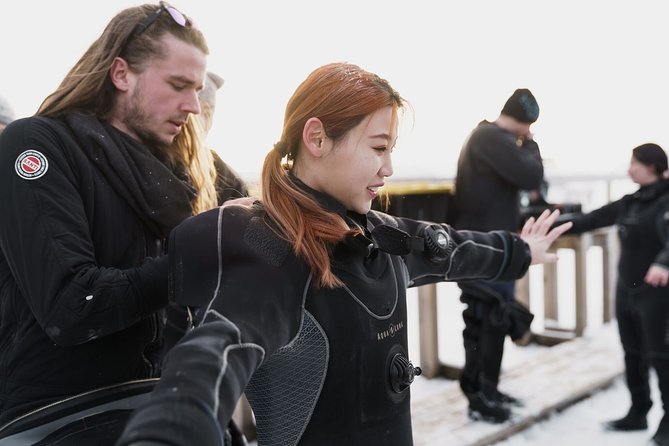
Allow time for the entire process. The suit is bulky, and you need help getting the neck, wrist, and ankle seals positioned correctly. The guides also check that the suit is fitted properly before you walk to the entry point.
Getting into the drysuit
The preparation is one of the most important parts of the experience, but it is also where some participants become impatient. You first change into suitable base layers in the heated van, then put on thermal overalls and the drysuit with assistance from the guide.
Wear long thermal underwear and thick wool socks. Avoid jeans, heels, and clothing that restricts movement. A change of clothes is sensible because a drysuit has a small chance of leaking, even though it is intended to keep you dry.
The suit can feel tight around the neck and wrists. It also makes ordinary movements awkward. You may feel stiff while walking, and climbing into the water is not graceful. That is normal. The suit is built for protection, not style.
The guide then helps with gloves, hood, mask, snorkel, and fins. The safety briefing covers the procedure, mask use, movement through the fissure, and what to do if you need assistance. Guides are expected to stay near the front of the group and monitor everyone as the group moves through Silfra.
This is where calm instruction matters. One participant became anxious after putting on the mask, and the guide was able to notice quickly and help the person settle down. If you are uneasy in enclosed equipment or unfamiliar water, tell the guide early. Claustrophobia is a concern, and the wetsuit option may feel less restrictive for confident swimmers.
The 40-minute swim through the fissure
After the briefing, you walk about two minutes to the water entry point. There may be a wait if other groups are entering ahead of you. At busy times, the line can add an hour, particularly during peak season, so an early start may help.
Once in the water, the activity becomes much quieter. The cold is immediate on your face and hands, but the drysuit should keep the rest of you protected. The water is freshwater, not seawater, and the clarity is the main attraction. You look down into the fissure, across pale rock, and through long stretches of clear water.
The actual time in Silfra is around 40 minutes, with reported outings ranging from about 30 to 45 minutes. The route is not a fast athletic challenge, but swimming in a drysuit is more tiring than many people expect. The suit creates resistance, the fins change your kick, and keeping your face in the water for an extended period takes effort.
You need to know how to swim and feel comfortable in water. No snorkeling or scuba certification is required, but this is not a suitable first encounter with water if you cannot manage basic swimming. The guide can support and reassure you, but you still need to participate actively.
The water itself is remarkably calm in the descriptions provided, and several people find the experience peaceful once they adjust to the equipment. The combination of silence, clear water, and the narrow rock walls gives Silfra its special character.
Same base, a different kind of day out:
- Reykjavik: Golden Circle Full-Day Tour with Kerid Crater
★ 4.8 · 24,485 reviews - Reykjavik Food Walk – Local Foodie Adventure in Iceland
★ 5.0 · 18,952 reviews - Iceland: Northern Lights Bus Tour from Reykjavik
★ 4.1 · 11,161 reviews - Reykjavík: South Coast Waterfalls, Black Sand & Glacier Tour
★ 4.8 · 11,030 reviews
Drysuit or wetsuit: choose based on your comfort
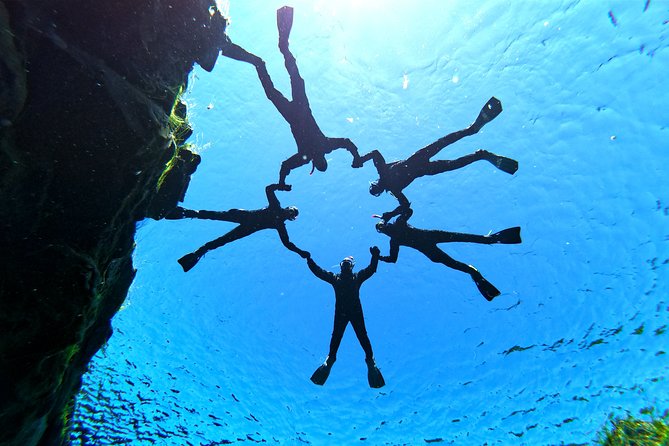
This booking is for the drysuit experience. The operator also offers a wetsuit option through another listing, and both types may be used in the same group.
The drysuit is the better choice if you are not a highly confident swimmer or if staying warmer is your priority. It keeps your main body protected from the cold and is the option most likely to make the water manageable for a wider range of participants.
The wetsuit is suggested for confident swimmers who want the chance to move more freely or possibly swim below the surface. That option is also aimed at scuba divers who do not hold the certifications required for the scuba activity. It is not simply a warmer or easier version, so choose according to your swimming ability and tolerance for cold.
The drysuit has drawbacks. It can feel constricting around the neck and wrists, and one participant reported a leak at the back. The company says minor leaks can occur and that the equipment is inspected and pressure-tested. If you feel water entering the suit, tell your guide immediately rather than trying to carry on quietly.
What the guide adds to the experience
The guide is not just there to lead the route. You depend on that person for suit fitting, safety checks, water entry, pacing, and help if your mask or breathing becomes difficult.
The strongest guide experiences are associated with patience and close attention. Anil was praised for staying with the group at every step. Hugo was noted for clear instruction and good photographs. Niko, Oli, Edgar, Alex, Wilmar, Arnold, and Klaudyna were also praised for helping people feel secure and explaining what was happening.
The quality of the day can depend on the guide’s manner, especially if you are nervous. The supplied guide roster can change, so you should not book expecting a particular person. Still, the operating model is clear: one guide for no more than six participants, with the guide monitoring the group in the water.
English communication is required. Everyone must be able to understand the briefing and tell the guide if there is a problem.
Photos and hot chocolate are worthwhile extras
The included underwater photos add real value to this activity. You cannot easily photograph yourself while wearing the gear, managing your breathing, and keeping up with the group. Having the guide take pictures lets you concentrate on the experience.
The photos also help show the scale of the fissure. Above water, a drysuit and mask can make the day look like an unusual swim in a park. Underwater, the images capture the clear water, rock formations, and the distinctive position between the plates.
At the end, the guide prepares hot chocolate. It is a small touch, but it matters after cold water, wet gloves, and the walk back to the changing area. You then receive instructions on how to access the included photos.
The full three-hour schedule
The advertised duration is about three hours, but only part of that time is spent in the water. A typical sequence looks like this:
- Meet at Silfra in Thingvellir National Park.
- Check in and complete waivers and medical paperwork.
- Change into thermal layers in the heated van.
- Put on the drysuit, gloves, hood, mask, snorkel, and fins with help from the guide.
- Attend a safety and Silfra briefing lasting around 10 to 15 minutes.
- Walk to the entry point and wait if another group is ahead.
- Spend about 40 minutes in the water.
- Walk back, remove the equipment with assistance, and warm up.
- Drink hot chocolate and receive instructions for the photos.
The timing can vary. A smooth day may finish in less than three hours, while a busy period can take longer because of the entry queue. Do not schedule a tight appointment immediately afterward.
Eat breakfast before arriving. There is no food included, and the activity requires more effort than the word snorkeling suggests. Bring water and a snack for afterward, but understand that the supplied information only confirms hot chocolate as part of the tour.
Is $140 a fair price?
At $140 per person, this is not a cheap casual outing. The price makes more sense when you consider what is included: a PADI divemaster, specialized cold-water equipment, thermal gear, a small group, underwater photos, and hot chocolate.
You are also paying for access to an unusual natural site with equipment that would be impractical to arrange on your own. The guide’s role is important because the suit must be fitted and the group must be monitored in cold water.
The value drops if you expect a long swim. The water time is roughly 40 minutes, not three hours, and waiting, dressing, and changing make up much of the day. I would consider the price fair for someone who wants the Silfra setting and the convenience of a guided, equipped experience. It is less compelling for someone who only wants a quick, inexpensive snorkel.
The tour is highly rated overall, with 98 percent of participants recommending it and a 4.9 rating from 1,299 reviews. That strong record should not erase the practical cautions about cold, suit fit, queues, and occasional equipment problems.
Who should book this Silfra experience?
This tour suits you if you:
- Can swim and are comfortable putting your face in cold water.
- Want a memorable geological experience more than a relaxed beach activity.
- Are in good enough health for a cold-water outing.
- Appreciate close instruction and a small group.
- Are willing to spend time getting dressed and walking in bulky equipment.
- Can communicate in English.
- Want photos without carrying your own camera.
You need to be at least 12 years old. Anyone over 65 needs physician approval. Participants must be at least 150 centimeters tall and no more than 200 centimeters, with a minimum weight of 50 kilograms and maximum weight of 120 kilograms.
Do not wear glasses. Use contact lenses or bring your own prescription mask if you have one. All participants must provide age, height, and weight details to the operator and complete a medical form before taking part.
Should you book it?
Book this if swimming between continental plates sounds worth some cold hands, a tight suit, and a slow dressing process. The clearest reasons to go are the extraordinary visibility, the unusual geology, the small groups, and the chance to leave with underwater photos.
Think twice if you dislike enclosed clothing, have claustrophobia, cannot swim confidently, or want a quick activity with little physical effort. Check the weather before setting out, dress warmly for the time spent outside, and leave room in your schedule for a queue.
For most fit participants who prepare properly, Silfra offers something difficult to duplicate elsewhere. Just book it with realistic expectations: the setting is extraordinary, but the route to that quiet underwater world is cold, awkward, and carefully managed.
FAQ
Where does the Silfra snorkeling tour meet?
It meets at Silfra Adventure Vikings in Thingvellir National Park, at 806 Thingvellir, Iceland. The park is about 50 kilometers from Reykjavik.
How long does the experience take?
The full activity takes approximately three hours. The time in the water is around 40 minutes, with the rest used for check-in, dressing, safety instruction, walking, changing, and hot chocolate.
How cold is the water?
The water is about 2 C, or approximately 35 F. Your drysuit is intended to keep your body mostly dry, but your hands and face are exposed to the cold.
Do I need snorkeling or scuba certification?
No certification is required. You must know how to swim and feel comfortable in water. A PADI divemaster, instructor, or equivalent guide leads the activity.
What equipment is included?
The tour includes snorkeling equipment, drysuits, wetsuits and other required equipment for the selected experience. The drysuit booking also includes a guide, underwater photos, and hot chocolate.
What should I wear under the drysuit?
Wear long thermal underwear and thick wool socks. Dress for the weather outside, and bring a change of clothes because the drysuit has a small chance of leaking.
Can I wear glasses?
No. You should wear contact lenses or bring your own prescription mask if you have one.
Is there a minimum age?
The minimum age is 12. Participants over 65 need approval from a physician.
How large are the groups?
Each guide can assist one group of up to six participants. Up to three separate groups may be present during the activity.
Can I cancel for a full refund?
You can cancel at least 24 hours before the local start time for a full refund. Changes or cancellations made less than 24 hours before the start time are not accepted for a refund. If poor weather causes the operator to cancel, you can choose another date or receive a full refund.
Just added in Reykjavik
- 2-Day South Coast, Blue Ice Cave, Glacier Lagoon Tour★ 5.0 · 4 reviews
- 1-Hour Helicopter Tour in Iceland: The Geothermal Tour★ 4.9 · 263 reviews
- Reykjavik: Countryside Guided ATV Tour with Transfers★ 4.8 · 272 reviews
- Midnight Sun ATV Adventure from Reykjavik★ 5.0 · 112 reviews
- 8-Day Iceland Ring Road Tour: Reykjavik, Akureyri, Golden Circle & South Coast★ 4.5 · 81 reviews
- Helicopter Tour with Mountain Summit Landing from Reykjavik★ 5.0 · 243 reviews
- Magical Whales in the Midnight Sun | from Reykjavik★ 4.5 · 91 reviews
- Iceland Volcanic Eruption Area Helicopter Tour from Reykjavík★ 4.5 · 196 reviews
Silfra Snorkeling & Diving, compared.
Snorkeling Between Tectonic Plates – Meet on Location
Read our review →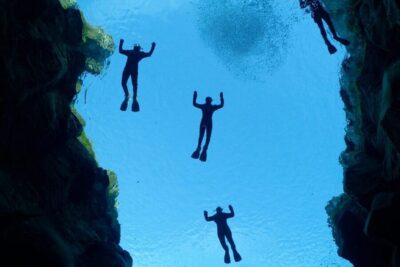
Silfra Fissure Snorkeling between Two Continents
Read our review →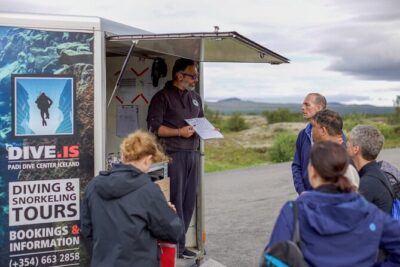
Snorkeling Between Tectonic Plates Pick Up from Reykjavik
Read our review →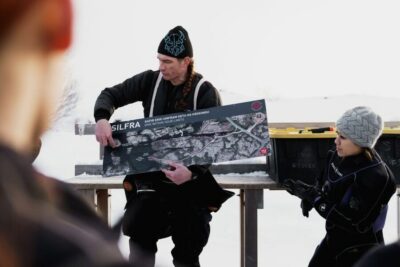
Half-Day Snorkeling Day Trip with Underwater Photos
Read our review →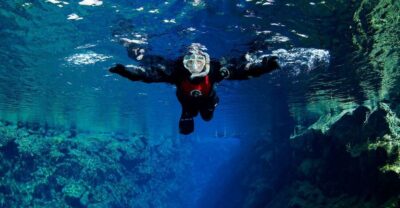
Silfra Drysuit Snorkeling Tour with Free Photos – From Reykjavik
Read our review →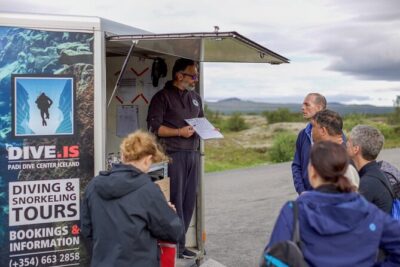
Diving Between Tectonic Plates and Pick Up from Reykjavik
Read our review →
Golden Circle & Snorkeling in Silfra From Reykjavík with Free Photos
Read our review →Browse the lists this tour appears in