
Reviewed · NORTHERN LIGHTS TOURS
Aurora Reykjavík, The Northern Lights Center Museum Visit
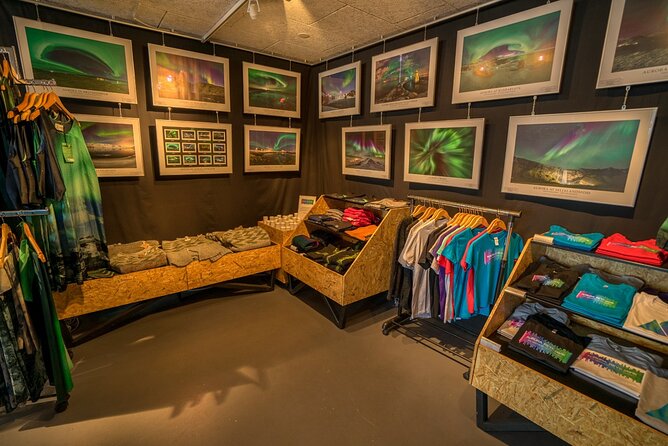
Aurora Reykjavík gives you a reliable way to see the northern lights when clouds, daylight, or plain bad luck get in the way. The star attraction is the 360-degree virtual reality experience, but the museum also explains the science and folklore behind the aurora instead of treating it as a pretty light show.
I like two things in particular. First, the 30-minute 4K film shows real auroras recorded across Iceland, so you get a strong sense of their changing colors and shapes. Second, the practical photography station helps you understand how to read the forecast and adjust your camera before heading outside.
The main drawback is size. This is a small, self-guided museum, and some people may expect a large wraparound theater from the promotional images. The VR section is viewed while seated, which can feel less dramatic than a full-room projection.
Key points to know before you go
- A dependable aurora experience: You can see northern lights displays even during summer, cloudy weather, or a disappointing aurora forecast.
- Real Iceland footage: The 4K film runs for about 30 minutes and features auroras recorded in different parts of Iceland.
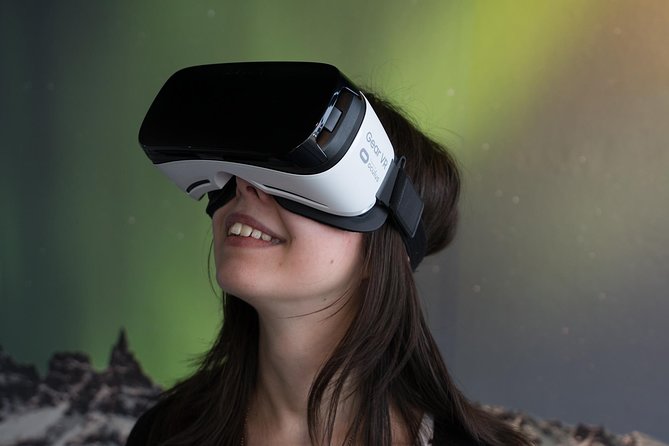
- A seated 360-degree VR show: The virtual reality section lets you look around at northern lights above the Icelandic wilderness.
- Useful camera practice: You can work through camera settings and learn how to improve your chances of taking a clear aurora photo.
- Self-guided museum visit: QR codes provide audio information, but you need to bring headphones or buy them at the desk.
- Easy city stop: The center is near public transportation and takes roughly one hour, making it simple to fit into a Reykjavik day.
What Aurora Reykjavík is really for
Aurora Reykjavík is best understood as preparation, explanation, and insurance against bad weather. It cannot replace standing outside beneath a real aurora, but it can help you understand what you are hoping to see and give you a satisfying northern lights experience when nature does not cooperate.
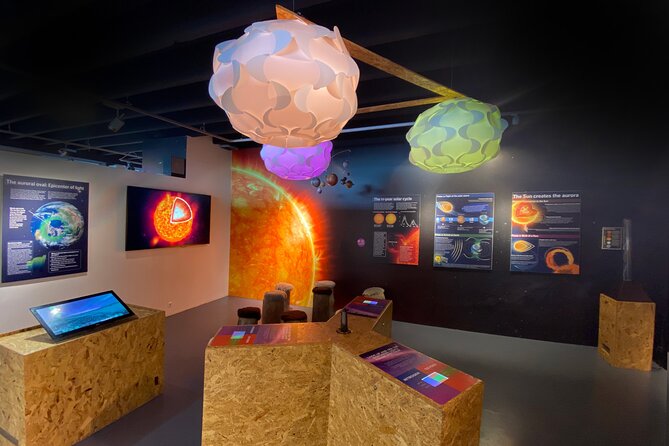
The museum covers both the cultural and scientific sides of the phenomenon. You learn about northern lights myths and folklore from Arctic cultures and other parts of the world. Then the exhibits turn to the physical process behind the lights, their origin, and the way the human eye sees them.
That mix matters. Many visitors first meet the aurora as a photograph: a ribbon of bright green, purple, or pink across a black sky. The museum helps you understand why real displays may look softer to your eyes than they do in a long-exposure photograph, and why the color and movement can vary so much.
The visit is self-guided, so you set your own pace. If you are interested in astronomy, you can spend more time with the science. If you mainly want the film and VR, you can move through the information areas more quickly.
More after-dark aurora hunts out of Reykjavik:
- Iceland: Northern Lights Bus Tour from Reykjavik
★ 4.1 · 11,161 reviews - Small-Group Premium Northern Lights Tour from Reykjavik
★ 4.4 · 2,977 reviews - #1 Northern Lights Tour In Iceland from Reykjavik with PRO photos
★ 4.5 · 2,887 reviews
Starting with myths, science, and the human eye
The opening exhibits place the northern lights in a wider human story. You see how people in Arctic regions and elsewhere have explained the lights through folklore, belief, and local tradition.
This section gives the museum some warmth. The aurora is not only a weather forecast symbol or a space-science subject. For centuries, people have watched strange lights move across the sky and tried to make sense of them.
The science displays then provide a useful foundation. You learn about where the aurora comes from and how it forms. The explanation is intended for a general audience, so you do not need a background in physics to follow it.
I especially value the section about human vision. It helps explain why the same display can look different in a photograph and to the naked eye. That is useful before an evening aurora hunt, since you may otherwise expect the sky to look exactly like a highly processed image online.
The museum is fairly compact, so do not expect a large science center with dozens of hands-on stations. It packs a good amount of information into a modest space, but visitors who already know a lot about solar activity may finish the educational displays quickly.
The 4K film offers 30 minutes of real Iceland skies
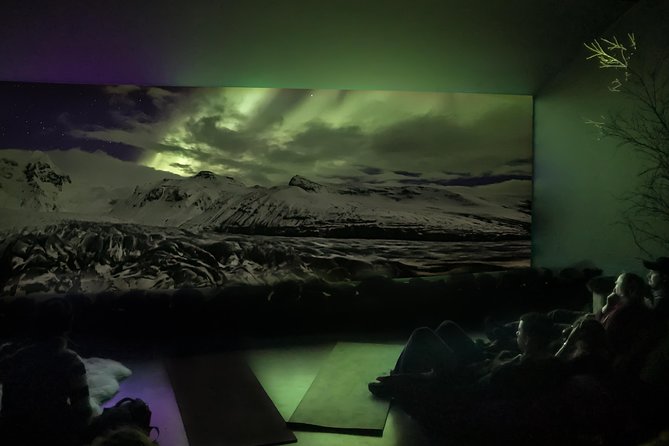
The movie theater is the most restful part of the visit. You can sit back and watch a 30-minute 4K time-lapse film showing auroras over Iceland.
This is not a substitute for being outdoors, but the film gives you something nature often refuses to provide: a steady run of strong displays. You see changing shapes and colors without waiting in the cold or checking the sky every few minutes.
The footage also gives you a sense of Iceland’s scale. The aurora appears over different parts of the country, not just above Reykjavik. For someone planning a northern lights tour outside the city, that broader view can make the experience feel more connected to the rest of Iceland.
The film works particularly well for summer visitors. From late spring into summer, daylight makes a natural aurora sighting impossible or highly unlikely. At the center, you can still see what the phenomenon looks like without worrying about sunset, clouds, or solar activity.
One practical point: the theater is a set part of the museum, but the whole visit is estimated at about one hour. If you watch the full film and take your time with the displays, allow enough room in your schedule rather than treating the admission as a quick 15-minute stop.
The VR northern lights experience
Aurora Reykjavík presents a 360-degree northern lights VR experience that lets you look around while auroras move above you. You view the scene through VR equipment while seated, with Icelandic wilderness settings surrounding the display.
This is the most convincing way inside the museum to get a sense of being beneath the lights. You can turn your head and follow the aurora in different directions, rather than watching a flat image on a wall.
Still, keep your expectations in check. Some promotional material can suggest a large, wraparound room or a projection covering the whole space. The experience described here uses VR goggles, and the seating means you are not walking around inside a full-sized virtual world.
I would treat the VR as a fun visual feature rather than the sole reason to pay admission. It works best after you have learned what the aurora is and watched the Iceland footage. The science tells you what you are seeing, the film shows the real phenomenon, and the VR gives you a more personal viewpoint.
The equipment also makes this part less suitable for visitors who want a standing, fully physical experience. If you enjoy virtual reality, you will likely find it worthwhile. If you dislike headsets or expected a giant screen, the result may feel smaller than anticipated.
A few more things to do in Reykjavik worth a look
- Reykjavik: Perlan Museum Wonders of Iceland Entrance Ticket
★ 4.7 · 2,575 reviews - Reykjavík: Hop-On Hop-Off Bus and Perlan Museum Entry Ticket
★ 4.3 · 719 reviews - Reykjavik: Whales of Iceland Museum Entrance Ticket
★ 4.4 · 493 reviews - Reykjavík: National Museum of Iceland Entry Ticket
★ 4.4 · 432 reviews
Practicing the aurora hunt before heading outside
The most useful part for many people is the practical guidance at the end. You learn how to read a northern lights forecast and how to improve your chances of seeing an aurora in nature.
This does not promise success. The museum is clear about the role of patience and luck. A good forecast cannot remove clouds, and strong solar activity does not guarantee a display from your exact location.
That honesty is valuable. You leave with a better idea of what the forecast means and why an organized hunt may involve waiting, driving, or changing plans. The museum cannot control the sky, but it can help you make better decisions.
The photo simulator adds a second practical lesson. You can work through camera settings and learn how to take a northern lights photo. That preparation matters because many first-time photographers arrive with a phone or camera set for ordinary night scenes, then wonder why the result is dark and blurry.
The simulator is also a low-pressure place to experiment. You can think about exposure and settings before you are outside in cold weather, trying to work with gloves and limited light. You may not leave as a professional night photographer, but you should have a better starting point.
A free photo in front of an aurora display may also be available, with the image sent to your email. It is a small extra, but it gives you a personal souvenir even if the natural aurora stays hidden during your stay.
A compact museum, not a full-day attraction
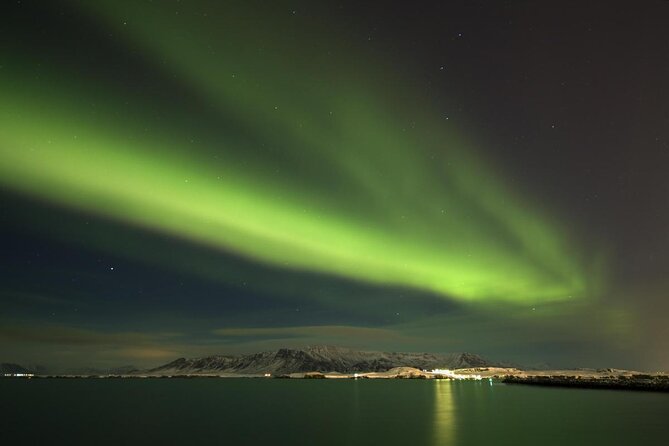
The center is small, and that is both a strength and a limitation. You can see the main material without giving up half a day, but you should not expect an enormous collection of exhibits.
For most people, the one-hour estimate is sensible. You might spend longer if you read every panel, listen to the QR audio guides, watch the full film, and take your time with the VR equipment. If you already know the basic science, you may finish sooner.
This format suits a stop between other Reykjavik activities. It is close to the city center and near public transportation, so you do not need to build an elaborate transfer plan around it. The center is open daily from 10 a.m. to 7 p.m. during the stated operating period, from April 23, 2021 through December 10, 2026.
The QR audio guides add another layer of information, but headphones are not included. Bring your own earbuds or headphones, or purchase them at the desk for an extra fee. That small detail is easy to miss and can affect how much you get from the self-guided material.
The museum allows service animals, and most people can take part. The stated maximum capacity is 500 people, though the experience itself remains a walk-through museum rather than a guided group tour.
Is $33 a fair price?
At $33 per person, the admission is not cheap for a one-hour visit. The value depends on what you want the ticket to do.
If you are booking it as a guaranteed replacement for nature, the price may feel high. No film or VR system can match the surprise of seeing the actual aurora form above you. If you are booking it as a short museum visit with a film, science displays, VR, and camera instruction, the cost is easier to justify.
I find the price most reasonable in three situations. First, it works well during summer, when you cannot rely on dark skies for a natural display. Second, it helps during a cloudy or low-activity stretch when your schedule has not produced an aurora. Third, it suits first-time visitors who want practical information before paying for a separate northern lights outing.
The admission includes taxes and fees. It does not include headphones for the QR audio guides. Free cancellation is available if you cancel at least 24 hours before the scheduled start time. Cancellations or changes made inside that 24-hour window are not refunded.
The center has also had address information that did not always match older tickets and printed material. Check the current location details close to your visit so you do not follow outdated directions.
Who will enjoy this stop most?
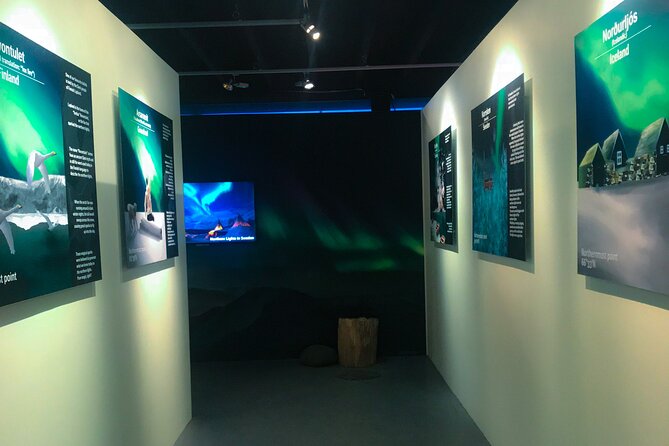
I would recommend Aurora Reykjavík to first-time aurora seekers, summer visitors, families with older children, and anyone who wants a calm indoor activity between outdoor excursions.
It is especially useful if you are unsure how the northern lights work or how to photograph them. The displays are easy to follow, and the combination of mythology, science, film, VR, and camera practice gives the visit more substance than a simple video screening.
Older children with a strong interest in space or science should find plenty to hold their attention. Very young children may lose interest because the museum is small and much of the experience involves reading, listening, watching, or sitting with VR equipment.
The center also suits solo visitors. You can move through the exhibits at your own speed, and the self-guided format avoids the need to match a group’s pace. Staff at the reception and gift shop can help with questions and souvenirs. Sebastian has been noted as a welcoming member of the front desk and shop team, though staffing can change.
You may be less satisfied if you already know the aurora science well, dislike VR headsets, or expect a large theater with a wall-to-wall projection. In that case, the film and practical photo station may not be enough to justify the price.
Should you book Aurora Reykjavík?
Book it if you want a dependable northern lights experience in Reykjavik, especially during summer or a spell of poor weather. The film is the safest bet, the VR adds a fun 360-degree view, and the photography station gives you advice you can use outside.
Do not book it expecting nature to be recreated perfectly. The museum is compact and self-guided, and the VR is viewed while seated rather than inside a giant projection room.
For me, the strongest reason to go is not the promise of artificial auroras. It is the chance to understand what you are seeing, prepare your camera, and enjoy real Iceland footage even when the sky refuses to cooperate. At $33, that makes sense for many visitors, but it works best as a useful Reykjavik stop and backup plan, not as a replacement for a clear night under the real lights.
FAQ
How long does the Aurora Reykjavík visit take?
The visit lasts approximately one hour, depending on how long you spend with the displays, film, QR audio guides, and VR experience.
What does the admission cost?
The listed price is $33 per person.
Is the experience guided?
No. Aurora Reykjavík is a self-guided museum visit. QR audio guides provide additional information.
Are headphones included?
No. You need to bring your own headphones or purchase them at the desk for an additional fee.
Is the 4K film included?
Yes. Admission includes access to the 30-minute 4K time-lapse film showing auroras recorded over Iceland.
Is the VR experience included?
Yes. The visit includes the 360-degree northern lights virtual reality experience.
Can I learn how to photograph the northern lights?
Yes. A northern lights photo simulator helps you adjust camera settings and practice taking an aurora picture.
Is the museum open during summer?
Yes. The museum is listed as open daily from 10 a.m. to 7 p.m. during the stated operating period.
Can I cancel for a full refund?
Yes. You can receive a full refund if you cancel at least 24 hours before the experience start time. Cancellations within 24 hours are not refunded.
Is Aurora Reykjavík accessible by public transportation?
Yes. The center is near public transportation, and most people can participate. Service animals are allowed.
Just added in Reykjavik
- 2-Day South Coast, Blue Ice Cave, Glacier Lagoon Tour★ 5.0 · 4 reviews
- 8-Day Iceland Ring Road Tour: Reykjavik, Akureyri, Golden Circle & South Coast★ 4.5 · 81 reviews
- Helicopter Tour with Mountain Summit Landing from Reykjavik★ 5.0 · 243 reviews
- Magical Whales in the Midnight Sun | from Reykjavik★ 4.5 · 91 reviews
- Iceland Volcanic Eruption Area Helicopter Tour from Reykjavík★ 4.5 · 196 reviews
- 1-Hour Helicopter Tour in Iceland: The Geothermal Tour★ 4.9 · 263 reviews
- Reykjavik: Countryside Guided ATV Tour with Transfers★ 4.8 · 272 reviews
- Midnight Sun ATV Adventure from Reykjavik★ 5.0 · 112 reviews
Northern Lights Tours, compared.
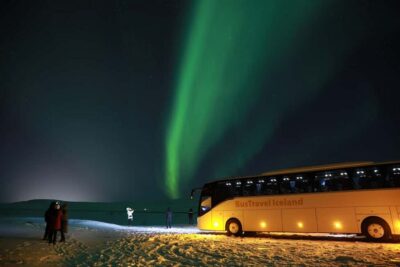
Small-Group Premium Northern Lights Tour from Reykjavik
Read our review →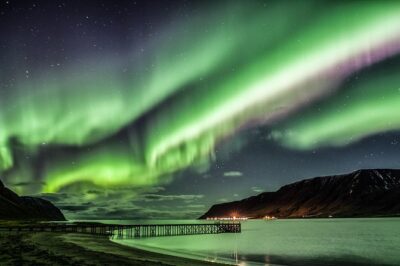
#1 Northern Lights Tour In Iceland from Reykjavik with PRO photos
Read our review →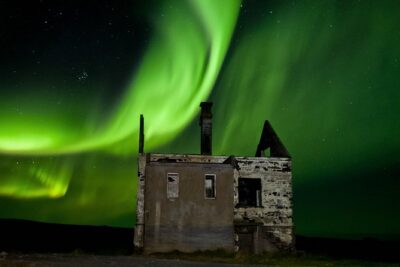
Northern Lights Small-Group Tour with Hot Chocolate & Photos
Read our review →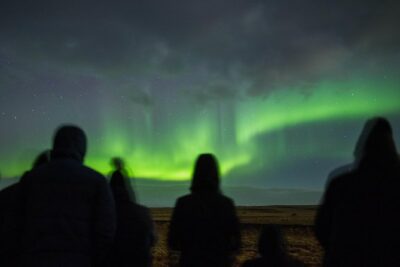
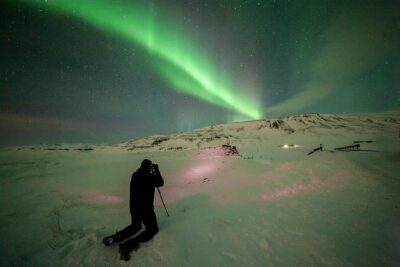
Northern Lights Bus Tour from Reykjavik with Hot Chocolate
Read our review →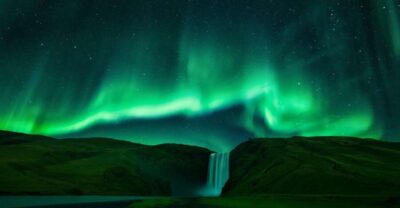
Browse the lists this tour appears in