
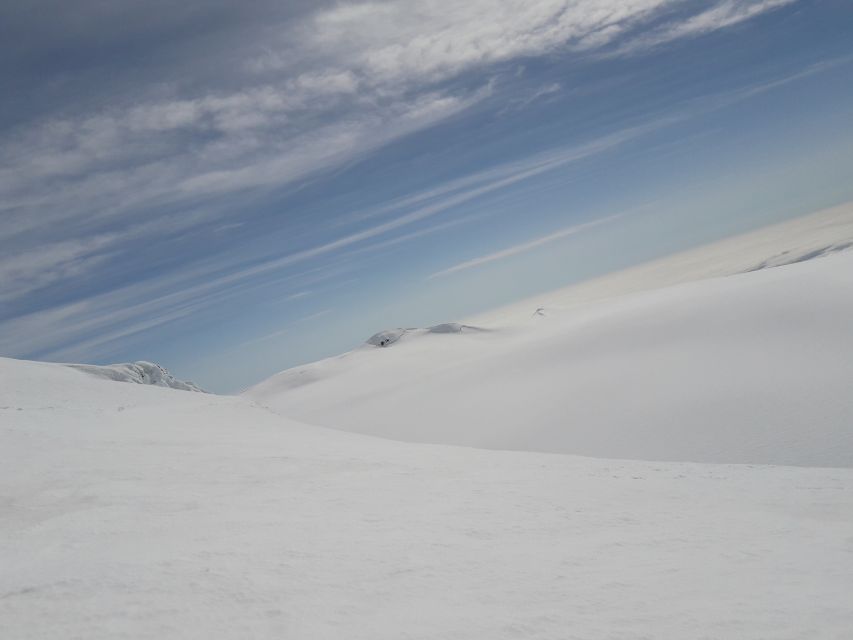
Reviewed · HIKING & TREKKING
Skaftafell: Hvannadalshnjúkur Glacier Guided Hike
Hvannadalshnjúkur is Iceland’s highest summit, and reaching it means committing to a full mountain day on the country’s largest glacier. This is not a casual walk in Skaftafell. It is a long, demanding climb with a clear prize at the top: snow, ice, and broad views across Iceland’s high country.
I like the small group of six or fewer, which gives the guide room to match the pace to the people on the rope. I also like the practical progression from rock and gravel to harnesses, rope, and crampons. The catch is simple: 13.5 hours is a serious day out, and the guide can turn you around if your fitness is not strong enough for the group’s safety.
Key points to know before booking
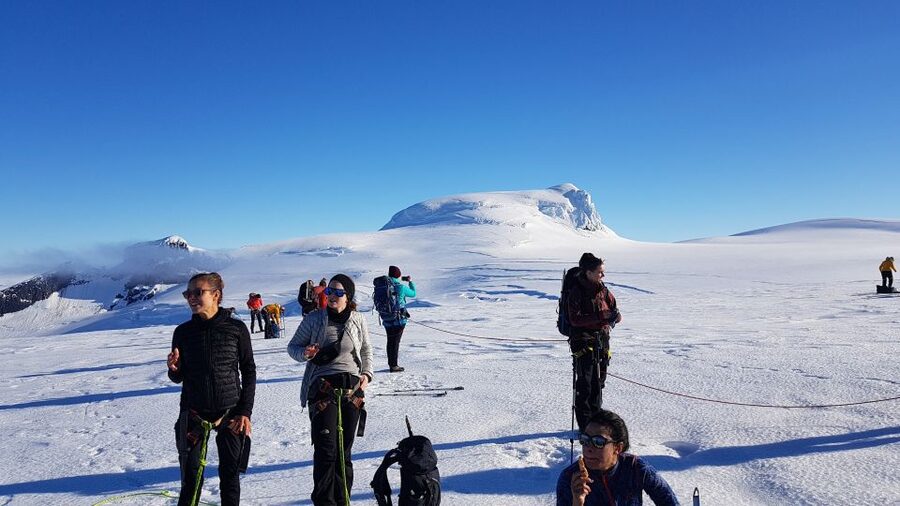
- Iceland’s highest summit: You climb Hvannadalshnjúkur, not just the lower glacier paths around Skaftafell.
- A full-day mountain effort: Plan for roughly 10 to 14 hours of hiking, with the listed duration at 13.5 hours.
- Small-group guiding: The group is limited to six participants, with English and Icelandic guiding.
- Rope and crampon work: You begin over gravel, rock, and snow, then use a harness, rope, and crampons higher up.
- Summit views: On a clear day, you can see Hrútfellstindar, Þumall, and part of the Vatnajökull ice cap.
- Bring your own food: A professional guide and glacier equipment are included, but food, drinks, hotel pickup, and personal clothing are not.
What climbing Hvannadalshnjúkur really involves
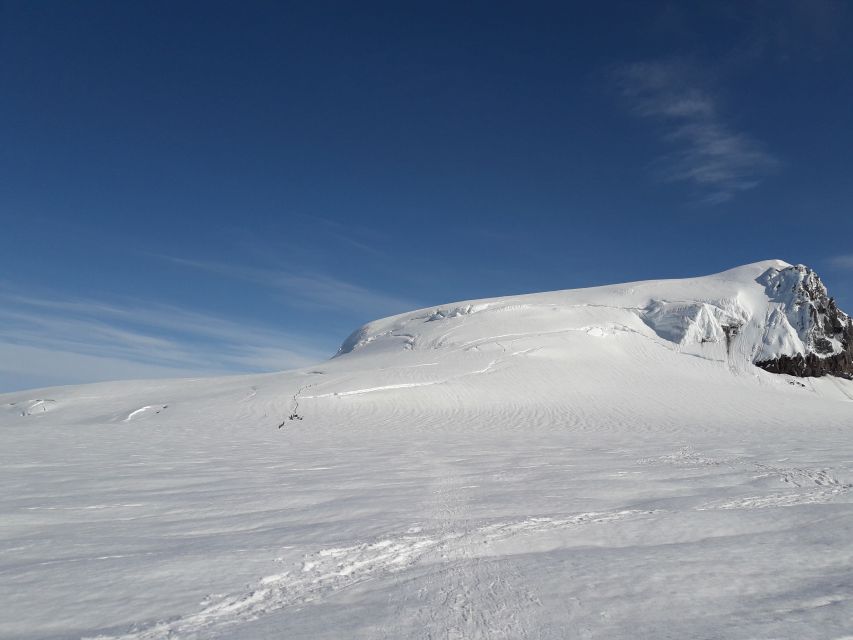
This hike gives you a rare chance to aim for a named summit rather than simply wander across a glacier. Hvannadalshnjúkur rises within the Skaftafell area and forms part of the great Vatnajökull ice cap. The appeal is the scale of the day: you move from ordinary mountain ground into a glaciated world, then finish on the summit plateau.
The route is described as lightly challenging, but that phrase needs context. The challenge comes less from technical climbing and more from the combination of duration, elevation, changing ground, cold conditions, and the need to keep moving for many hours. A 10-hour day is already long for a fit hiker. Fourteen hours can feel like a different sport.
You should see this as a mountaineering expedition for fit hikers, not as a scenic park stroll. The guide handles the glacier equipment and rope system, but you still need to carry yourself uphill, manage your clothing and water, and stay alert late in the day.
A few more things to do in Iceland worth a look
- Skaftafell: Ice Cave Tour and Glacier Hike
★ 4.5 · 1,746 reviews - Skaftafell National Park: Falljokull Glacier Easy Hike
★ 4.7 · 1,370 reviews - Reykjavik: Glacier Hike, Waterfalls and Black Sand Beach
★ 4.8 · 1,285 reviews
An early start at Skaftafell
The meeting point is at Sandfell öræfi, identified by the location code 228M+J5V. There is no hotel pickup, so you need to arrange your own way to the start. The exact departure time can be flexible according to the group’s experience, with the aim of reaching the summit around 1:00 PM.
That target explains the early start. You leave in the morning and spend the first part of the day gaining ground before the final summit push. Your guide goes over the plan, explains how the equipment works, and talks through your experience level before the climb gets serious.
I appreciate this setup. A long mountain day benefits from a calm briefing before everyone is tired and cold. It also gives the guide a chance to understand the group rather than treating every booking as identical. Still, a flexible departure time does not mean you should arrive casually. A 13.5-hour outing leaves little room for a late start.
From gravel and rock to snow
The lower route begins over gravel, rocks, and snow. This gradual change matters because you do not step straight onto a technical glacier route. You first get a feel for the mountain, your footwear, and the rhythm of the climb.
At several points, you stop for snacks, lunch, and water. These breaks are useful, but they are not an excuse to underpack. Food and drinks are not included, so you need enough for a very long day. Carrying a daypack is required, and you should keep your food easy to reach without unpacking everything on the trail.
The lower section may feel straightforward at first, yet it is where you establish the pace that will carry you to the summit. I would avoid racing early. Saving energy for the final climb is more important than gaining a few minutes near the start.
Your footwear also matters from the beginning. Hiking shoes are required, along with warm clothing and rain gear. The route moves through exposed mountain conditions, and Iceland’s weather can make a manageable trail feel much tougher. Sunglasses belong in the same category as safety equipment here, not just holiday accessories.
Roped glacier travel near the reef
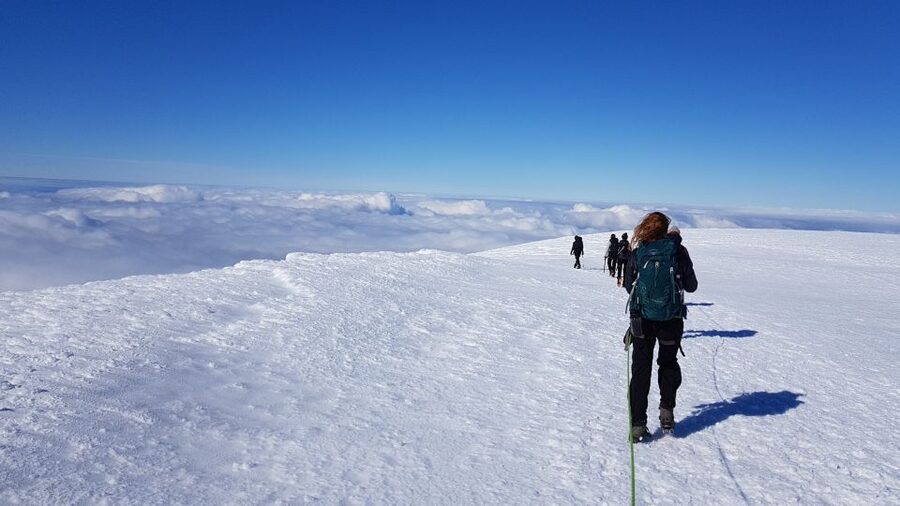
At the reef, you put on harnesses and rope up for the steeper and more glaciated ground ahead. This is the point where the trip changes character. You are no longer simply walking over rough mountain terrain. You are moving as part of a guided rope team.
All glacier gear is included, which is a major part of the price. The guide handles the equipment needed for this section and explains how it works. You should still listen closely and follow instructions exactly. Roped travel works because everyone keeps the same pace and pays attention to the group.
The small group helps here. With no more than six participants, the guide can watch the rope team more closely and make adjustments when needed. That does not remove the physical demands, but it should make the day more personal than a large group outing.
The rope section may also be one of the most memorable parts for you. It gives the climb a real expedition feel without requiring you to provide your own glacier kit. Still, do not confuse included equipment with an easy route. The gear supports the climb. It does not do the climbing for you.
Same base, a different kind of day out:
- Reykjavik: Golden Circle Full-Day Tour with Kerid Crater
★ 4.8 · 24,485 reviews - Reykjavik Food Walk – Local Foodie Adventure in Iceland
★ 5.0 · 18,952 reviews - Iceland: Northern Lights Bus Tour from Reykjavik
★ 4.1 · 11,161 reviews - Reykjavík: South Coast Waterfalls, Black Sand & Glacier Tour
★ 4.8 · 11,030 reviews
Lunch before the final push
After the morning ascent, you stop for lunch before reaching the plateau to the summit. This pause breaks the day into useful sections. You have the lower mountain behind you, but the summit remains ahead.
Because lunch is not supplied, you need to bring food that works in cold conditions and can be eaten during a planned stop. The tour information does not specify the exact food arrangements or facilities, so keep your plan simple and practical. Water is equally important. Bring enough for a long day, with the understanding that the guide will also stop for water breaks.
This is a good time to check your layers, gloves, rain gear, and camera. The route ahead is the final major effort, and small problems become more annoying when you are tired. You want to start the last section warm, fed, and ready for the crampons.
The midday summit goal also shapes the experience. Reaching the top around 1:00 PM gives you a planned objective rather than an open-ended climb. Weather and group condition still matter, and the guide controls the final call.
Crampons and the summit plateau
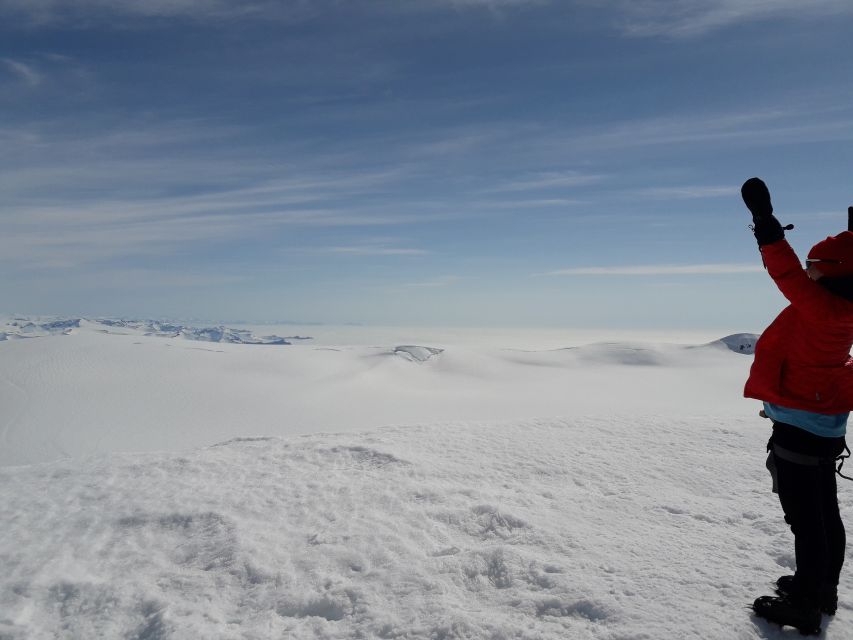
Before the summit push, you put on crampons. This equipment gives you traction on the snow and ice, but it also changes how you walk. Follow the guide’s instructions and keep your steps controlled. The final section is not the place to hurry.
The plateau leading to the summit is the reward for the long approach, but it should not be treated as an effortless finish. By this point, you may already have spent many hours climbing. The crampon section asks for concentration when your legs are tired.
A clear day can make the final approach special. You may see Hrútfellstindar, Þumall, and parts of the Vatnajökull ice cap from the summit area. These are the kinds of views that justify the long approach. They also depend on visibility, so you should book this for the challenge and the setting, not on the promise of a perfectly open view.
Bring a camera if you have room for it. Just keep it secure and accessible. The mountain day should not turn into a constant equipment shuffle, especially while roped or wearing crampons.
What the descent feels like
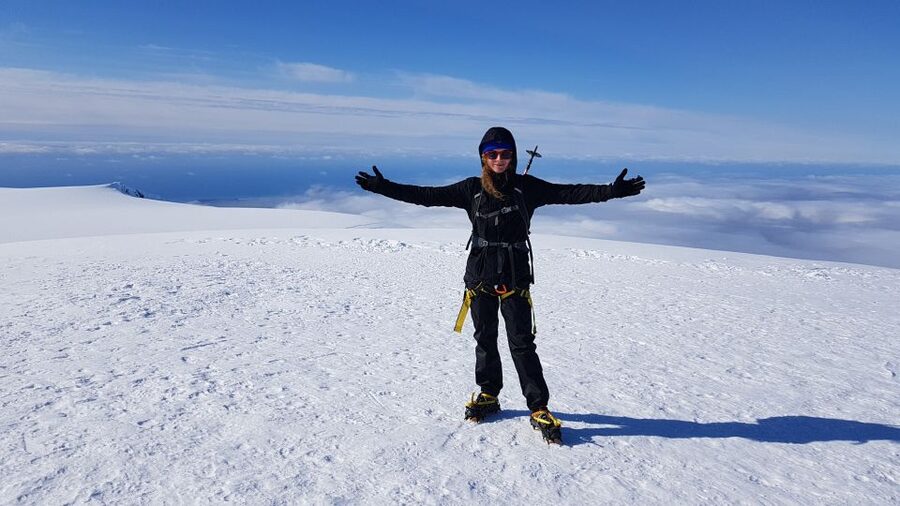
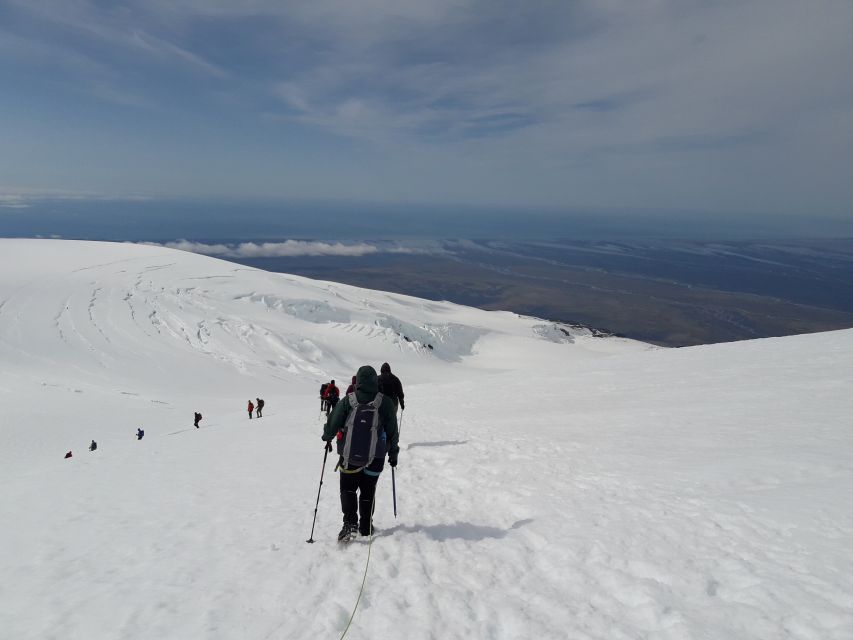
After time at the top, you return by hiking down the mountain. The descent is expected to take less time than the ascent, which is welcome after such a long climb. It is still not a quick stroll. Tired legs, loose rock, snow, and changing surfaces can make downhill travel demanding in a different way.
Your focus shifts from gaining height to moving safely and steadily. Keep your pace under control, particularly on uneven ground. The guide may adjust the rhythm to protect the group’s energy and safety.
The return to the meeting point completes an unusually long day. You should expect to be tired when you arrive back at 228M+J5V. That is part of the nature of the experience, not a sign that something went wrong. This is a summit day with a long approach and return, not a short activity fitted between other sightseeing stops.
The value of a $766 price
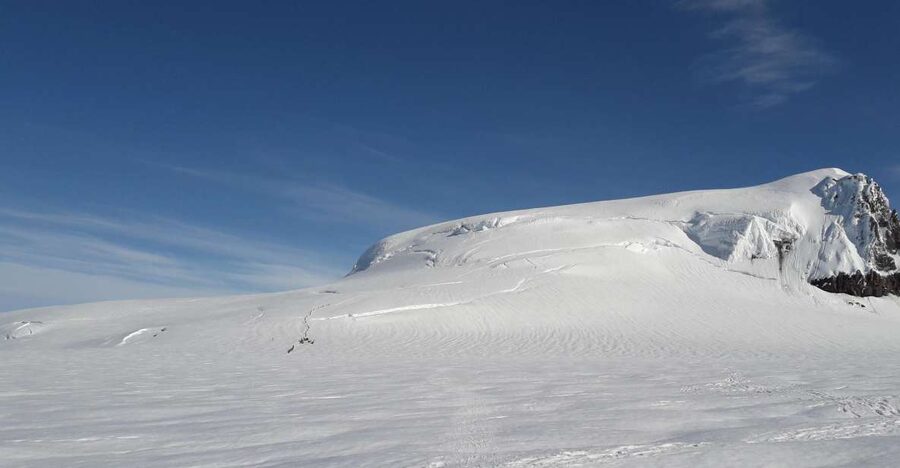
At $766 per person, this is an expensive Iceland activity. The cost needs to be judged against what you are buying: a professional mountain guide, glacier equipment, a small group capped at six, and a full guided attempt on Iceland’s highest summit.
The small group is especially important. A six-person limit gives the guide a manageable team for rope travel and makes it easier to assess fitness and progress. A much larger group could change the pace and reduce the personal attention that matters on a demanding climb.
You are not paying for a short scenic walk. You are paying for a specialist day that includes a long approach, technical glacier equipment, route management, and a guide responsible for turning people back when safety requires it. That safety decision is part of the service, even if it disappoints someone who has traveled a long way for the summit.
The price does not cover food, drinks, hotel pickup, or your personal clothing. Add those costs and plan the transport to Sandfell öræfi. For someone who wants the summit and does not own glacier gear, the package can make sense. For someone mainly seeking ice views, a shorter and less demanding excursion may offer better value.
Who should book this summit day
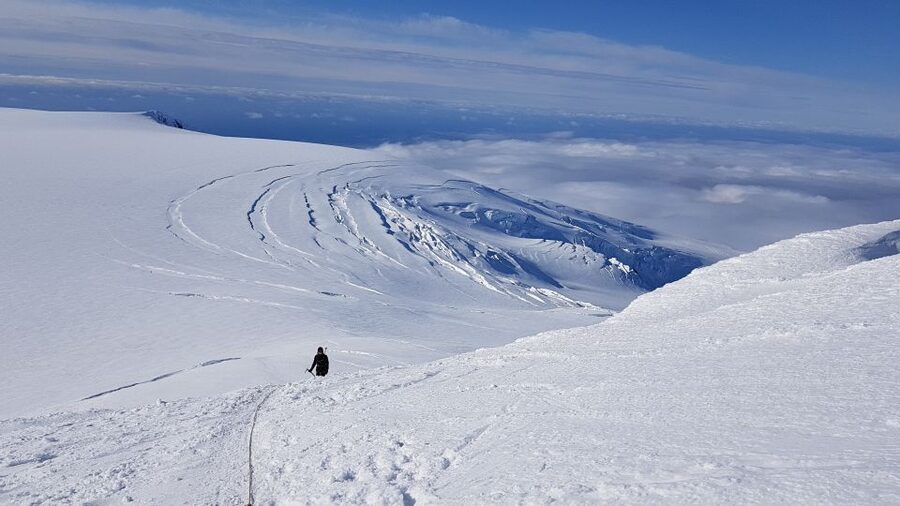
You should consider this trip if you are in good shape, comfortable with a very long hiking day, and motivated by reaching a high summit. The strongest match is a fit hiker who values the achievement as much as the scenery.
You should also be comfortable with changing ground and mountain equipment. The route uses gravel, rocks, snow, a harness, a rope, and crampons. You do not need to bring the glacier gear, but you do need to learn how to use it and follow the guide’s directions.
This is not suitable for pregnant women or wheelchair users. The guide can turn you around if your condition puts you or the group at risk. That rule may sound strict, but it is sensible on a long, roped glacier outing where one struggling participant can affect everyone.
The experience is less suitable if you want a relaxed day, a guaranteed summit view, or a schedule with plenty of spare time. The climb is guided and organized, but it remains a serious physical undertaking.
Practical preparation for the 13.5-hour day
Pack warm clothing in layers, rain gear, sunglasses, hiking shoes, a daypack, food, and drinks. The supplied requirements are basic, but each item has a job. Warm layers help during stops, rain gear protects you when conditions shift, and sunglasses reduce glare on snow.
Do not treat the daypack as a place for unnecessary extras. Keep it light enough for a full day, but large enough for food, water, and spare layers. Your camera can come along, though it should not interfere with the rope system or crampon work.
You should also prepare mentally for a slow, steady effort. The Danish description of the hike as hard but fantastic fits the nature of the route well. The Swedish assessment of professional guides also points to the importance of trusting the guiding team, particularly during the equipment changes and summit decisions.
English and Icelandic are available. Alcohol and drugs are not allowed, and that rule is especially important on a route involving ropes, crampons, and group safety.
Should you book Hvannadalshnjúkur?
Book it if reaching Iceland’s highest summit is a central goal of your trip and you have the fitness for a 10 to 14-hour mountain day. The professional guiding, glacier gear, flexible start planning, and group limit of six give the experience a strong structure.
Think twice if you mainly want a quick taste of Skaftafell or if you dislike long days with uncertain visibility. The $766 cost is hard to justify for casual sightseeing, especially since food, drinks, transport, and personal gear are extra.
For the right person, this is a focused summit expedition with real physical rewards. Go prepared, start rested, bring enough food and water, and accept that the guide’s safety decision outranks the summit goal. That is the fair trade for taking on one of Iceland’s biggest mountain days.
FAQ
How long does the Hvannadalshnjúkur hike take?
The listed duration is 13.5 hours. The hiking time can range from about 10 to 14 hours, depending on the group and conditions.
Where does the tour meet?
The meeting point is Sandfell öræfi, identified by the location code 228M+J5V. Hotel pickup is not included.
What is included in the price?
A professional mountain guide and all glacier gear are included.
Do I need to bring food and drinks?
Yes. Food and drinks are not included, so bring enough for the long day, including snack and lunch stops.
What equipment and clothing should I bring?
Bring warm clothing, sunglasses, hiking shoes, rain gear, and a daypack. Crampons and other glacier gear are supplied.
How large is the group?
The group is limited to six participants.
Can the guide turn me back during the hike?
Yes. You must be in good shape, and the guide can turn you around if your condition is not strong enough for the safety of the group.
Just added in Iceland
- Akureyri: Whale Watching Shore Excursions★ 4.6 · 250 reviews
- Reykjavik: Whale and Puffin Watching RIB Boat Tour★ 4.6 · 179 reviews
- Reykjavik: Whale Watching Express★ 4.3 · 227 reviews
- Reykjavik: Whale Watching & Lava Show★ 5.0 · 4 reviews
- Akureyri: Whale Watching Tour & Forest Lagoon Entrance★ 3.8 · 4 reviews
- Volcano Movie – Experience the Latest Eruptions in Iceland★ 3.6 · 3 reviews
- West Glacial River Family Rafting★ 5.0 · 9 reviews
- Reykjavik: Whale & Marine Adventure Tour★ 4.3 · 71 reviews
Hiking & Trekking, compared.
Skaftafell National Park: Falljokull Glacier Easy Hike
Read our review →
Glacier Hike, Waterfalls and Black Sand Beach
Read our review →
Volcano Eruption Site and Reykjanes Hiking Tour
Read our review →
Guided Afternoon Hiking Tour to New Volcano Site
Read our review →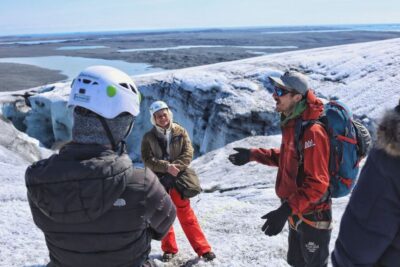
Browse the lists this tour appears in