
Reviewed · HORSE RIDING TOURS
North Iceland: Horseback Riding Tour
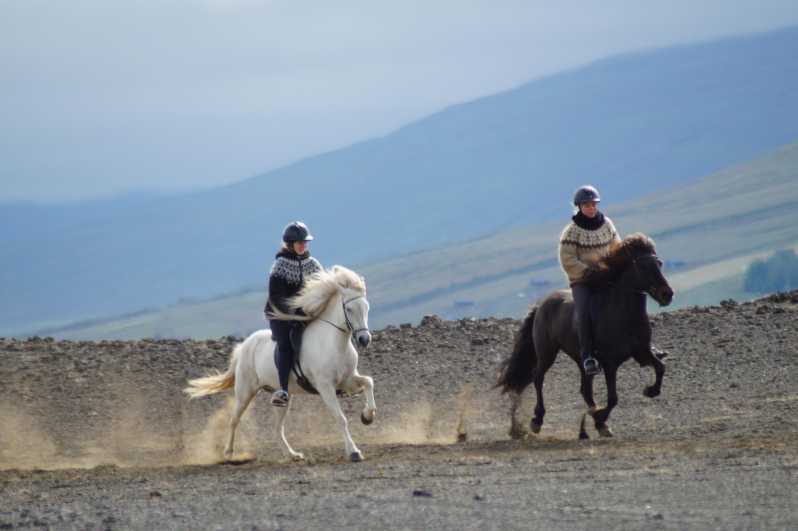
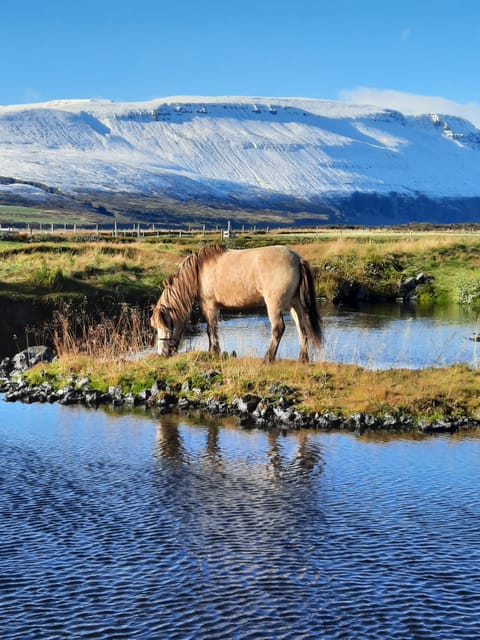
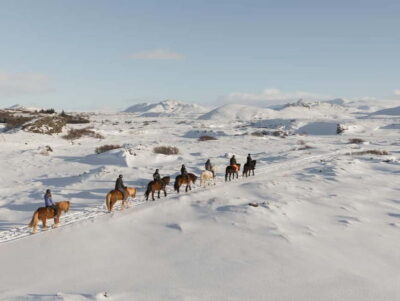
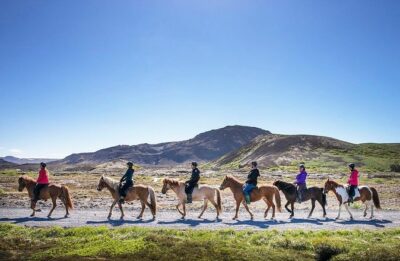
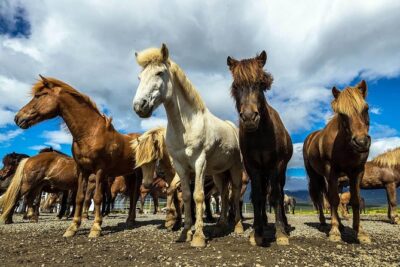
The special thing here is the Icelandic horse, a small, sturdy breed famous for its smooth tölt. In two hours, you ride from farmland to a river, across volcanic ground and black sand, then return through a birch forest. It is a compact way to see several sides of northeastern Iceland without spending a full day in the saddle.
I like the changing scenery and the small group, limited to seven riders. I also like that guides such as Audrey and Anna focus on calm instruction, horse selection, and local stories, which helps first-time riders settle in quickly. The main catch is practical: there is no hotel pickup, and cold, wet weather can make the ride tiring if you arrive in ordinary city clothes.
Key points to know before you book
- Try the tölt: This special Icelandic gait feels smooth and gives you a memorable taste of local riding culture.
- Four very different settings: The route includes a river, a small lake, volcanic rocks, black sand, and birch woodland.
- Good for beginners: You receive an experienced English-speaking guide, a helmet, and riding equipment.
- Small group size: With no more than seven participants, the guide can keep an eye on each rider and horse.
- Plan your own transport: Hotel pickup and drop-off are not included, so check the route to the farm before booking.
- Budget $141 for two hours: The price is fair for a small-group ride with equipment and a guide, especially if you want scenery as well as time on horseback.
A two-hour ride through northeastern Iceland
This is not a quick pony ride around a fenced paddock. The route takes you out into the Icelandic countryside, with enough variety to make the two hours feel like a real outing.
You begin at the farm and ride toward the river. In summer, cows graze in the fields. In autumn, sheep take their place. That seasonal detail gives the ride a pleasant connection to working farm life, rather than making it feel like a staged attraction built only for visitors.
The route then follows the river for a while. This is a good point to settle into the horse, watch the ground, and get comfortable with the pace. You should expect a guided ride rather than a free-form gallop. The emphasis is on enjoying the surroundings and handling the horse safely.
Next comes a small lake crossing, followed by volcanic rocks and moss. The footing changes as you go, which makes the ride more interesting but also means you should listen closely to the guide. Icelandic terrain can look soft and inviting while still being uneven under a horse’s hooves.
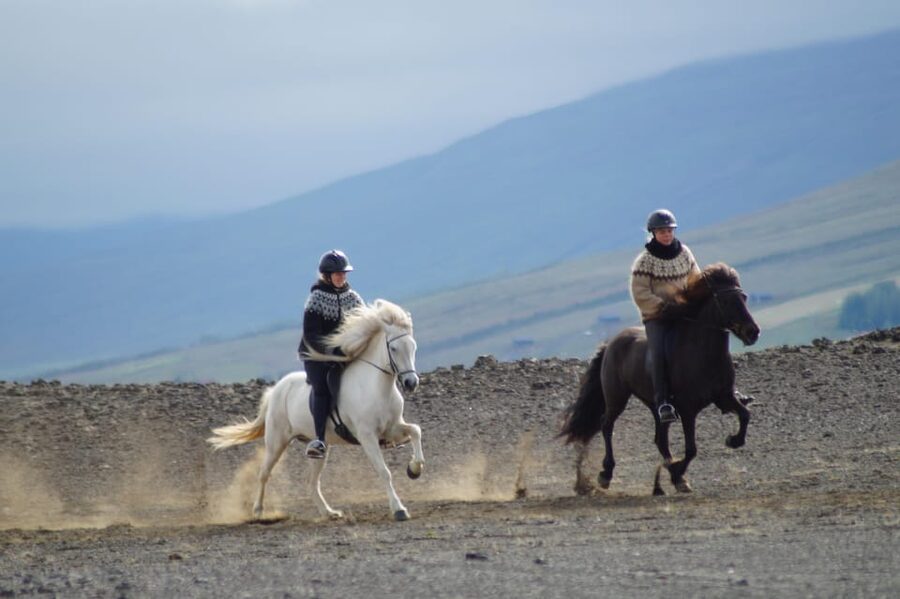
The route reaches a broad plain of black sand. Against the open sky, the dark ground gives the ride a stark Icelandic character. You then head back toward the farm through a natural birch forest, a quieter finish after the exposed sand and lava.
You will not stop at a long list of formal viewpoints. The ride itself is the sightseeing. That works well if you enjoy seeing a place at a slow, ground-level pace. It is less suitable if you want a fast-moving tour packed with major attractions and photo stops.
Other rides on Icelandic horses around Iceland:
- Reykjavik: Red Lava Horse Riding Tour
★ 4.8 · 2,383 reviews - From Reykjavík: Icelandic Horse Riding Tour in Lava Fields
★ 4.7 · 1,356 reviews - Icelandic Horseback Riding Tour with Pickup Option from Reykjavik
★ 5.0 · 1,145 reviews
Why the Icelandic horse makes this ride different
The Icelandic horse is central to the experience, not just the method of transport. It is known for the tölt, a four-beat gait that can feel smoother than a standard trot. You will have the chance to try it during the ride, depending on your ability and the conditions.
For a first-time rider, the tölt is a fun introduction to something specific to Iceland. You do not need to arrive with advanced skills, and the guides explain what to do. Still, riding ability varies from person to person, so you should follow the guide’s pace rather than expecting to spend the whole tour at a faster gait.
The horses are described as gentle and well cared for, and horse selection is handled with the rider in mind. One rider specifically found that a horse named Lisa was a very good match. That sort of pairing matters. A calm horse that suits your size, confidence, and ability can make the difference between enjoying the scenery and spending the ride worrying about every movement.
You should also expect a real physical activity. Two hours in a saddle can leave you sore, even if the ride feels relaxed at the time. One rider was very happy with the tour but noted feeling sore the next morning. Wear comfortable clothing, and do not treat the beginner-friendly label as meaning effortless.
From fields and river to black sand
The route works because the scenery changes in a clear sequence. You start with the familiar sights of a farm: open fields, grazing animals, and the feeling that you are leaving daily life behind one hoofbeat at a time.
The river section adds movement and sound. You follow the water before crossing a small lake, then work through the volcanic rocks and moss. These are the moments when the Icelandic setting feels most distinct. You are not simply looking at distant mountains from a coach window. You are moving across ground shaped by water and volcanic activity.
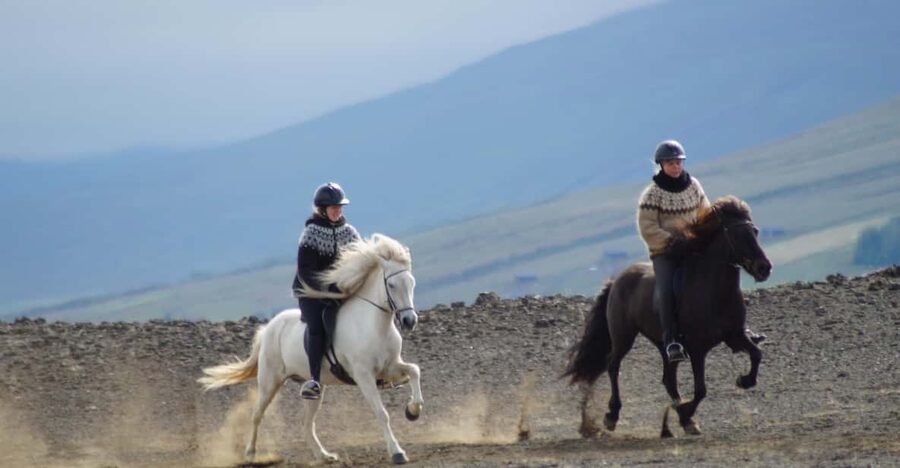
The black sand plain is the most dramatic open section. Its wide, dark surface gives you space to look around, and it can feel very different from the green fields near the farm. Weather changes the mood quickly. In clear conditions, you may get broad views. In rain, mist, or wind, the plain can feel raw and exposed.
The final ride through the birch forest provides shelter and contrast. A natural birch woodland is a modest setting compared with Iceland’s famous waterfalls and glaciers, but that is part of its appeal. You see a quieter side of the country, one made up of low trees, moss, rock, and farmland rather than headline sights.
Because this is a two-hour route, each section is relatively brief. You get variety, not a long stay in any one setting. I would choose this tour for a taste of several environments, not for a deep exploration of one valley or forest.
A good first ride, with sensible limits
This tour is designed for beginners and advanced riders. That is useful for couples, families, or mixed-ability groups who want to ride together. The guide can provide basic instruction and keep the group moving at a manageable pace.
The small group size helps. With a maximum of seven participants, the guide has a better chance of noticing nervous riders, checking that everyone is comfortable, and adjusting the pace when needed. That personal attention comes through in the way Audrey is described: patient, encouraging, and attentive to each person in a group of beginners.
Anna is also described as an informative guide who shared details about the area. Other rides had two guides, which may be helpful when the group includes different riding levels, though the number of guides can vary. You should expect English instruction.
Basic physical shape is required. You need to mount, sit securely for two hours, and handle the normal movement of a horse over uneven ground. The activity is not suitable for pregnant women, people with back problems, or people with animal allergies.
If you have never ridden, tell the guide clearly at the start. There is no advantage in pretending to be more confident than you are. A calm, honest introduction gives the guide better information for choosing a horse and setting expectations.
Same base, a different kind of day out:
- Reykjavik: Golden Circle Full-Day Tour with Kerid Crater
★ 4.8 · 24,485 reviews - Reykjavik Food Walk – Local Foodie Adventure in Iceland
★ 5.0 · 18,952 reviews - Iceland: Northern Lights Bus Tour from Reykjavik
★ 4.1 · 11,161 reviews - Reykjavík: South Coast Waterfalls, Black Sand & Glacier Tour
★ 4.8 · 11,030 reviews
Weather matters more than the calendar
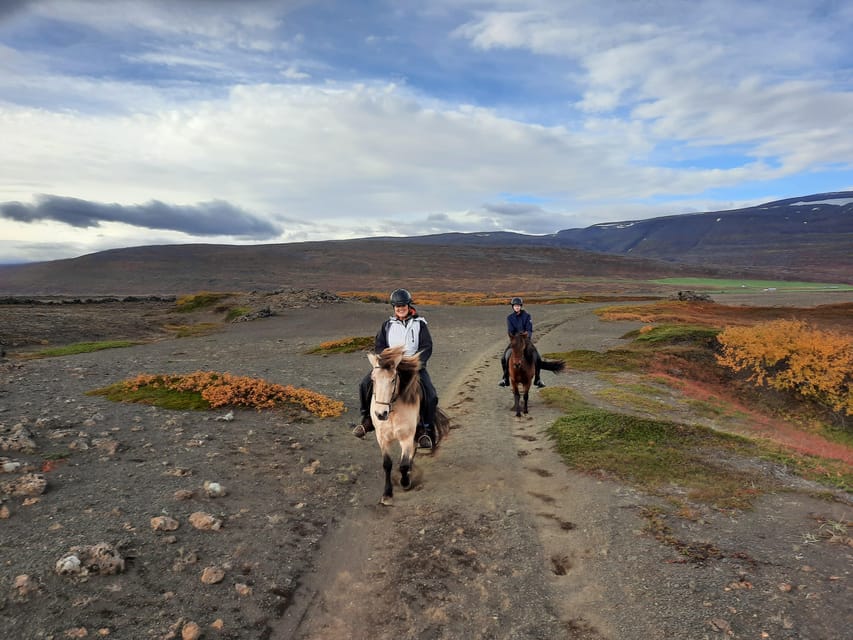
Icelandic weather can change quickly, and this ride is outdoors from beginning to end. Comfortable shoes and comfortable clothes are listed as essentials, but I would go further and dress for wind, rain, and cold even in summer.
One ride took place in very cold, windy, rainy weather, and the operator supplied foul-weather clothing. That was a welcome kindness, but you should not rely on every situation being handled that way. Wear layers and choose clothing that can get dirty or damp.
The activity information asks you to arrive at least 10 minutes early. That gives you time to get organized and meet the guide without rushing. It is especially important if you need to find the farm under unfamiliar conditions.
The seasons also change what you see. Summer brings cows in the fields and likely longer daylight. Autumn brings sheep and a different feel to the countryside. One October ride included snow in some places, so late-season visitors should take cold-weather preparation seriously.
You will not receive food or drinks, so bring what you need for before or after the ride. Since the tour lasts two hours, most people will likely plan around it rather than expect a meal during the activity.
The $141 price and what it covers
At $141 per person, this is not Iceland’s cheapest short activity. The value depends on what you want from the outing.
The price includes two hours on horseback, an experienced guide, a helmet, and riding equipment. You are paying for more than time around the farm: the route covers several types of ground, and the group is capped at seven people. That small-group format is a meaningful part of the price, particularly for beginners who may need extra guidance.
The cost feels stronger if you are interested in Icelandic horses and want a proper countryside ride. It also makes sense if you have limited time and want one activity that combines animals, local terrain, and outdoor sightseeing.
The value is weaker if you are already booking several expensive excursions or if riding is only a minor interest. The tour does not include transport, meals, or drinks, so add the cost and effort of getting to the farm. From a cruise ship, independent transport can be particularly awkward if the ship changes ports or timing. One rider faced exactly that kind of problem, and the operator was flexible, but you should still plan carefully.
Free cancellation up to 24 hours before the start and the option to reserve now and pay later reduce some booking risk. They do not remove the need to check your transport and weather plans.
What to wear and how to prepare
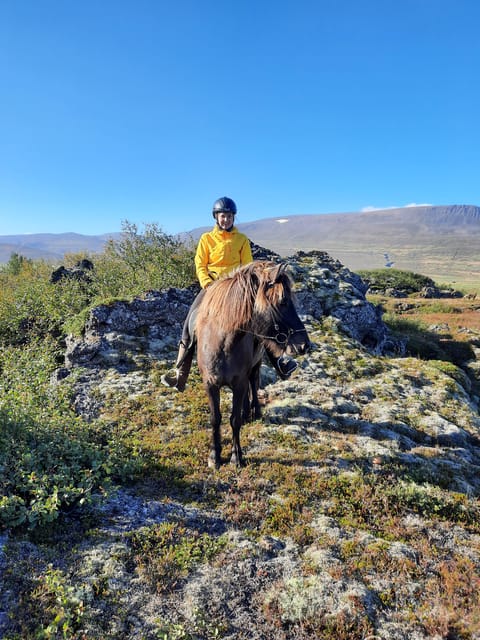
Wear comfortable clothes that allow your legs and hips to move. Avoid anything precious, since riding equipment and outdoor conditions can leave clothing dusty or wet.
Comfortable shoes are required. You should also bring weather-appropriate layers, with a waterproof outer layer and warm clothing if the forecast looks uncertain. Gloves may be useful in colder months, though they are not specifically listed as provided.
Arrive at least 10 minutes before departure. That is not a large time requirement, but it matters at a farm where the group needs to meet, get helmets and equipment, and organize the horses.
You do not need prior riding experience. You do need a basic level of fitness and a willingness to follow directions. If you have back problems, are pregnant, or have animal allergies, choose another activity.
Who will get the most from this ride
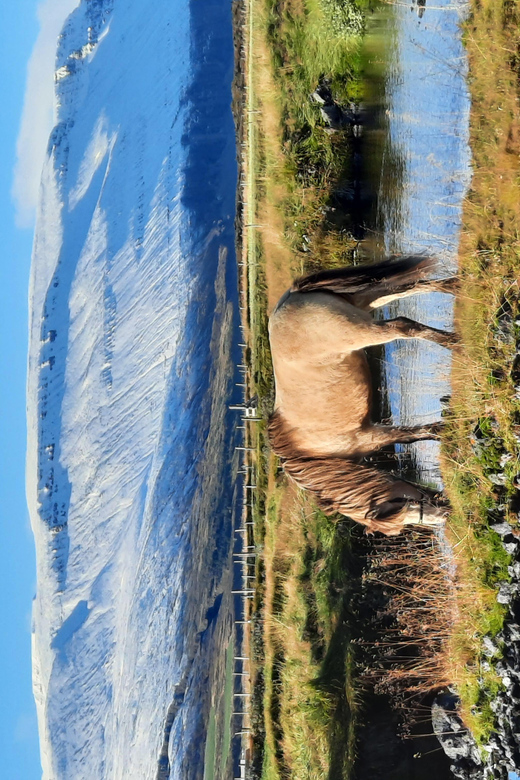
I would recommend this tour to you if you want:
- A small-group horseback ride rather than a large commercial outing
- A first taste of the Icelandic horse and the tölt
- A calm activity with varied scenery
- An outdoor experience that fits into a half day
- A ride suitable for mixed levels of experience
- A way to see farmland and volcanic ground without driving between several stops
Families can enjoy it if everyone meets the physical requirements and is comfortable around horses. Couples will find it more memorable than a standard sightseeing stop, especially if one person is a confident rider and the other is new to horses.
Experienced riders should set their expectations correctly. This is not presented as a fast or technical riding expedition. The appeal is the route, the horses, and the chance to try the tölt, not advanced training or long stretches of speed.
You should skip it if you dislike exposed weather, feel uneasy around animals, or need hotel pickup. You should also think twice if sitting in a saddle for two hours would be difficult.
Should you book the Lava Horses ride?
Book this if you want a friendly, scenic introduction to Icelandic horseback riding and can arrange your own transport to the farm. The strongest reasons are the varied route, the well-matched horses, the small group, and guides who take time with beginners.
I would be less enthusiastic if you are looking for a major sightseeing tour, a long riding day, or a fully packaged excursion with transport and meals. For everyone else, $141 is a reasonable price for two hours of riding across farmland, river country, volcanic rocks, black sand, and birch forest.
Check the weather, wear proper layers, arrive early, and be honest about your riding experience. If those basics work for you, this is a personal and active way to see a quieter corner of northeastern Iceland.
FAQ
How long is the horseback riding tour?
The ride lasts two hours.
What is included in the price?
The price includes the two-hour horseback riding tour, an experienced guide, a helmet, and riding equipment.
Is the tour suitable for beginners?
Yes. The tour is suitable for beginners and advanced riders. Beginners should have a basic physical shape and follow the guide’s instructions.
Can I try the tölt?
Yes. The tour gives you the chance to try the tölt, the distinctive gait of the Icelandic horse.
What scenery will I see?
The route passes through farm fields, follows a river, crosses a small lake, and continues through volcanic rocks, moss, a black sand plain, and a natural birch forest.
Is hotel pickup included?
No. Hotel pickup and drop-off are not included, so you must arrange your own transportation to and from the farm.
What should I wear?
Wear comfortable shoes, comfortable clothes, and clothing suited to the weather. Warm and waterproof layers are sensible for Iceland’s outdoor conditions.
Who should not take this tour?
The tour is not suitable for pregnant women, people with back problems, or people with animal allergies. Participants should also have a basic physical shape.
Just added in Iceland
- Akureyri: Whale Watching Shore Excursions★ 4.6 · 250 reviews
- Reykjavik: Whale and Puffin Watching RIB Boat Tour★ 4.6 · 179 reviews
- Reykjavik: Whale Watching Express★ 4.3 · 227 reviews
- Reykjavik: Whale Watching & Lava Show★ 5.0 · 4 reviews
- Akureyri: Whale Watching Tour & Forest Lagoon Entrance★ 3.8 · 4 reviews
- Volcano Movie – Experience the Latest Eruptions in Iceland★ 3.6 · 3 reviews
- West Glacial River Family Rafting★ 5.0 · 9 reviews
- Reykjavik: Whale & Marine Adventure Tour★ 4.3 · 71 reviews
Horse Riding Tours, compared.
Icelandic Horseback Riding Tour with Pickup Option from Reykjavik
Read our review →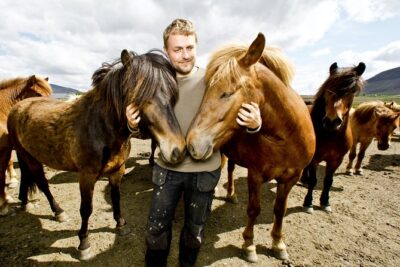
Icelandic Horseback Riding Tour Including Pick Up from Reykjavik
Read our review →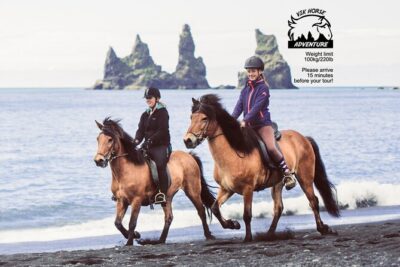
Viking Horse Riding and Golden Circle Tour from Reykjavik
Read our review →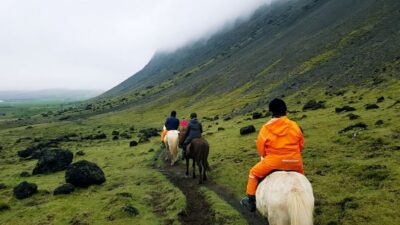
Reykjadalur (Hotspring Valley) Horse Riding Tour
Read our review →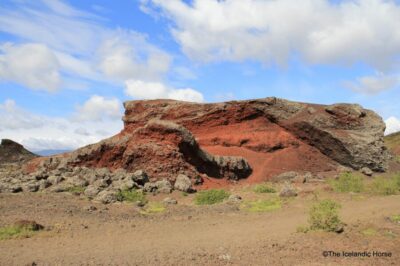
Browse the lists this tour appears in