
Reviewed · VOLCANO & LAVA TOURS
Kerið Volcanic Crater Admission Ticket
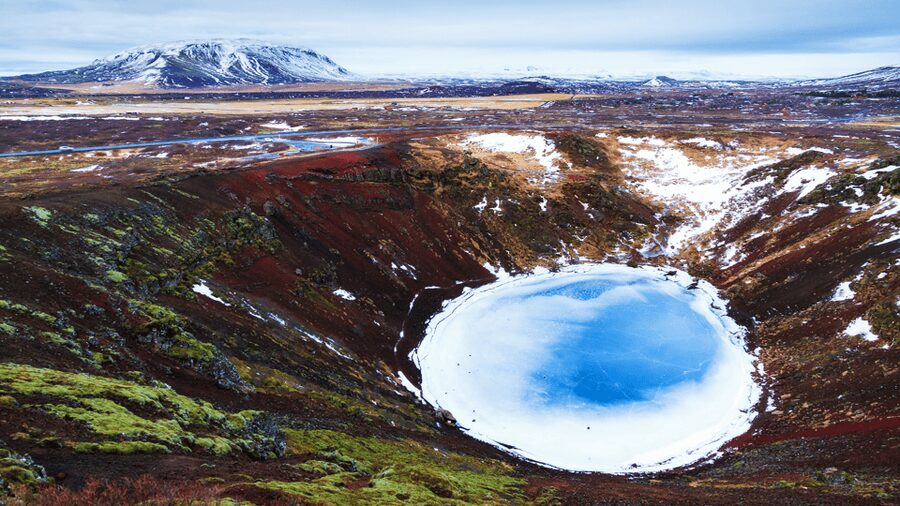
Kerið is one of the easiest ways to get close to Iceland’s volcanic past. A short walk brings you to a red-rock caldera, a vivid turquoise lake, and wide views across the southern Icelandic countryside. The color contrast is the real show.
I like the simple setup: free parking and a low $5 entry fee make this an easy add-on to a Golden Circle drive. I also like that you can choose your own pace, from a quick photo stop at the rim to a slower walk down toward the water.
The main consideration is that Kerið is a self-guided attraction, not a full tour with transport or a guide. You need to reach it on your own, and the site is open during daylight hours, so a very early or late visit may not work.
Key points
- A 6,500-year-old volcanic caldera: Kerið formed when an erupted cone collapsed into its emptied magma chamber.
- Turquoise crater lake: The shallow water gets its striking color from minerals in the surrounding soil.
- Red volcanic rock: The caldera walls have a distinctive red tone that contrasts sharply with the green moss and blue-green water.
- Easy Golden Circle stop: You can reach the site by car and use the free parking area.
- Short, flexible visit: Walk the rim, go down the sloping wall, or simply stop for photographs.
- Useful low-cost add-on: Admission is $5 per person, with free cancellation up to 24 hours before the planned visit.
Kerið’s red caldera and turquoise water
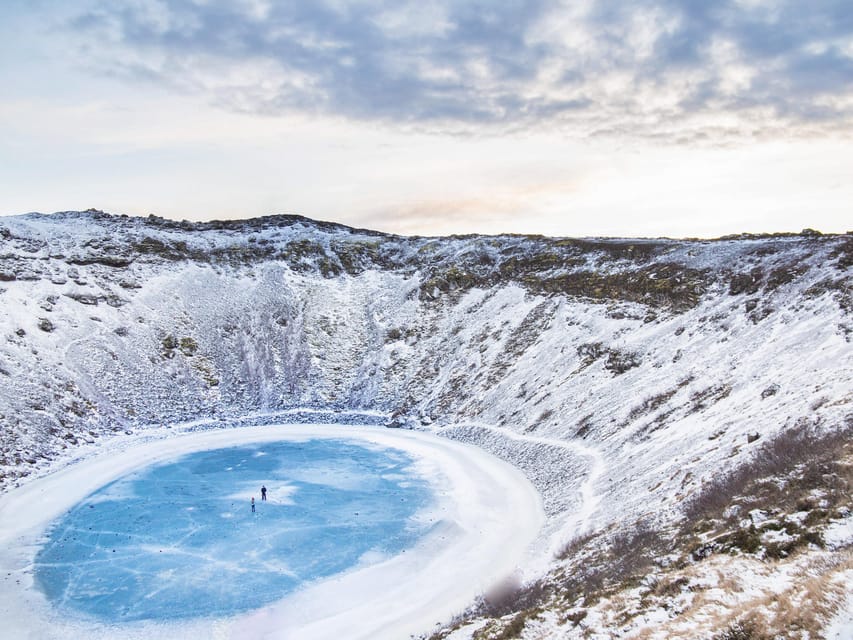
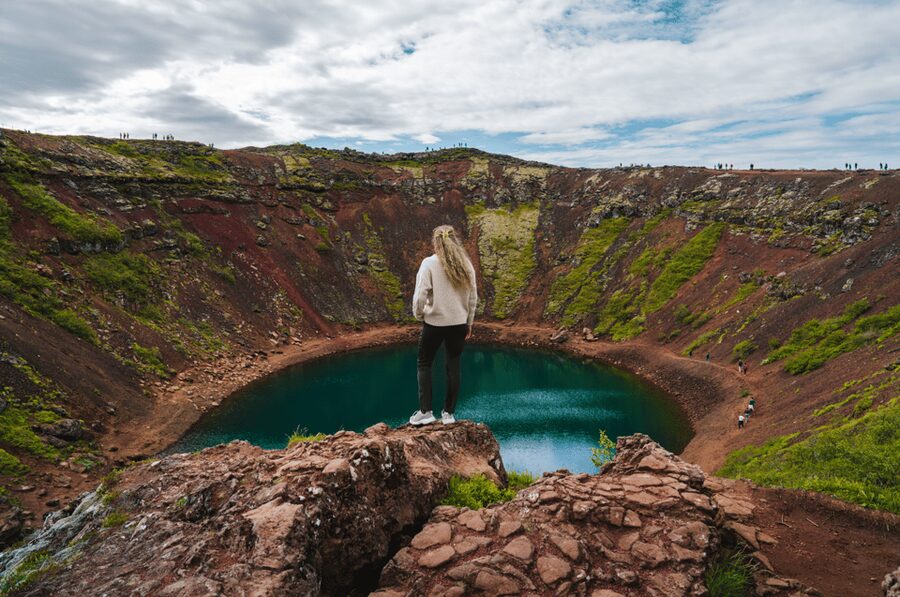
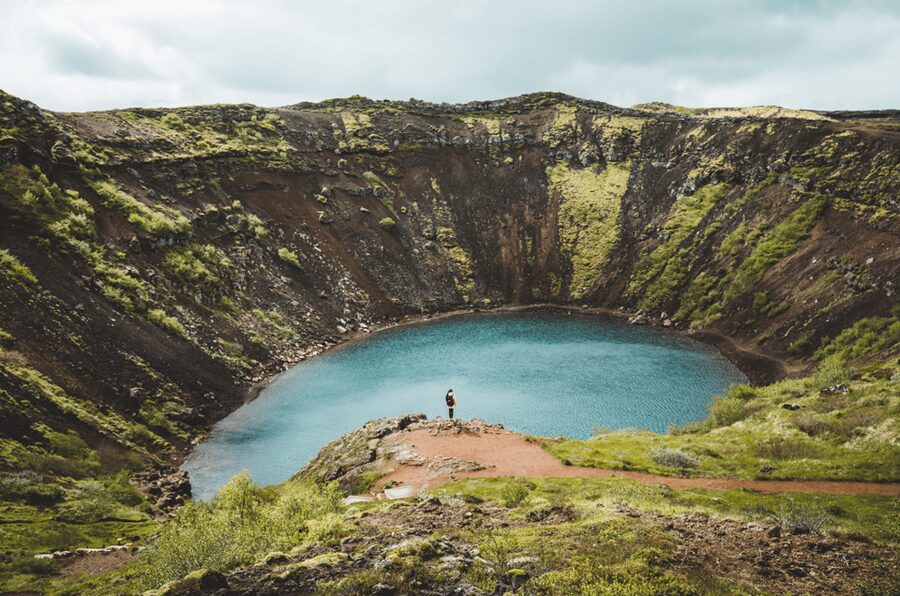
The first thing you notice at Kerið is the bowl itself. The crater is about 55 meters deep, 170 meters wide, and 270 meters across. Those numbers help explain why the site feels more substantial than a quick roadside photo stop, even though you do not need a long hike to see it.
The walls are made from unusual red volcanic rock. Moss covers parts of the sloping sides, adding a deep green layer around the caldera. At the bottom, the shallow lake looks aquamarine or turquoise, depending on the light and weather.
I like Kerið because it gives you several colors at once without requiring a difficult walk. Red stone, green moss, and blue-green water make strong photographs, but the view is also worth putting the camera down for. The crater has a clean, simple shape that is easy to understand at a glance.
The water is not simply a pool filled by rain. It sits at the same level as the local water table. Minerals in the soil help create the unusual color, so the lake is part of the crater’s geology rather than a separate feature added later.
More craters and lava fields near Iceland:
- Reykjavik: Golden Circle Full-Day Tour with Kerid Crater
★ 4.8 · 24,485 reviews - From Reykjavik: Golden Circle, Kerid, & Secret Lagoon Tour
★ 4.8 · 6,009 reviews - Small-Group Golden Circle, Blue Lagoon with Ticket & Kerid Crater
★ 5.0 · 5,631 reviews
What happened here 6,500 years ago
Kerið belongs to the Western Volcanic Zone, a volcanic area that also includes the Reykjanes peninsula and Langjökull Glacier. It sits at the northern end of a row of craters called Tjarnarhólar.
The crater was not made by a giant explosion. Instead, a cone volcano erupted and emptied its supply of magma. Once the underground chamber was empty, the weight of the cone caused it to collapse inward. That collapse created the caldera you see today.
This detail changes how you read the site. You are not looking at a simple hole blasted into the ground. You are looking at the remains of a volcanic cone that lost its internal support. The red rock and bowl-shaped walls make that process easier to picture.
You do not need a guide or a geology lesson to enjoy Kerið, but knowing the basic story adds purpose to the walk. The view becomes more than a colorful lake. You can look at the walls and imagine the former cone folding down into its own empty chamber.
Walking the rim for the best broad view
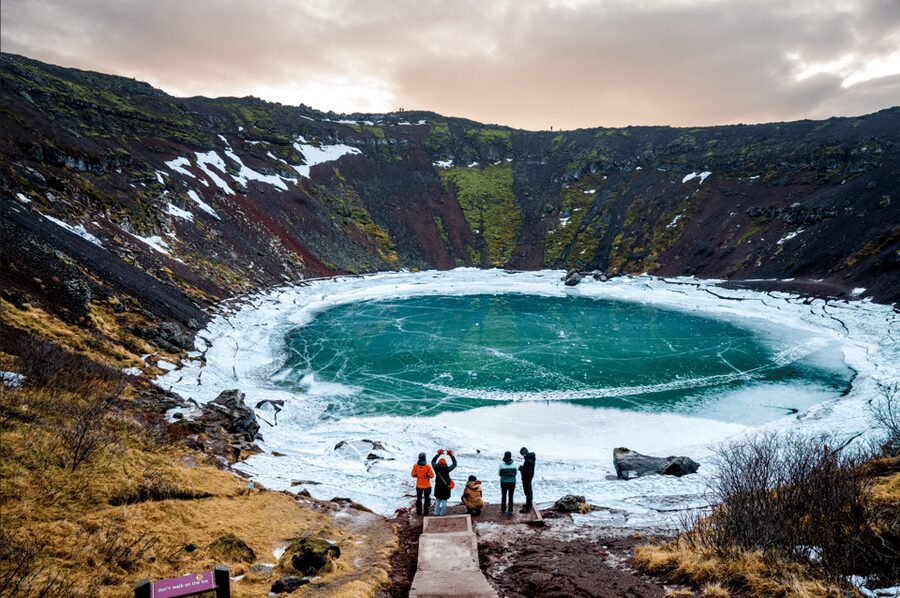
Most people begin at the upper edge, where the crater opens up below them. From here, you can see the full shape of the caldera and the lake at its center. This is the best place to get your bearings before choosing how much walking you want to do.
The rim trail gives you broad views over Kerið and the surrounding area. It is also the most useful part of the visit if you have limited time. You can make photographs from above, study the red rock, and continue along the edge without committing to the descent.
I would allow enough time to walk at least part of the rim rather than stopping at the first viewpoint. The crater changes shape as you move around it, and the lake sits differently against the walls from each angle.
The walk is self-guided, so you decide how long to stay. This suits independent visitors who do not want to wait for a group or follow a fixed schedule. It also means you should pay attention to the ground and choose your route with care, especially in wet or slippery conditions.
Going down the mossy slope
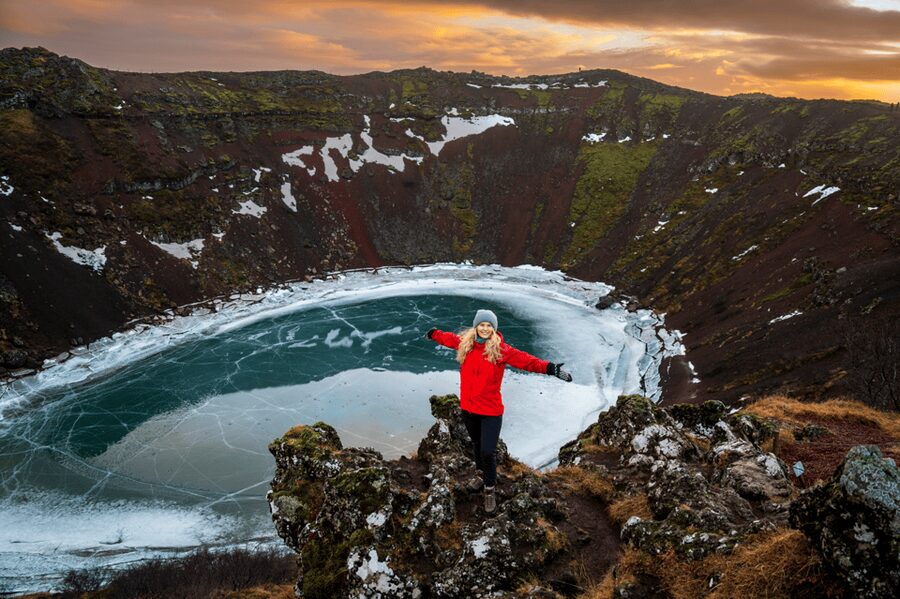
A sloping wall leads down toward the lake. From the lower level, the crater walls rise around you and the water feels closer and more enclosed. This is a different view from the rim, so I would not skip it if your mobility and conditions allow.
The green moss gives the slope a softer appearance, but it is still part of a volcanic site. Move carefully and avoid treating the moss as a surface to step on unnecessarily. The lake is shallow, and the attraction is for viewing rather than swimming.
The descent is one reason Kerið feels more engaging than a single overlook. You get to see the crater from above, beside it, and closer to the water. At the same time, the walk is short enough to fit into a busy Golden Circle day.
The available information identifies the site as wheelchair accessible, which makes Kerið a useful option for visitors seeking an accessible Iceland stop. The exact ease of every section can depend on conditions, so you may prefer to enjoy the rim and upper viewpoints if the lower slope is not suitable for you.
A few more things to do in Iceland worth a look
- Reykjavik: FlyOver Iceland Entry Ticket
★ 4.7 · 3,499 reviews - Reykjavik: LAVA SHOW – Immersive Experience Entry Ticket
★ 4.8 · 3,360 reviews - Lava Show Reykjavik Admission Ticket – Optional Premium Upgrade
★ 5.0 · 3,278 reviews - Reykjavik: Perlan Museum Wonders of Iceland Entrance Ticket
★ 4.7 · 2,575 reviews
Fitting Kerið into a Golden Circle day
Kerið is designed for a stop rather than a full-day outing. Its location in southern Iceland makes it a natural addition to a Golden Circle route, especially if you are driving between other major sights.
There is free parking, which keeps the visit simple. You do not need to arrange a separate transfer for this ticket, and the experience does not include transport. You reach the crater by car, park, pay admission, and explore on your own.
That flexibility is valuable on a self-drive day. If the weather turns poor, you can keep the stop brief. If the light is good, you can walk the rim and slope for longer. You are not tied to a guide’s departure time.
The drawback is that Kerið works best as one part of a larger plan. The ticket does not provide a full route around southern Iceland, a narrated drive, or a dedicated guide. If you want someone to explain the geology as you go, you will need another arrangement.
The crater is open during daylight hours. That matters in Iceland, where daylight can be limited in winter. Plan your visit around the available light rather than assuming you can arrive at any hour.
When the $5 admission feels worthwhile
At $5 per person, Kerið is a modest expense for a well-known natural stop. The price does not buy a long guided program, but it does give you access to a distinct volcanic formation with a short walking route and strong photo opportunities.
I see the value in the combination of low cost and low time commitment. You can add Kerið to a driving day without paying for a large excursion or setting aside several hours. For couples, families, and small groups, the total cost remains easy to manage.
The value is less clear if you are only looking for a roadside photograph and have no interest in walking. You can see the main feature quickly, but the admission is for entering and exploring the crater area. If you are already rushing between stops, you may not get as much from it.
There is also a practical point about checking access at the entrance. One recent February visit felt confusing because no one appeared to check the ticket. That does not mean admission is unnecessary, but it suggests you should keep your booking available and follow the site’s entry instructions rather than assume the gate is unattended.
What a visit feels like in winter
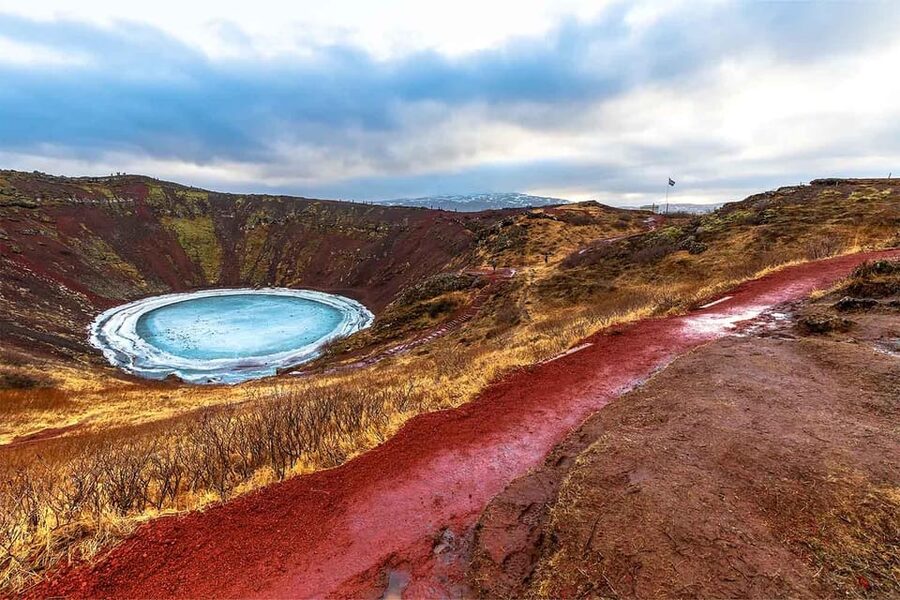
Kerið can be visited in winter during daylight. A January visit at sunrise was described as especially beautiful, and an early arrival by rental car can give you soft light over the crater and fewer people around the viewpoint.
Winter also brings shorter daylight hours and potentially more difficult walking conditions. The supplied information does not promise any particular weather or trail condition, so you should judge the rim and slope when you arrive.
The crater’s colors may look different under low winter light. The red rock can appear darker, while the lake may shift from bright turquoise to a cooler blue-green. If you want photographs, light matters as much here as at any outdoor Iceland stop.
Do not assume winter makes the attraction unavailable. Kerið remains open during daylight hours, but the useful visiting window is narrower than in summer. Check the available time for your chosen date and keep your schedule flexible.
Who will enjoy Kerið most
I would recommend Kerið to you if you want a short, scenic stop with a clear geological story. It works especially well for people driving the Golden Circle, photographers looking for strong color contrasts, and families who prefer a manageable walk instead of a strenuous hike.
It also suits independent visitors. There is no required group, no fixed guided route, and no need to spend a full day here. You can make the visit as brief or as detailed as your schedule allows.
The site may be less satisfying if you expect a guided excursion with transport, interpretation, or a packed itinerary. Arctic Adventures is the experience provider, but this admission is for self-guided exploration. You should not book it expecting a guide to meet you and lead you around.
People with limited mobility can consider it because the site is listed as wheelchair accessible. The upper rim may still be the most practical area for some visitors, while the lower slope may require more care depending on conditions.
Booking, flexibility, and practical details
The ticket is valid for one day, and you can check availability for the available starting times. The experience includes admission, self-guided access, and photo opportunities.
You can cancel up to 24 hours in advance for a full refund. A reserve-now, pay-later option is also available, which can help if your Golden Circle plans depend on weather or road conditions.
There is no guide name to note because the visit is self-guided. The entry experience may involve staff at the site, but the main activity is your own walk around the crater.
The overall rating is 4.5 from 106 ratings, which fits the nature of the attraction: people come for a striking natural formation, simple access, and a low price. The experience is not trying to be a large tour. Its strength is that it gives you a close look at something unusual with very little planning.
Should you book Kerið crater?
Yes, if you are already driving the Golden Circle and want a short stop with strong views, unusual geology, and an easy $5 admission. I especially recommend it if you enjoy photography or want to see Iceland’s volcanic forces in a form you can understand without a long hike.
Book it with realistic expectations. You are paying for access to a natural site, not a guided tour or transport. If daylight, weather, and your route line up, Kerið is a sensible and memorable addition to your day.
FAQ
Where is Kerið crater located?
Kerið is in Iceland’s Southern Region and is an easy stop along the Golden Circle route.
How much does admission to Kerið cost?
Admission costs $5 per person.
How old is Kerið crater?
Kerið was formed about 6,500 years ago.
How deep and wide is the crater?
The caldera is approximately 55 meters deep, 170 meters wide, and 270 meters across.
Why is the crater lake turquoise?
The shallow lake gets its striking color from minerals in the surrounding soil.
Was Kerið formed by a volcanic explosion?
No. A cone volcano erupted and emptied its magma reserve, then the weight of the cone caused it to collapse into the empty magma chamber.
Can I walk down into the crater?
Yes. You can hike down one of the sloping walls toward the lake and walk along the crater rim.
Is parking available at Kerið?
Yes. Free parking is available at the site.
Is Kerið wheelchair accessible?
Yes. The activity information lists Kerið as wheelchair accessible.
Can I cancel my booking for a refund?
Yes. You can cancel up to 24 hours in advance for a full refund.
Just added in Iceland
- Akureyri: Whale Watching Shore Excursions★ 4.6 · 250 reviews
- Reykjavik: Whale and Puffin Watching RIB Boat Tour★ 4.6 · 179 reviews
- Reykjavik: Whale Watching Express★ 4.3 · 227 reviews
- Reykjavik: Whale Watching & Lava Show★ 5.0 · 4 reviews
- Akureyri: Whale Watching Tour & Forest Lagoon Entrance★ 3.8 · 4 reviews
- Volcano Movie – Experience the Latest Eruptions in Iceland★ 3.6 · 3 reviews
- West Glacial River Family Rafting★ 5.0 · 9 reviews
- Reykjavik: Whale & Marine Adventure Tour★ 4.3 · 71 reviews
Volcano & Lava Tours, compared.
Golden Circle Full-Day Tour with Kerid Crater
Read our review →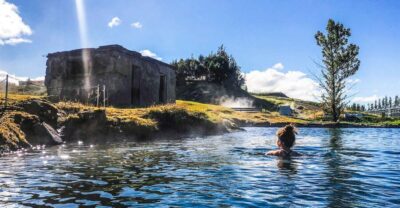
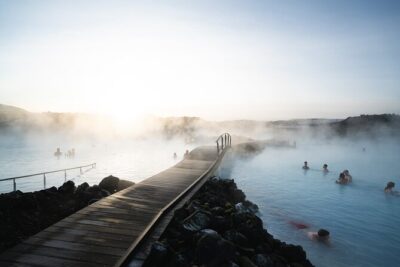
Small-Group Golden Circle, Blue Lagoon with Ticket & Kerid Crater
Read our review →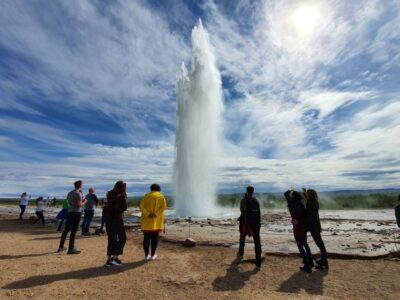
Golden Circle, Kerid Crater, & Blue Lagoon Tour
Read our review →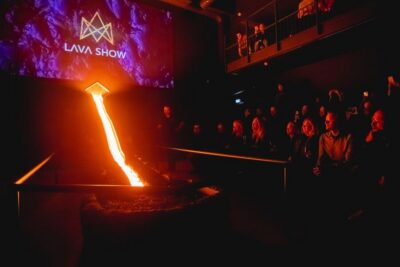
LAVA SHOW – Immersive Experience Entry Ticket
Read our review →
Lava Show Reykjavik Admission Ticket – Optional Premium Upgrade
Read our review →
Golden Circle with Kerid Volcanic Crater Day Tour from Reykjavik
Read our review →
Browse the lists this tour appears in