
Reviewed · BLUE LAGOON & GEOTHERMAL SPAS
Hellisheiði Geothermal Exhibition: Entry and Audio Tour
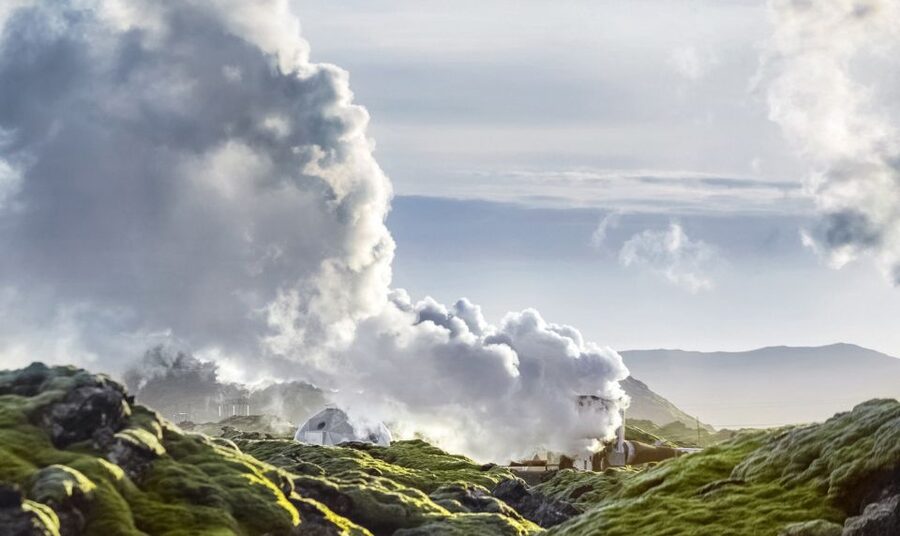
Iceland’s geothermal power story becomes much clearer when you see the machinery, displays, and production process at Hellisheiði Geothermal Exhibition. This is an operating power plant beneath Mount Hengill, surrounded by lava fields, moss, and mountain scenery, and it shows how natural heat becomes electricity and hot water.
I like the self-paced format, which lets you spend real time on the technical displays instead of being hurried along. I also like the interactive exhibits and Carbfix room, where climate solutions are explained in plain terms. The main drawback is simple: this is not a guided plant tour, so anyone hoping for hard hats, safety vests, or access to the heavy equipment itself may feel shortchanged.
Key points before you go
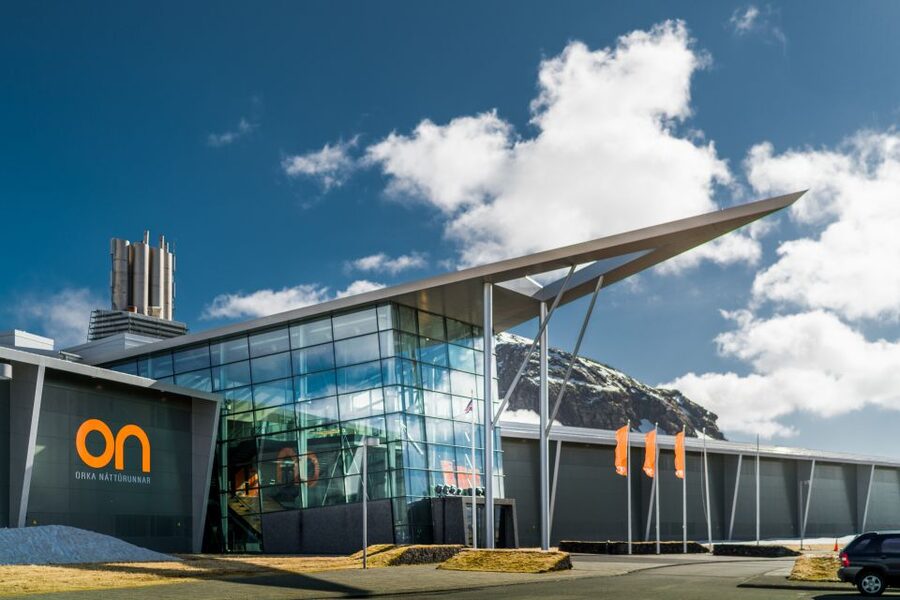
- See an operating geothermal plant: The exhibition explains the real production system at Hellisheiði, not just the general idea of volcanic heat.
- Start at Stop 9: The Production Process section gives you the clearest foundation for understanding the rest of the displays.
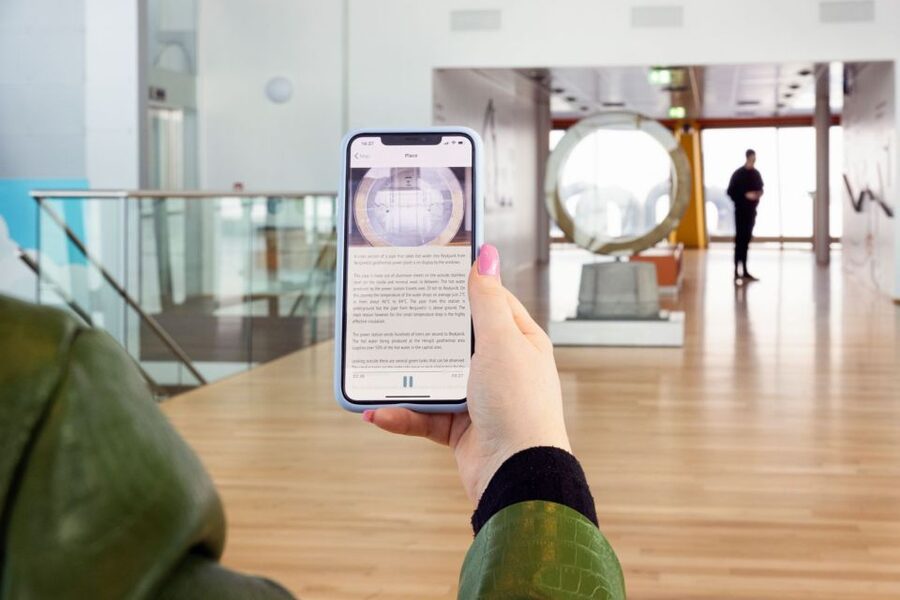
- Bring your own headphones: The audio guide runs on your charged Android or iOS smartphone.
- Plan for about an hour: You can move quickly, but the exhibits reward a slower visit.
- Visit the Carbfix room: This section connects geothermal power with carbon capture and climate research.
- Expect a self-guided visit: Friendly staff can answer questions, but there is no included personal guide.
Why Hellisheiði is worth a stop near Reykjavík
Iceland is famous for volcanoes, hot springs, and steaming ground. Hellisheiði shows what happens when that underground heat is handled on an industrial scale. The plant is described as the largest single-site geothermal power plant on Earth, and the exhibition puts that claim into practical terms through models, films, audio commentary, and interactive displays.
The setting does part of the teaching. The plant sits beneath Mount Hengill, with lava fields, moss, and mountain views around it. You are not visiting a museum sealed away from the subject. The building is tied to the working facility, so the heat and electricity system you are learning about is operating nearby.
I would not make this your only geothermal sight in Iceland. A hot spring gives you the direct sensory thrill of warm water and steam. Hellisheiði gives you the engineering story: how wells, pipes, pressure, heat, and power fit together. For many people, that industrial side is the part they have never understood before.
The exhibition is especially useful if you want more than a quick scenic stop. It turns a familiar Icelandic theme into something you can explain afterward. You leave with a better idea of why geothermal energy matters to Iceland and why the country is often cited in discussions about renewable power.
Other warm-water soaks near Iceland:
- Reykjavik: Sky Lagoon Entrance Pass With 7-Step Spa Ritual
★ 4.8 · 6,166 reviews - From Reykjavik: Golden Circle, Kerid, & Secret Lagoon Tour
★ 4.8 · 6,009 reviews - Small-Group Golden Circle, Blue Lagoon with Ticket & Kerid Crater
★ 5.0 · 5,631 reviews
Entering the exhibition beneath Mount Hengill
You go directly to the entrance of the Geothermal Exhibition at Hellisheiðarvirkjun, 801 Selfoss. It is roughly 20 minutes from Reykjavík, making it a practical addition to a day of sightseeing in the area.
Free parking is included, which keeps the arrival easy if you are driving. The location also gives you a reason to pause and look outside before or after the exhibits. The lava fields and moss around the plant are a sharp reminder that this is a volcanic country, not simply a conventional power facility.
At the entrance, you use your ticket and begin on your own. English and Icelandic are available for both the audio guide and host or greeter support. The exhibition is wheelchair accessible, another reason the indoor format works well for a wide range of visitors.
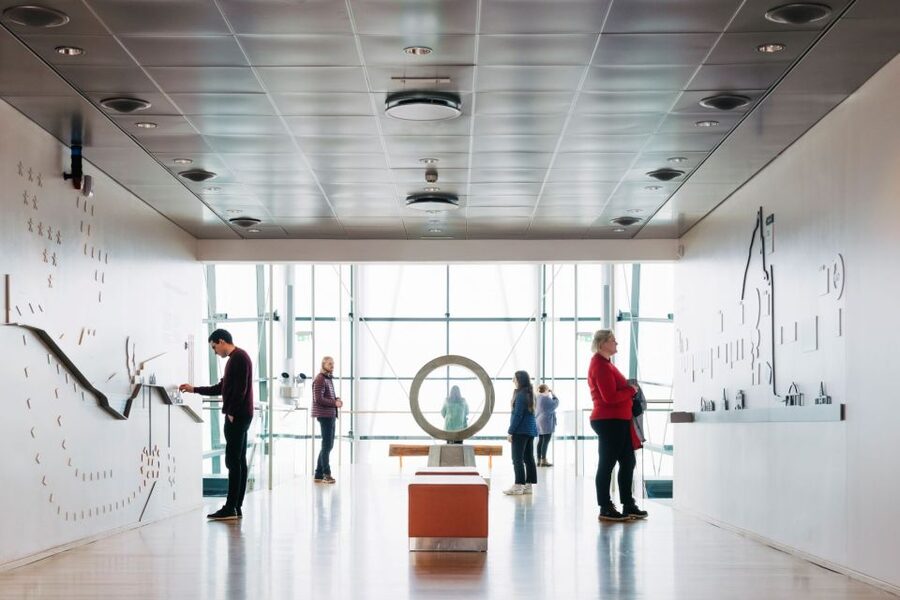
The opening displays introduce Iceland’s geothermal resources and the country’s history of using them. You will want to listen rather than rush through this part. It gives you the basic vocabulary needed for the later sections, especially if terms such as geothermal wells, production, and reinjection are new to you.
Follow the production process first
The most useful practical advice is to begin with Stop 9, Production Process. This section explains how thermal power and hot water are extracted from the earth and converted into useful energy. Once you understand that chain, the rest of the exhibition makes more sense.
The production section is also where the scale of the plant becomes easier to grasp. Geothermal power can sound almost effortless in casual conversation: heat comes from the ground, so Iceland uses it. The reality involves research, drilling, engineering, money, monitoring, and carefully managed industrial equipment.
You will not simply look at a few pipes and guess what they do. The displays and audio commentary break the system into steps. That makes this a strong stop for anyone who likes science, technology, or practical explanations. A science teacher could easily find ideas here to take back to a classroom.
The audio guide helps you connect the physical exhibits to the process. Use the pause and replay functions if your app allows them, especially when a technical point needs a second listen. Since you are not tied to a group, you can stay with a difficult section until it clicks.
Interactive displays, films, and audio commentary

The exhibition mixes audio, films, and hands-on displays rather than relying on wall text alone. That variety matters. A power plant can be visually impressive but hard to understand if all you see is machinery. Interactive sections give you something to do while explaining why the equipment matters.
The films add another layer by showing geothermal energy in motion and giving context to Iceland’s energy choices. The audio guide is informative in English and Icelandic, though the sections may feel somewhat separate rather than forming one smooth story. I recommend using the display numbers and moving in order, with Stop 9 as your anchor if you want the clearest technical route.
This format suits adults and teenagers particularly well. You can decide how much detail to take in, and the subject has enough real-world weight to hold attention beyond a few photographs. Younger children may enjoy pressing buttons and watching films, but they may need your help with the harder ideas.
That is not a flaw unique to this exhibition. Geothermal production is a complex subject, and the displays cannot turn every industrial process into a simple game. If you are visiting with children, plan to explain the basic idea yourself: heat from underground is used to produce energy and hot water, and the plant manages that resource through a large technical system.
A few more things to do in Iceland worth a look
- Reykjavik: Perlan Museum Wonders of Iceland Entrance Ticket
★ 4.7 · 2,575 reviews - Reykjavík: Hop-On Hop-Off Bus and Perlan Museum Entry Ticket
★ 4.3 · 719 reviews - Reykjavik: Whales of Iceland Museum Entrance Ticket
★ 4.4 · 493 reviews - Reykjavík: National Museum of Iceland Entry Ticket
★ 4.4 · 432 reviews
The Carbfix room and Iceland’s climate work
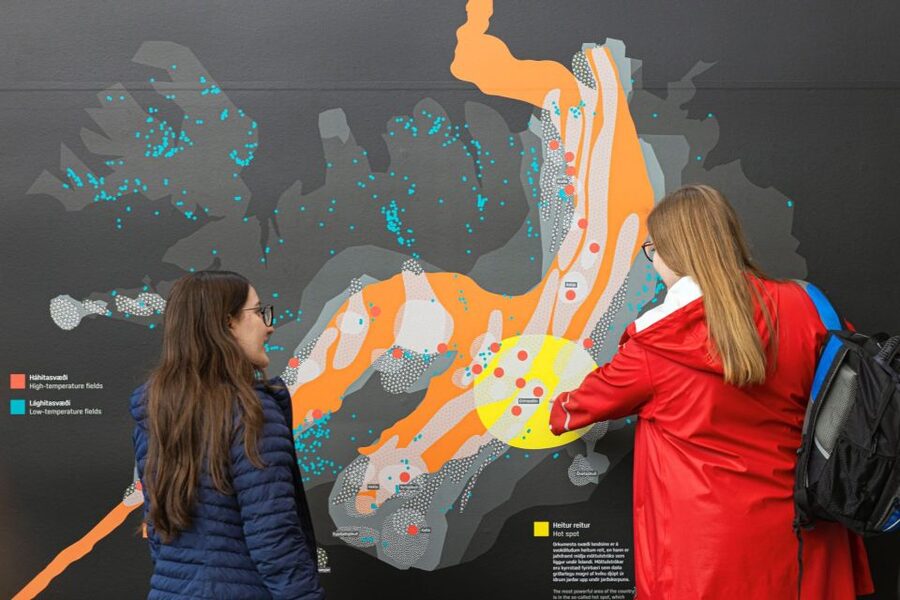
Make time for the Carbfix room. It explains the plant’s partnership with Carbfix, a leading Icelandic approach connected with the climate crisis and global warming.
This section broadens the visit. Without it, you might leave thinking only about electricity and hot water. Carbfix shows that geothermal facilities can also be part of a wider conversation about emissions, carbon management, and how industrial sites respond to climate concerns.
The subject can be more demanding than the introductory exhibits, so listen carefully and give yourself enough time. The value is not in treating the technology as a magic answer. It is in seeing that energy production involves trade-offs, research, and ongoing work.
I appreciate that the exhibition links Iceland’s natural resources with human responsibility. The volcanic setting may look wild and untouched, but the plant is a carefully managed system. That contrast is one of the most interesting ideas you take away from the visit.
Viewing platforms and the setting outside
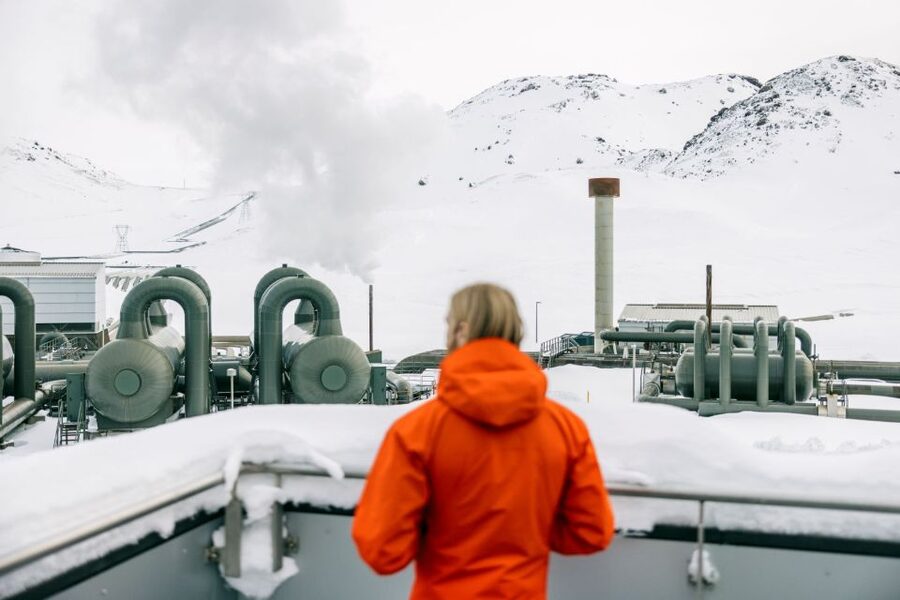
Indoor viewing platforms let you look out toward the surrounding nature during the exhibition. They give your eyes a break from screens and information panels, while also showing the relationship between the power plant and the volcanic country around it.
The views are part of the visit, but they are not a substitute for Iceland’s major outdoor sights. Think of them as useful pauses between sections. The combination of moss, lava, and mountain scenery helps explain why geothermal energy is such a natural subject here.
Bring suitable clothing if you expect to spend time outside the building. The supplied information does not specify outdoor facilities or a separate plant walk, so you should treat the viewing platforms as the main scenic element included with this ticket.
You can also ask the on-site staff questions. Staff members are present to help, even though the tour itself is self-guided. Antonia was specifically praised for answering questions, and that personal help can make a difference when the audio guide leaves you wanting a clearer explanation.
How much time should you allow?
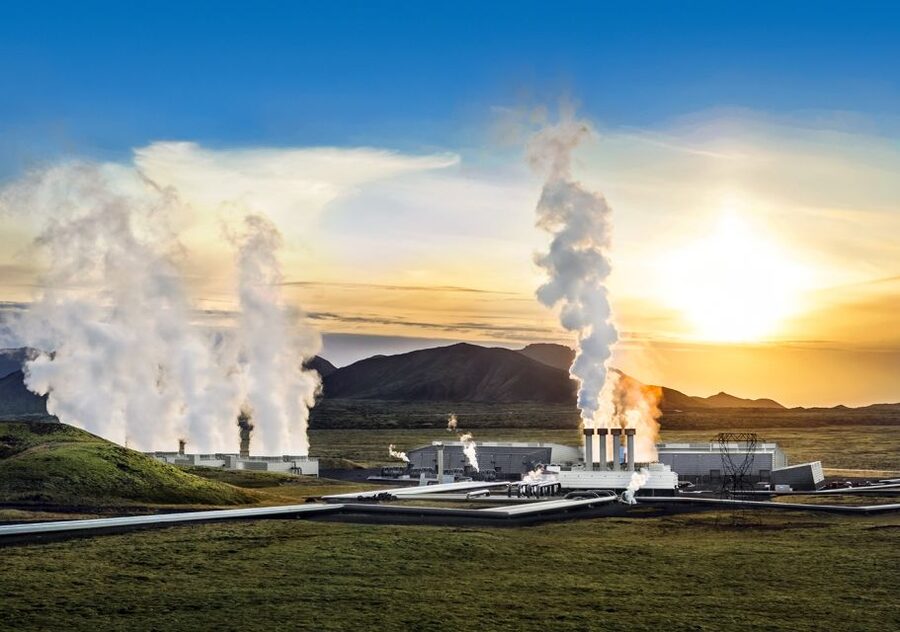
The ticket is valid for one day, and start times are flexible during the opening hours. You may stay as long as you like after entering. In practice, I would allow about an hour at minimum, then add time if you enjoy technical exhibits or want to listen to every audio section.
The opening hours are:
- November 1 through March 31: 9 AM to 4 PM
- April 1 through October 31: 9 AM to 5 PM
The flexible timing is handy when you are fitting Hellisheiði into a driving day. You are not locked into a timed group departure, and there is no pressure to finish at the same moment as other people.
Still, avoid arriving just before closing. A rushed visit would reduce the exhibition to a few glances, especially if you want to understand Stop 9 and the Carbfix room. Check the seasonal hours before setting out, since the winter closing time is earlier.
The audio guide and what to bring
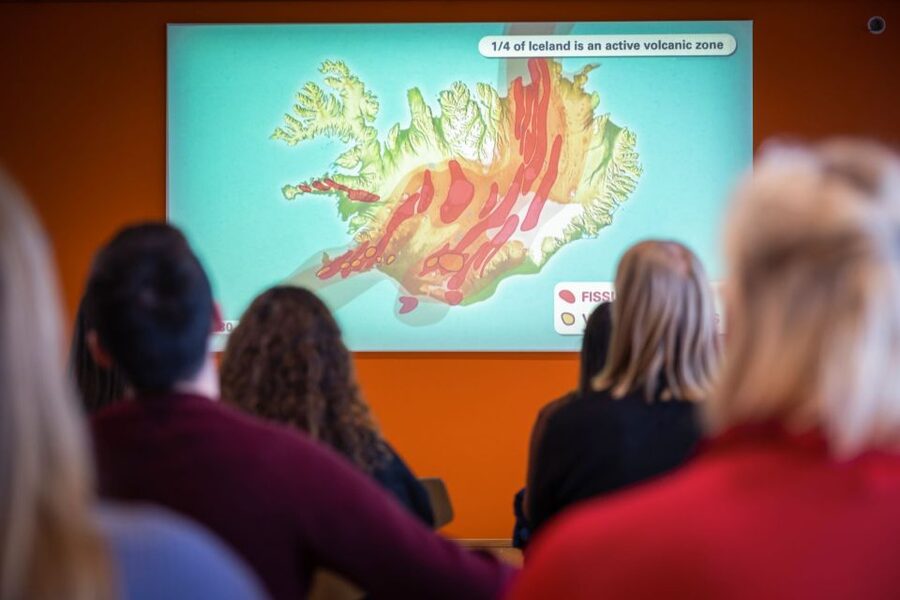
The audio guide is included in English and Icelandic, but you need a charged Android or iOS smartphone and your own headphones. Pack both. A low battery or forgotten headphones could turn the visit into a much more text-heavy experience.
This is not a live guided tour, so the audio commentary has an important job. It provides structure and explains the displays while allowing you to move at your own speed. You can stop, replay, or skip sections instead of waiting for a group.
The self-guided approach is ideal if you dislike fixed schedules. It is less ideal if you learn best by asking constant questions or want an employee to walk you through the entire plant. Staff are available for questions, but the main presentation remains app-based.
Do not expect access inside the working plant itself. The exhibition lets you learn about the facility and view the material from designated areas. It does not include a hard hat, safety vest, or short employee-led tour of the heavy equipment.
Is the $21 price good value?
At $21 per person, the ticket is reasonably priced for a substantial indoor attraction near Reykjavík. You are paying for entry, the audio tour, interactive exhibits, films, viewing platforms, and free parking. Food and drinks are not included, though they are available to purchase on-site.
The value depends on your interests. If you are curious about energy, engineering, environmental policy, or Iceland’s use of natural resources, the price is easy to justify. You can spend an hour or longer learning something specific, rather than simply stopping for a photograph.
If your main goal is dramatic scenery, the ticket may feel less worthwhile. The outdoor views are pleasant, but this is an education-focused visit. You are paying for understanding the process, not for a major mountain attraction or a guided adventure.
I also see good value for families with teenagers and for anyone who wants a weather-proof activity. The interactive setup gives you more to do than a standard display room, and the flexible length means you can shorten the visit if attention fades.
Who should book this experience?
I would choose Hellisheiði if you want to understand how Iceland turns geothermal heat into a practical energy source. It is a good match for science and technology fans, teachers, students, families with older children, and anyone already planning to drive near Reykjavík or Selfoss.
It also works well for visitors who prefer independent sightseeing. You control the order, pace, and amount of detail. You can move quickly through familiar material or spend extra time on the production process and Carbfix.
I would think twice if you strongly prefer a personal guide. The lack of a guided plant walk was the clearest limitation. You will not get the hard-hat experience or close equipment access that some people imagine when they hear operating power plant.
Should you book Hellisheiði Geothermal Exhibition?
Book it if you want a clear, practical explanation of Iceland’s geothermal system, especially if you enjoy interactive science exhibits and have a car. Start with Stop 9, bring headphones and a charged phone, and allow about an hour or more.
Skip it if your schedule is already packed with outdoor sights and you have little interest in energy or engineering. For the right visitor, though, this is a smart stop: affordable, flexible, accessible, and genuinely educational without requiring a full-day commitment.
FAQ
Where is Hellisheiði Geothermal Exhibition located?
It is at Hellisheiðarvirkjun, 801 Selfoss, Iceland, roughly 20 minutes outside Reykjavík.
How much does admission cost?
Admission costs $21 per person.
How long does the visit take?
The ticket is valid for one day, and you may stay as long as you like after entering. Allow about an hour for a useful visit, with extra time if you want to hear all the commentary and study the displays.
Is the tour guided?
No. The visit is self-guided with an audio tour. On-site staff are available to answer questions.
What languages are available?
The audio guide is available in English and Icelandic. Host or greeter support is also available in English and Icelandic.
Do I need to bring anything?
Bring headphones and a charged Android or iOS smartphone to use the audio guide.
Is parking available?
Yes. Free parking is included.
Is the exhibition wheelchair accessible?
Yes, the exhibition is wheelchair accessible.
What are the opening hours?
From November 1 through March 31, it is open from 9 AM to 4 PM. From April 1 through October 31, it is open from 9 AM to 5 PM.
Just added in Iceland
- 2-Day South Coast, Blue Ice Cave, Glacier Lagoon Tour★ 5.0 · 4 reviews
- From Akureyri: Northern Lights Tour★ 4.1 · 42 reviews
- Reykjavik International Airport Private Arrival Transfer★ 4.5 · 195 reviews
- From Grundarfjordur: Snaefellsnes Peninsula Half-Day Tour★ 4.2 · 49 reviews
- Midnight Sun ATV Adventure from Reykjavik★ 5.0 · 112 reviews
- From Reykjavik: Katla Ice Cave and South Coast Day Tour★ 4.8 · 187 reviews
- 8-Day Iceland Ring Road Tour: Reykjavik, Akureyri, Golden Circle & South Coast★ 4.5 · 81 reviews
- From Akureyri Port: Goðafoss Waterfall & Forest Lagoon Tour★ 4.7 · 79 reviews
Blue Lagoon & Geothermal Spas, compared.
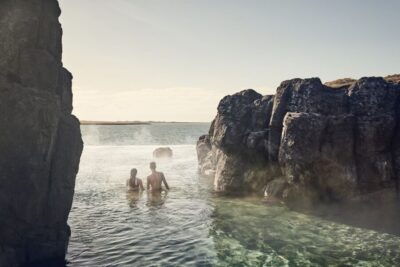
Sky Lagoon Entrance Pass With 7-Step Spa Ritual
Read our review →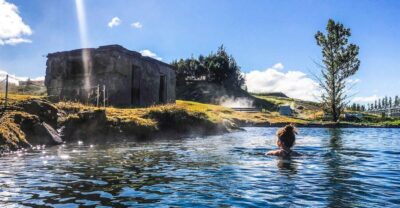
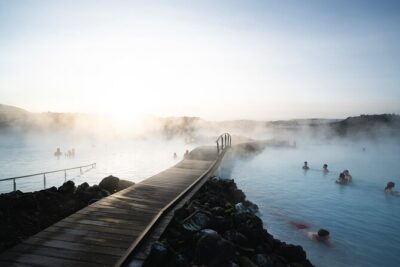
Small-Group Golden Circle, Blue Lagoon with Ticket & Kerid Crater
Read our review →
Blue Lagoon: Admission Package with Drink, Towel, and Mask
Read our review →
Golden Circle, Kerid Crater, & Blue Lagoon Tour
Read our review →

Sky Lagoon Entrance Ticket Including 7-Step Ritual
Read our review →Browse the lists this tour appears in